

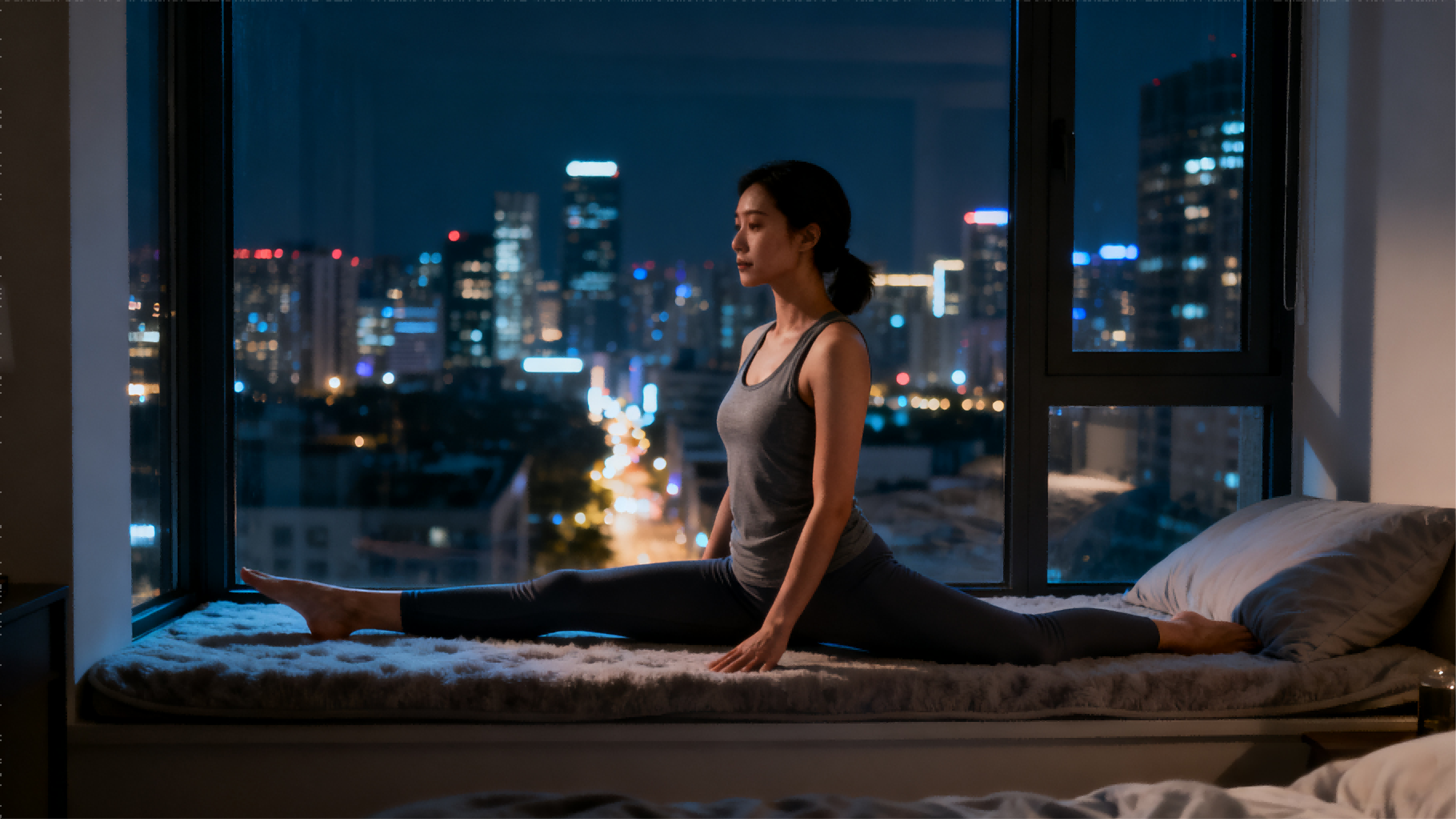
As Insomnia Becomes a Global Epidemic, Pilates Emerges as a New Method for Deep Sleep Training
Over the past decade, global insomnia rates have surged. Millions struggle with sleep due to stress, screen exposure, emotional overload, and the physical toll of long-term sitting. Researchers are now identifying Pilates as one of the most effective methods for improving sleep quality—particularly for individuals who experience tension, anxiety, shallow breathing, or difficulty relaxing before bedtime.
- Physical tension is a primary cause of modern insomnia
While psychological stress contributes to sleeplessness, physical tightness is often an overlooked but fundamental cause:
Limited thoracic mobility → shallow breathing
Tight hip flexors → chronic core tension
Stiff shoulders/neck → increased sympathetic activation
Restricted fascia → inability to physically relax
Pilates resolves these root causes through controlled movement, breath coordination, and deep muscular release—creating the conditions required for restorative sleep.
- Pilates lateral breathing plays a central role in sleep improvement
Deep sleep requires activation of the parasympathetic nervous system. Pilates’ signature lateral thoracic breathing has been shown to:
Expand the rib cage and deepen respiration
Stimulate the vagus nerve and lower heart rate
Shift the brain from “alert mode” to “recovery mode”
Reduce muscle tension and cortisol
This is why sleep therapists increasingly include Pilates breathing techniques in nighttime routines.
- Pilates movement teaches the body how to “release” tension
The design of Pilates exercises naturally supports sleep improvement:
Gentle core activation enhances spinal support and reduces nocturnal discomfort
Thoracic mobility training calms the nervous system
Hip and posterior-chain stretching induces rapid physical relaxation
Fascia mobility work reduces stiffness and overall body load
Once the body exits its habitual defensive posture, falling asleep becomes easier.
- Sleep-deprived individuals are turning Pilates into a nightly ritual
Many office workers, postpartum women, and cognitive-intensive professionals are integrating “evening Pilates routines” into their lifestyle:
10 minutes can improve HRV
15 minutes of thoracic stretching reduces sleep latency
20 minutes of gentle Pilates can bring the body into “shutdown mode”
Pilates is no longer just exercise—it is a modern sleep-regulation tool.
- Pilates is becoming a rising trend in the global sleep industry
International wellness organizations are studying Pilates as part of sleep recovery systems. Future developments may include:
Sleep clinics integrating Pilates sessions
Online “sleep-focused Pilates classes”
Specialized Pilates-based protocols for insomnia
Smart devices pairing breath analysis with Pilates routines
In the era of widespread sleep disorders, Pilates may be one of the most sustainable tools for restoring deep, natural rest.