

In an Era of Emotional Burnout, Pilates Is Becoming a Global Tool for Stress Regulation
Today’s world operates at an unprecedented pace. Urban workers face constant turbulence—competitive workplaces, digital fatigue, prolonged sitting, and pressure from multiple roles. Emotional exhaustion is rising globally, and traditional fitness approaches no longer fully address the psychological dimension of stress. Amid this shift, Pilates is emerging as a highly effective system for nervous system regulation and emotional recovery.
- Traditional exercise alone cannot address modern emotional stress
High-intensity workouts release tension temporarily, but they do little to rebuild the nervous system or restore emotional balance. People under chronic stress need:
Low-impact exercise with high sustainability
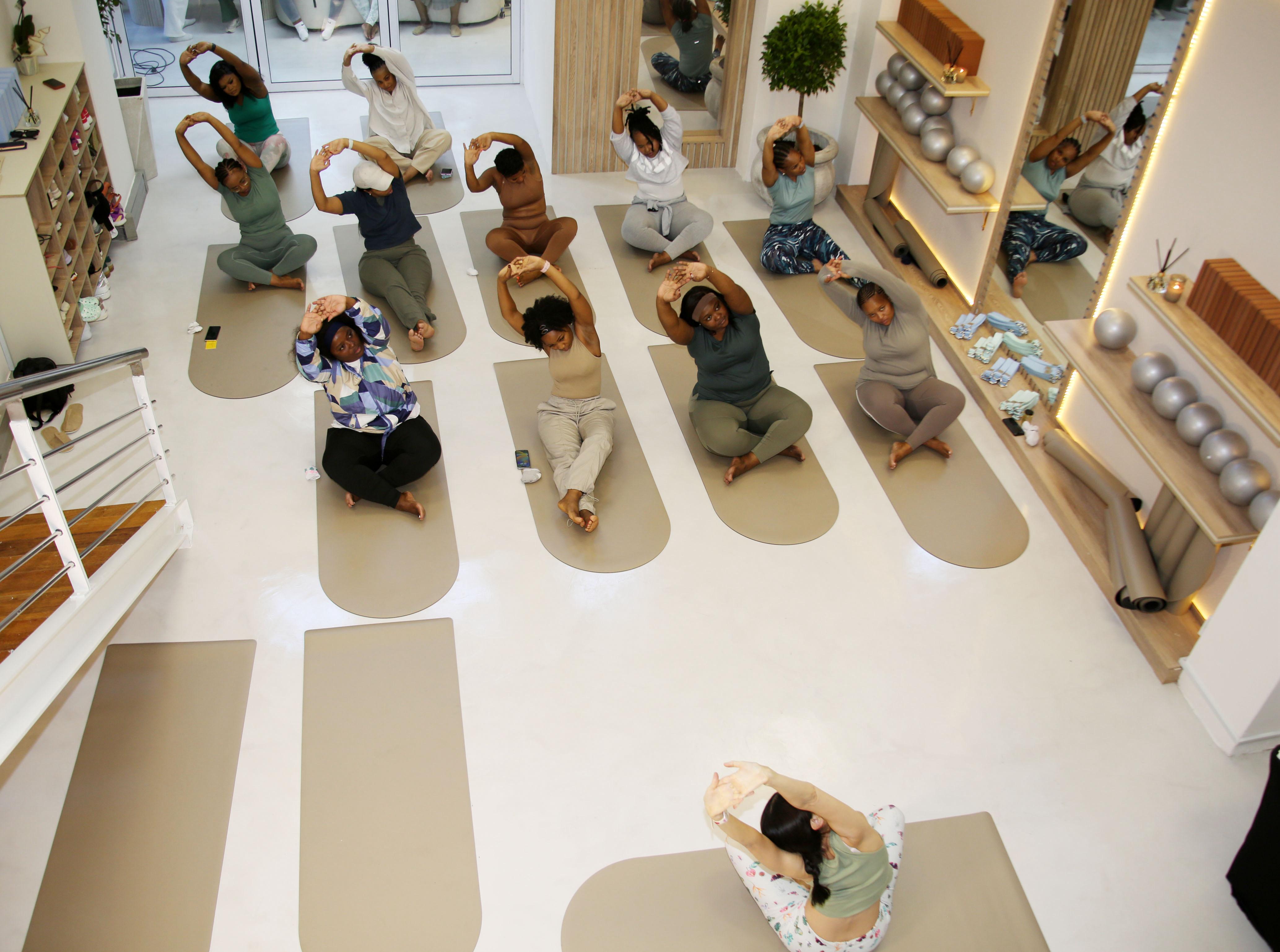
Breath-based practices that activate the parasympathetic nervous system
Deep stretching that reduces tension in the fascia and muscular chains
Pilates naturally integrates these elements, offering a physical training system with psychological benefits.
- Pilates is expanding from posture training to stress modulation
Over the past decade, the emotional benefits of Pilates have been increasingly recognized:
Breathing reduces cortisol levels
Lateral thoracic breathing stimulates the vagus nerve and improves emotional stability.
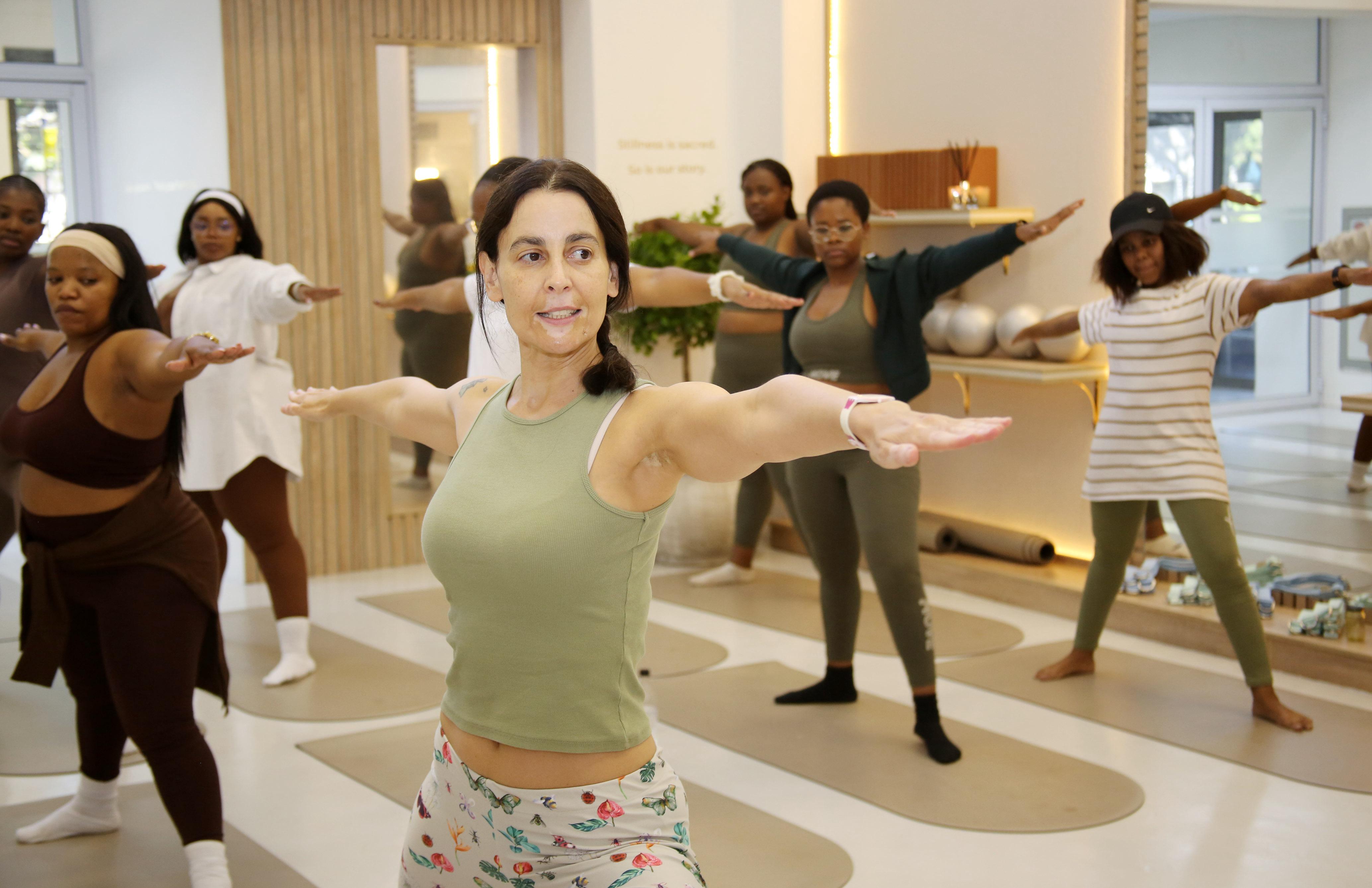
Slow, controlled movement increases mindfulness
The focus required during Pilates sessions generates a meditative, calming effect.
Fascia release improves emotional fluidity
Fascia tension is closely linked to emotional rigidity; releasing it supports psychological recovery.
As a result, therapists, wellness coaches, and rehabilitation practitioners frequently integrate Pilates into emotional wellness programs.
- Office workers are turning to Pilates as a stress-recovery necessity
The global sedentary crisis affects not only physical posture but also mental energy, attention span, and sleep quality. Pilates offers measurable improvements for office workers:
Better breathing → enhanced cognitive function
Thoracic mobility → less emotional compression
Core activation → improved posture and reduced fatigue
Gentle but deep movements → no additional stress load
Companies worldwide are now incorporating Pilates-based stress programs into corporate wellness initiatives.
- Pilates is entering the global mental-wellness ecosystem
In Western countries, Pilates is now recognized as a core method within mind-body wellness frameworks, alongside meditation and breathwork.
Emerging trends include:
Pilates programs designed for emotional resilience
Hybrid sessions combining mindfulness and Pilates
Pilates-based sleep-improvement interventions
Breathing-centered recovery systems for stress reduction
Pilates is evolving from a physical training system to a key contributor to emotional and psychological well-being.