

Pilates Pregnancy Aesthetic Training: Safe Shaping + Posture Management, Safeguarding Elegant Pregnancy State
In 2025, Pilates launched the "Pregnancy Aesthetic Training" service for pregnant women, breaking the traditional concept that "only rest is allowed during pregnancy". Through "safe and adaptive movements + pregnancy posture management", it helps pregnant women maintain body lines and improve pregnancy posture problems under the premise of ensuring maternal and child safety. The number of registrations for related courses has increased by 240% year-on-year, becoming the core choice for pregnancy health and aesthetic consumption.
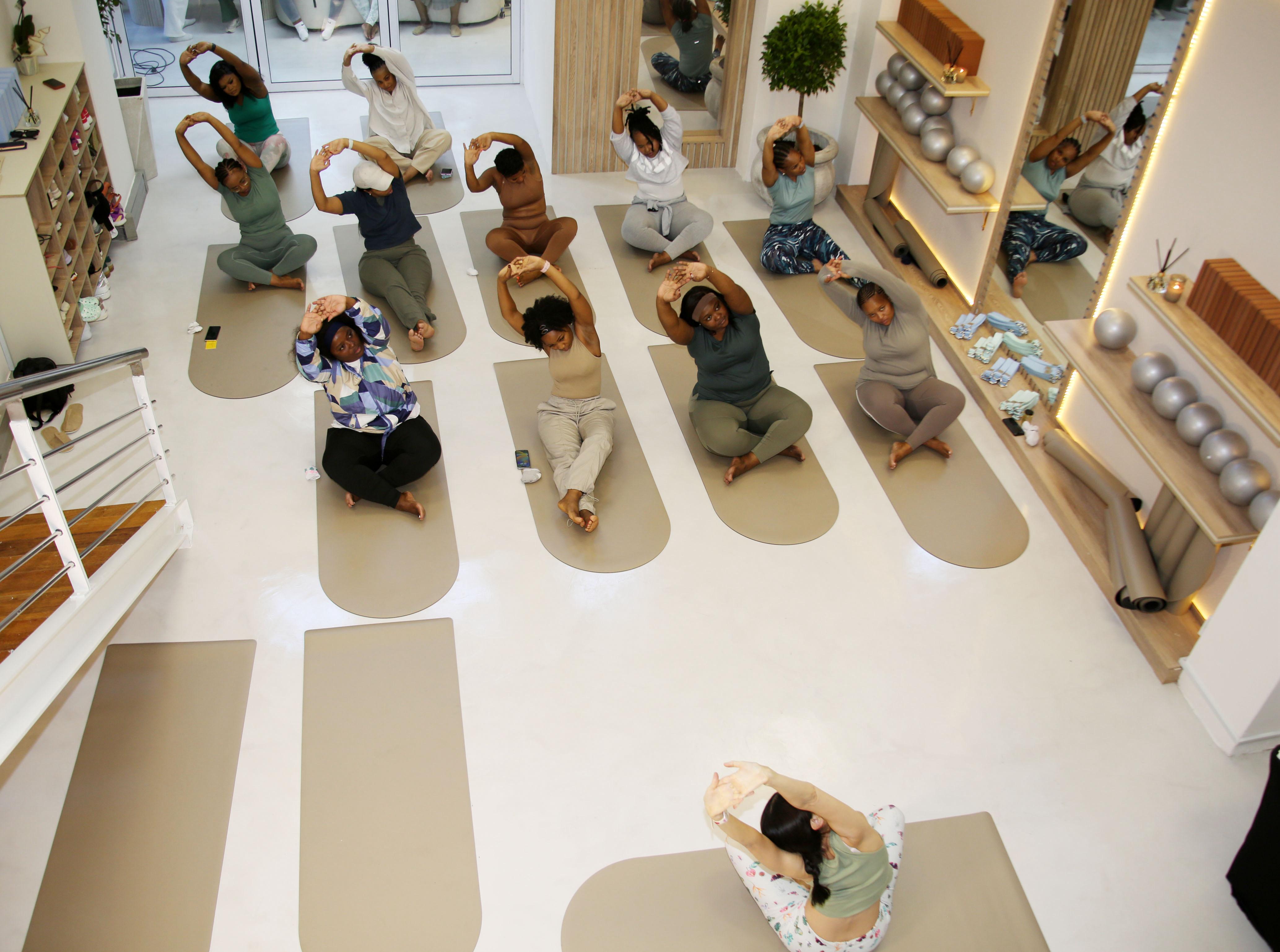
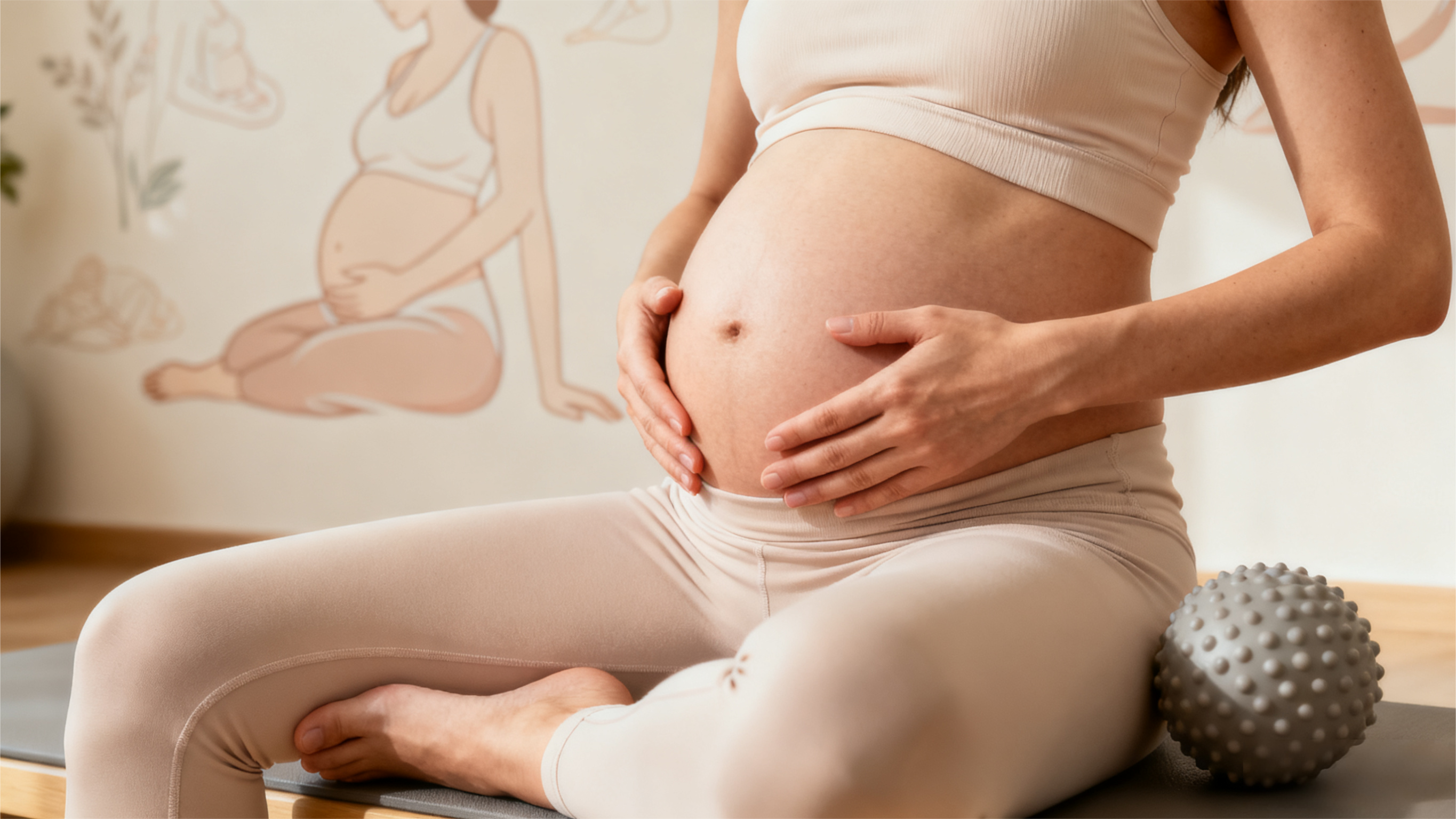
Training design focuses on the "balance between pregnancy safety and aesthetic needs": first, "phased safe movement design". Courses are customized according to the physiological characteristics of the first trimester (1-3 months), second trimester (4-6 months), and third trimester (7-9 months). The first trimester focuses on "breathing regulation + pelvic floor muscle activation", such as "abdominal breathing training" (coordinating with gentle hand-lifting movements to enhance cardiopulmonary function); the second trimester adds "core stability training", such as "sitting pelvic floor muscle contraction" (sitting on a non-slip mat, slowly contracting the pelvic floor muscles to prevent pregnancy-induced urinary incontinence while maintaining core strength); the third trimester focuses on "childbirth preparation + posture correction", designing "wall half-squats" (reducing waist pressure, improving pelvic anteversion in the third trimester) and "side-lying leg lifts" (strengthening lower limb strength to reserve physical strength for childbirth). All movements avoid abdominal compression and are guided by professional perinatal coaches; second, "pregnancy posture aesthetic management". Aiming at common pregnancy problems such as rounded shoulders, lumbar lordosis, and lower limb edema, carry out "standing spinal extension" (crossing hands and lifting up, slowly stretching the spine to improve rounded shoulders) and "ankle rotation training" (rotating ankles in a sitting position to promote lower limb circulation and relieve edema), helping pregnant women maintain an upright posture and avoid pregnancy-induced posture distortion; third, "pregnancy aesthetic psychological counseling". The course integrates a "pregnancy aesthetic sharing" session, inviting mothers who have given birth to share pregnancy dressing skills (such as "choosing high-waisted belly-supporting sportswear for a neat look") and pregnancy photo poses (such as "side-sitting belly-holding pose to highlight the beauty of pregnancy curves"), alleviating pregnant women's anxiety about body changes.
Market feedback shows that 92% of pregnant women participating in the training reported that "their pregnancy posture is more upright and physical discomfort is reduced", and 85% said that "they are more confident in facing pregnancy body changes". At present, 40% of high-end maternal and child hospitals in China have introduced this service. It is expected that the market size of Pilates pregnancy aesthetic training will exceed 2 billion yuan in 2026, and in the future, "postpartum-pregnancy aesthetic connection courses" will be launched to realize the closed loop of posture management from pregnancy to postpartum.