

Pilates and Emotional Balance
In today’s fast-paced world, many people experience stress, anxiety, or emotional fatigue. The body often reflects these emotions through tight shoulders, shallow breathing, and elevated heart rates. Pilates offers a scientifically grounded approach to emotional balance, combining breath, core engagement, and body awareness.
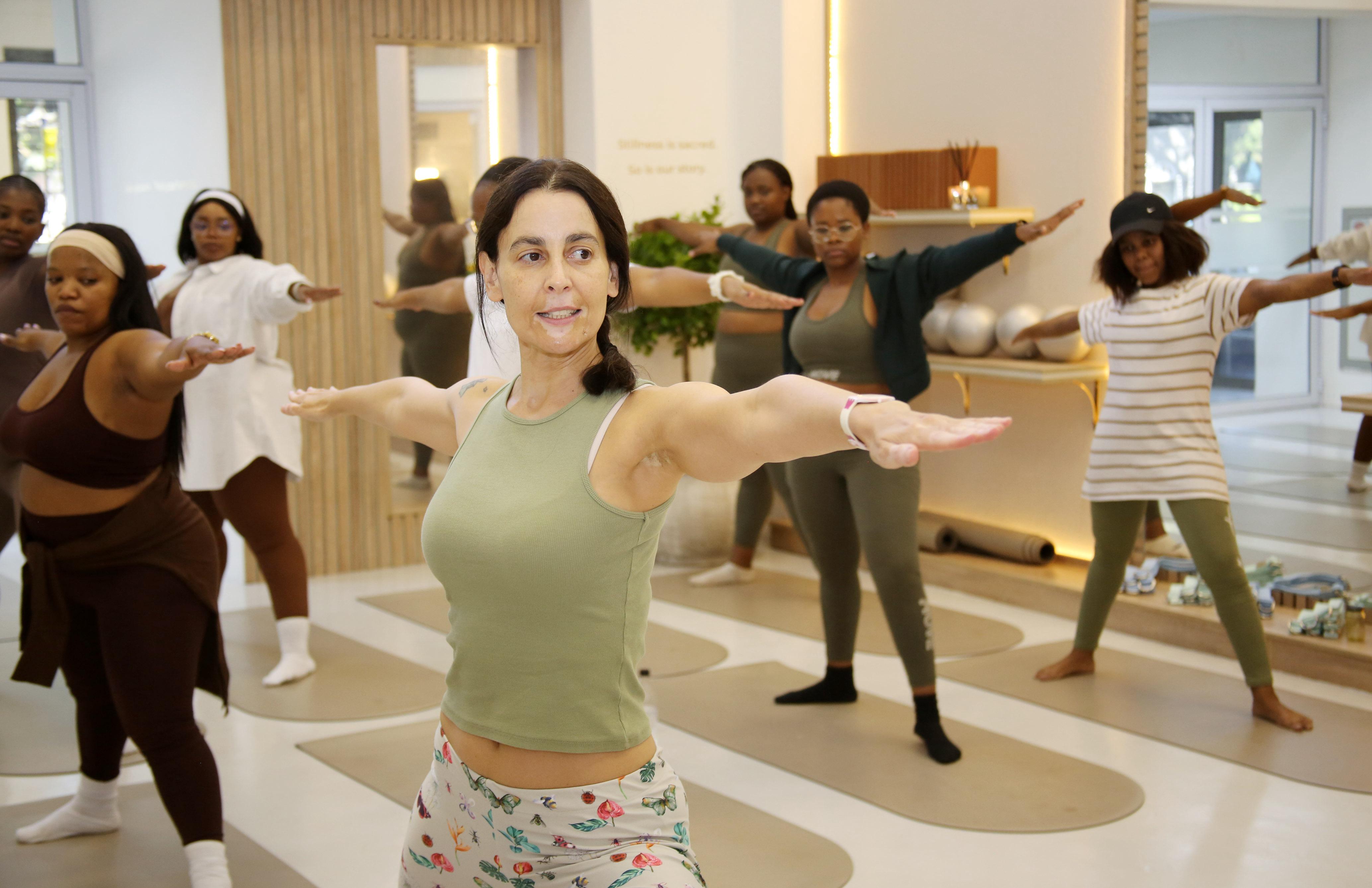
Pilates emphasizes the synchronization of movement and breath. Deep, steady breathing helps regulate the autonomic nervous system, reducing tension and anxiety. At the same time, core activation provides a sense of control and stability, which counters feelings of restlessness or overwhelm. With each coordinated movement and inhalation/exhalation, the body and mind enter a state of “active calm,” which fosters emotional self-regulation.
Regular practitioners of Pilates often report increased focus and improved emotional stability. Studies indicate that consistent physical practice promotes the release of endorphins and serotonin — the “feel-good” neurotransmitters — which help alleviate stress, enhance mood, and boost overall well-being.
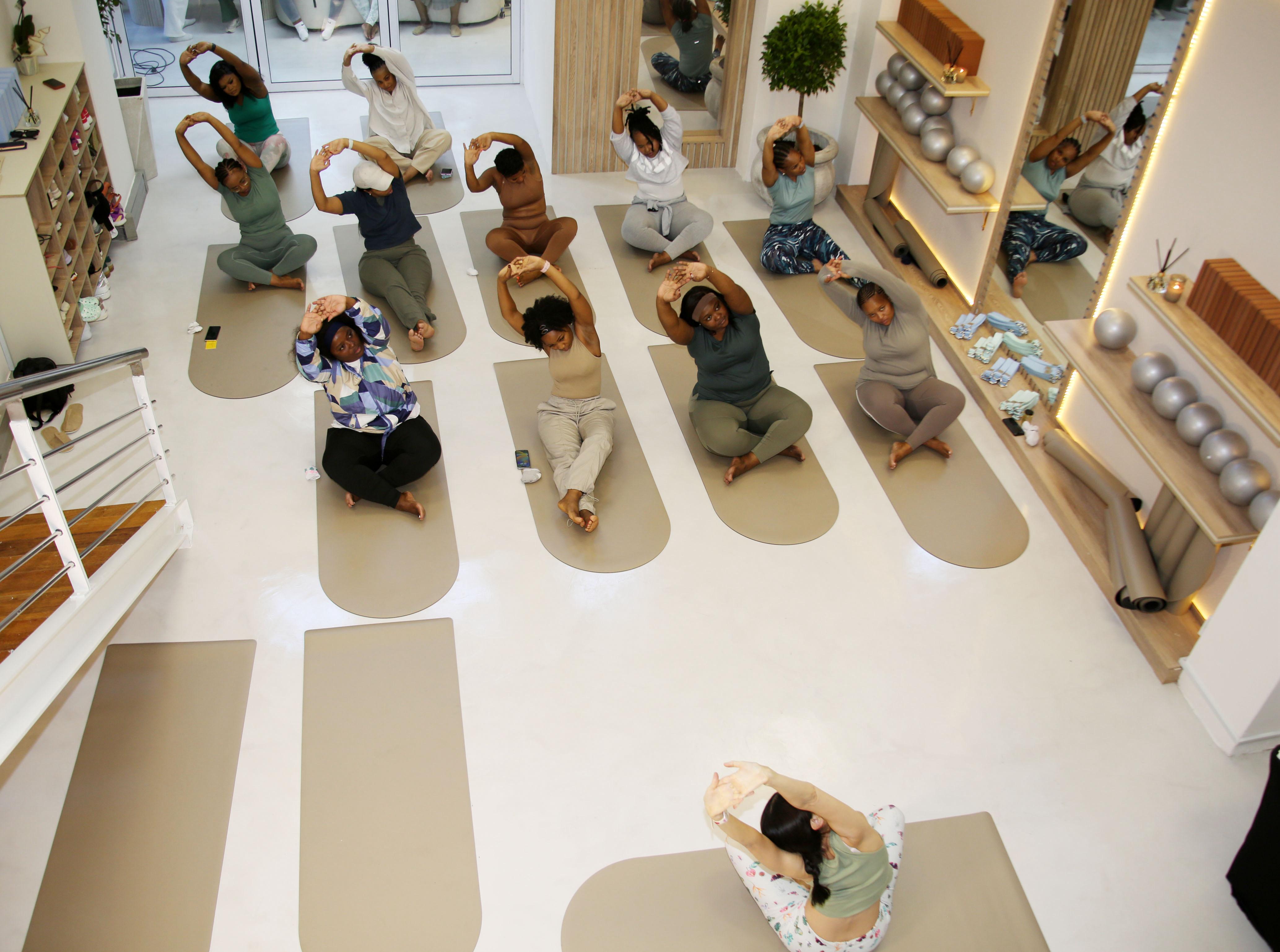
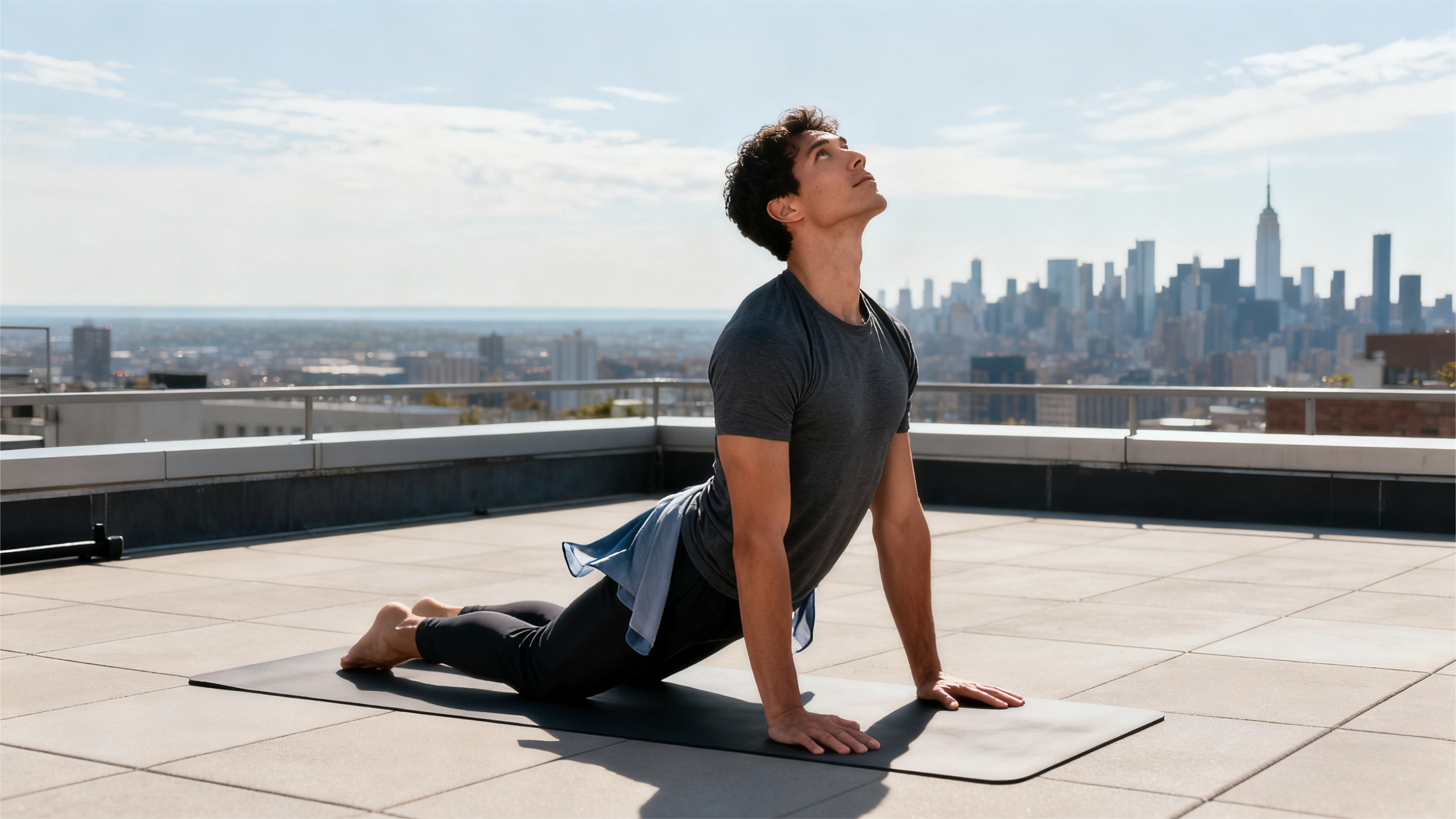
Pilates’ low-impact exercises are suitable for all ages, and even brief sessions in the office, at home, or outdoors can relieve shoulder tension and calm the mind. By integrating mindful movement and breathing into daily life, individuals can maintain emotional resilience amidst stress.
Ultimately, Pilates is more than a physical workout — it is a practice for emotional health. When the body moves in sync with the breath, emotions naturally flow and soften. Pilates provides a simple, effective, and scientifically informed method for supporting mental well-being in modern life.