

Pilates and Spinal Health
The spine is the central axis of the human body — the foundation of posture, movement, and balance.
It supports our structure, transmits nerve signals, and connects the physical body with emotional well-being.
Yet in today’s lifestyle of long hours at the desk and constant screen time, the spine has become one of the most vulnerable parts of the body.
Neck stiffness, rounded shoulders, lower back pain, and sciatica have become everyday complaints.
Pilates offers a solution — a way to restore the spine’s natural alignment through precise movement and mindful control.
Joseph Pilates once said, “You are as young as your spine is flexible.”
In Pilates philosophy, spinal mobility and stability represent the essence of youth and vitality.
The Pilates system divides the spine into three major regions: cervical, thoracic, and lumbar.
Each exercise is designed to balance extension and control — allowing the spine to lengthen and articulate segment by segment.
With focused breathing and core engagement, the practitioner gradually re-establishes the spine’s natural curves and vertical alignment.
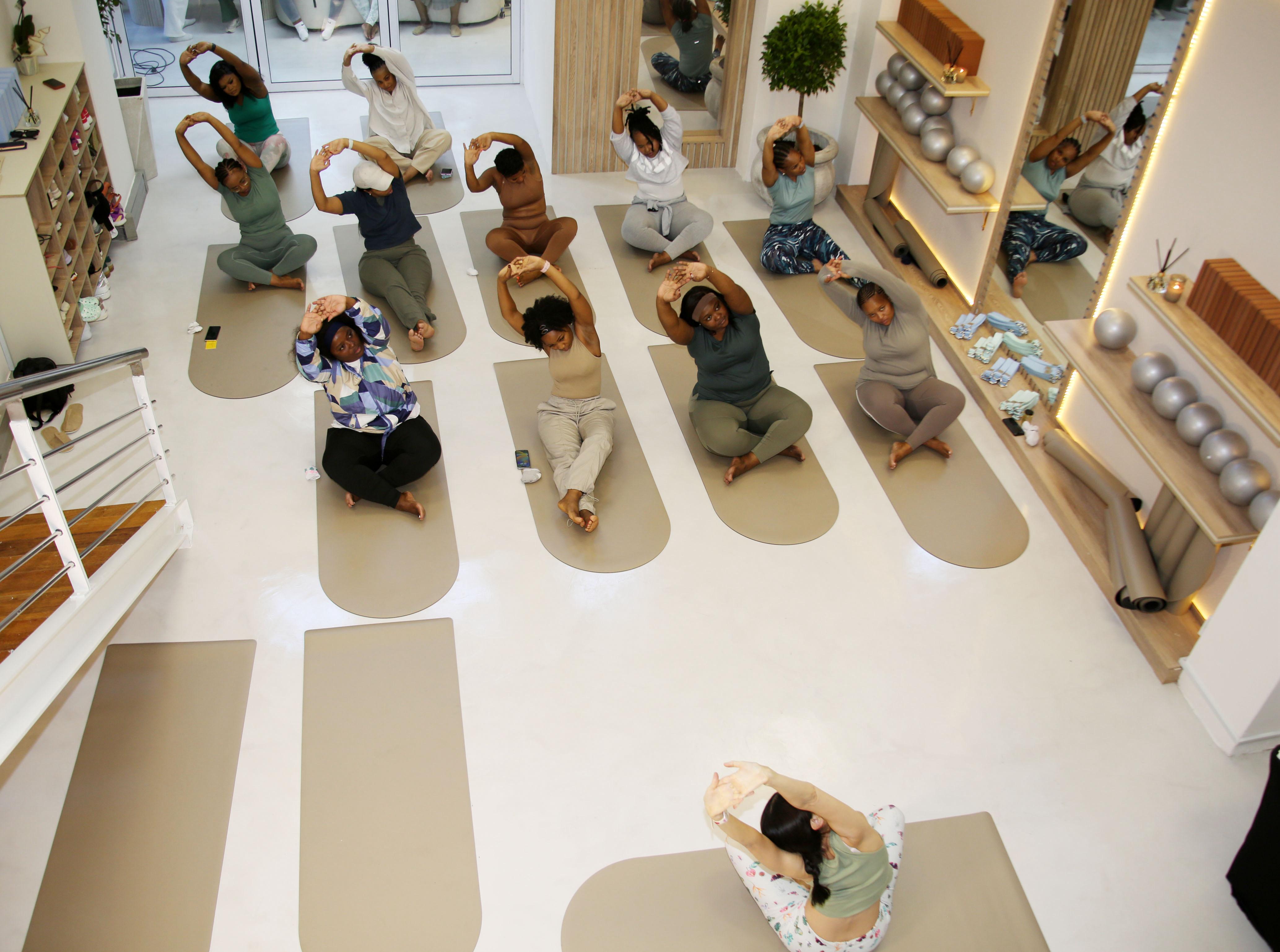
Take the classic exercise “Spine Stretch Forward.”
Each roll of the spine — from head to tailbone — encourages segmental articulation, awakening small stabilizing muscles along the vertebral column.
This promotes flexibility, reduces compression, and enhances awareness of spinal movement.
Another cornerstone concept is Neutral Spine — maintaining the spine’s natural three curves without exaggeration.
When practiced consistently, it teaches the body to stay balanced and aligned during all daily activities — sitting, walking, bending, or lifting.
This awareness dramatically reduces unnecessary tension and protects the joints from overuse.
Scientific studies confirm that Pilates improves core stability and reduces pain in individuals with chronic low back pain.
The key lies in activating deep stabilizing muscles, including the multifidus, transversus abdominis, and pelvic floor muscles.
These deep muscles act like a natural brace, supporting the spine from within and maintaining efficient posture.
Pilates is not merely a remedy; it’s prevention through awareness.
When breath, alignment, and strength work together, the spine becomes a dynamic channel of energy rather than a source of discomfort.
To practice Pilates is to reclaim the spine — to rediscover your body’s central line of strength, grace, and confidence.
A flexible spine is not just a physical asset — it’s a symbol of vitality.
To move with freedom, to stand tall, to breathe deeply — that is the essence of a healthy spine and, ultimately, a healthy life.