

Pilates and Spinal Health: Correcting Posture from the Core
The spine is often called the “pillar of life.” However, with long hours of sitting, constant phone use, and poor posture, spinal problems like hunching, lower back pain, and neck stiffness are increasingly common. Pilates — through its focus on core control and spinal mobility — has become known as the “guardian of the spine,” offering a scientific and sustainable way to correct posture and enhance spinal health.
At the heart of Pilates lies the concept of “neutral spine” and “core stability.” By training deep stabilizing muscles — such as the transversus abdominis, multifidus, and pelvic floor — the body learns to maintain alignment in both movement and stillness, restoring the natural curves of the spine.
When core strength is weak, the back muscles overcompensate, increasing lumbar pressure and distorting posture. Pilates retrains the body to move efficiently, using controlled breathing and mindful precision.
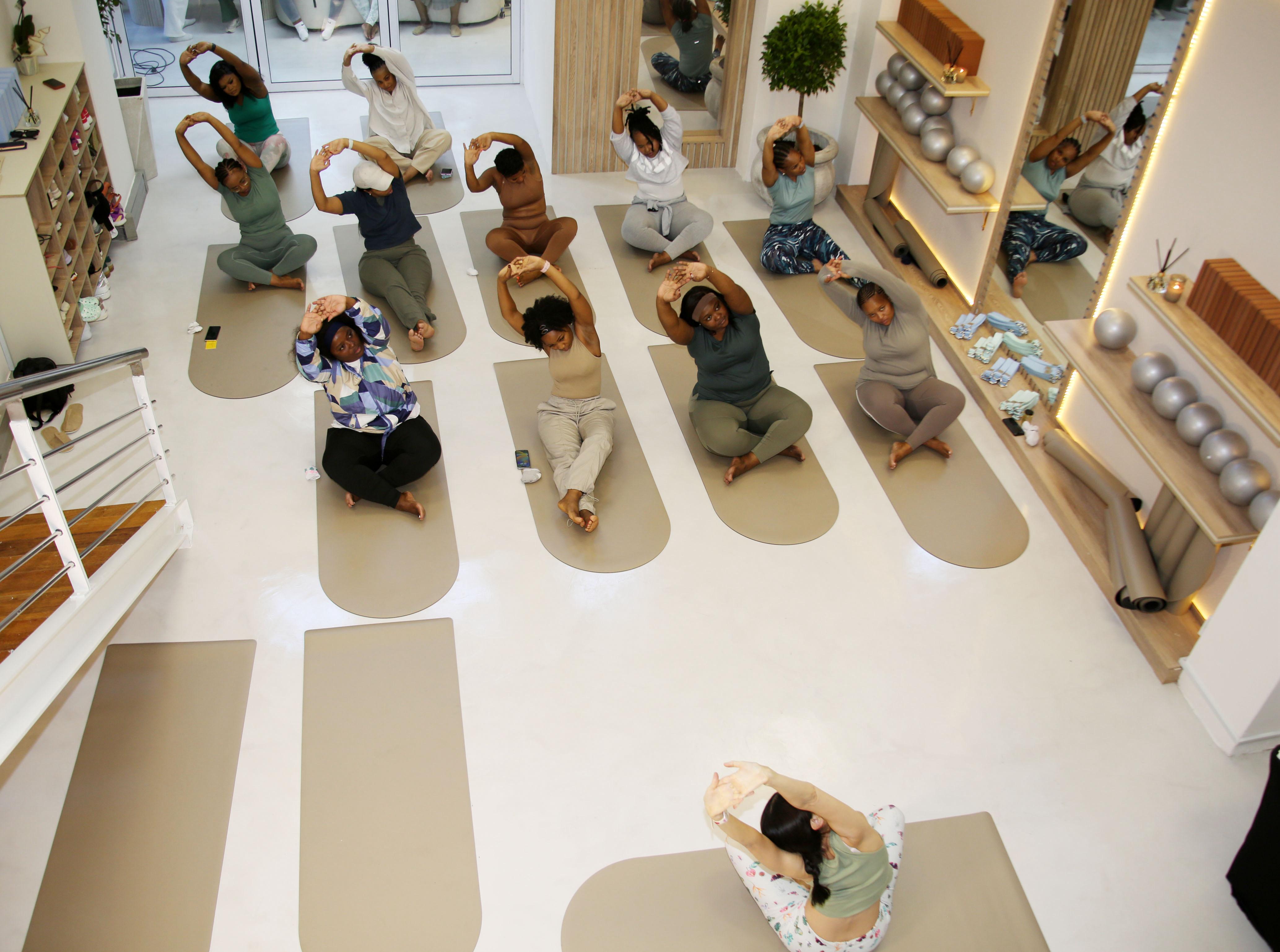
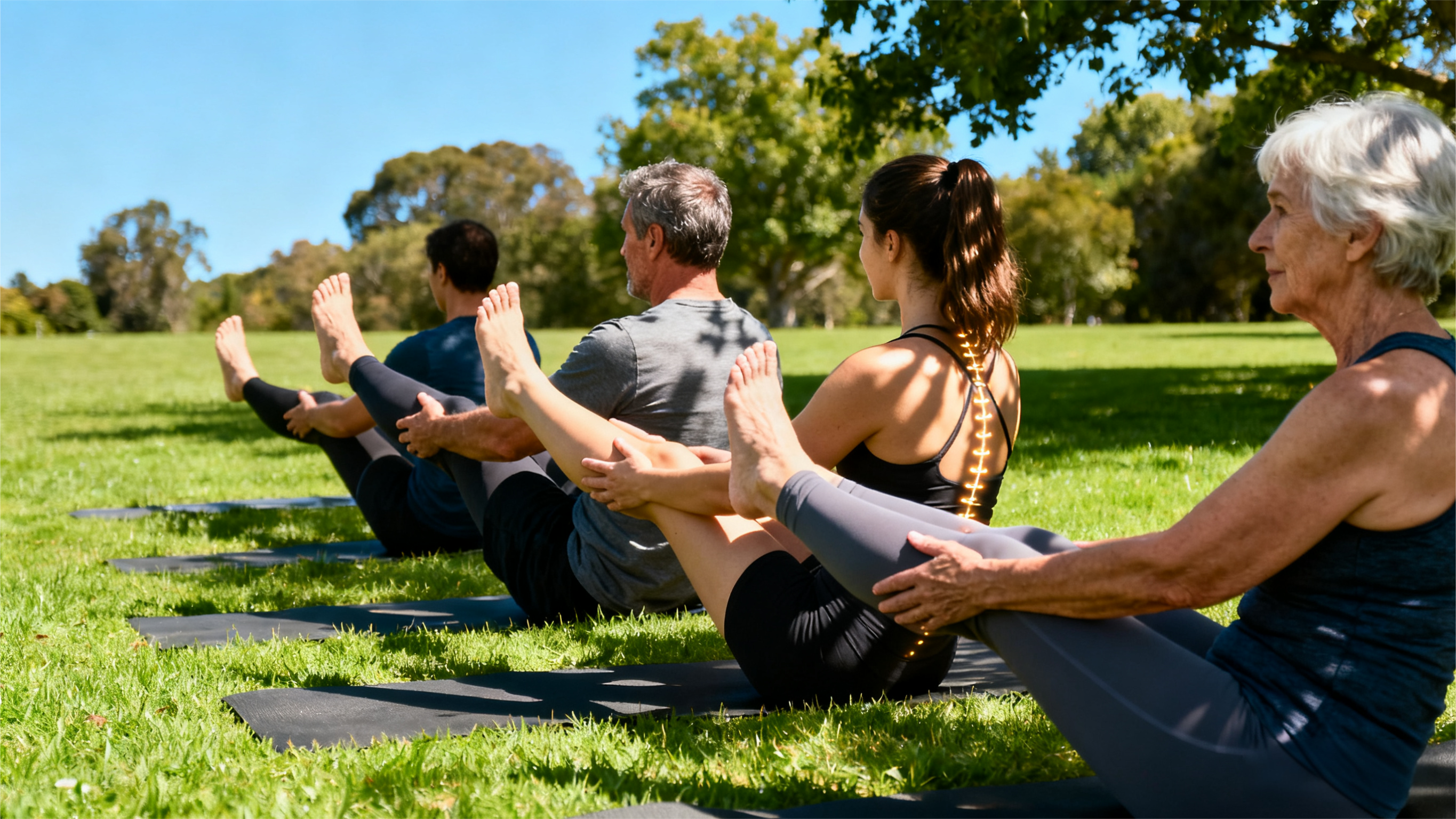
Classic exercises such as the “Spine Stretch Forward” and “Bridge” strengthen the core while gently mobilizing the spine, releasing tension between the vertebrae.
Over time, practitioners notice tangible benefits: relaxed shoulders, a lighter lower back, and a naturally upright posture. These visible improvements reflect deeper structural balance and neuromuscular coordination.
Scientific studies show that consistent Pilates practice significantly reduces chronic back pain, relieves sciatica symptoms, and enhances balance and stability.
Healthy posture is not just physical—it influences energy, confidence, and emotional well-being. Pilates, in essence, is the art of standing tall again, from the inside out.