



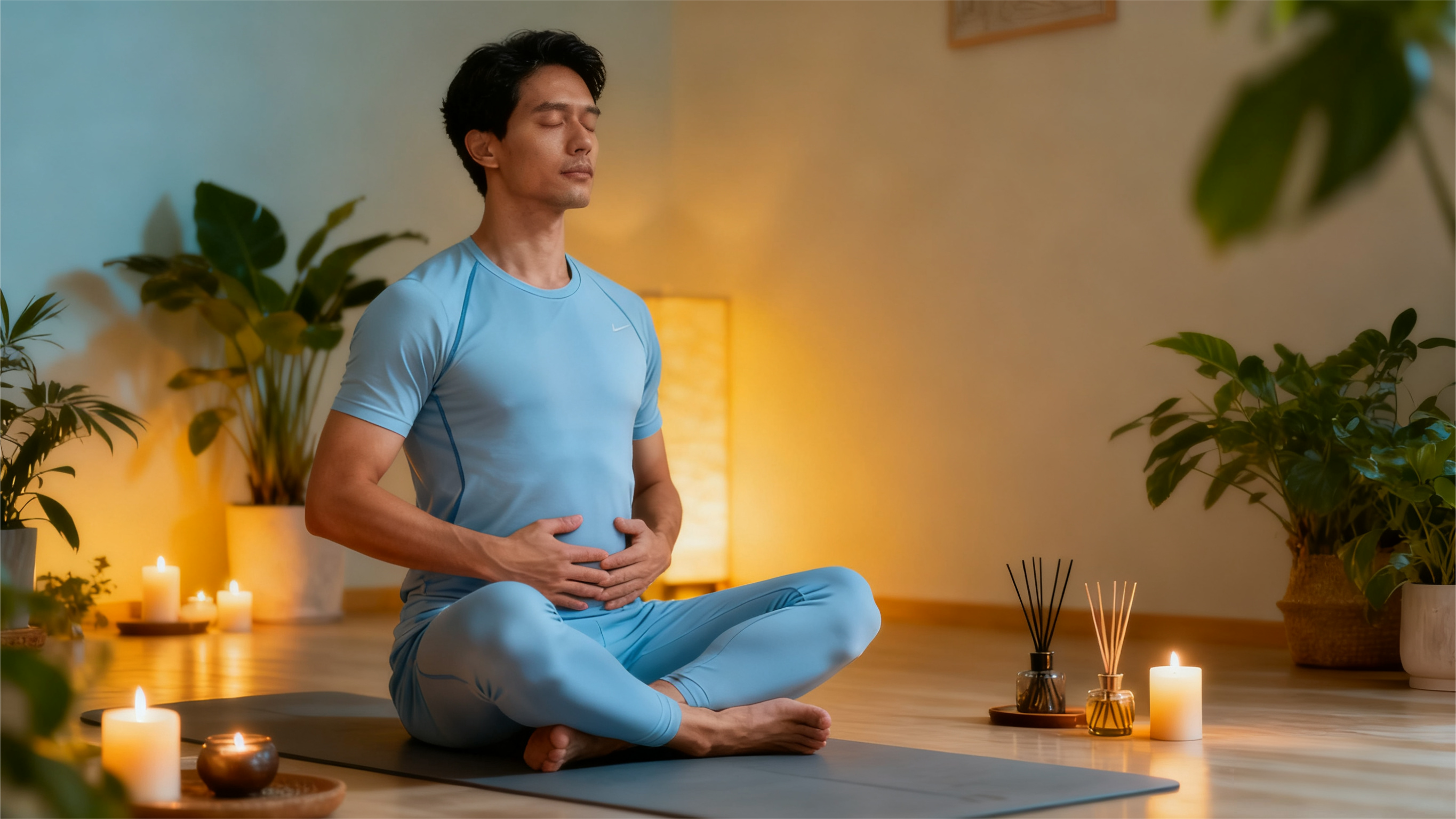
Pilates for Emotional Well-being
Emotions are deeply connected to the body. When we feel anxious, our shoulders tighten; when we’re sad, our chest sinks; when we’re stressed, our breath becomes shallow. Pilates, often regarded as a physical discipline, is in fact a powerful method for emotional healing — one that uses mindful movement to restore inner balance and calm.
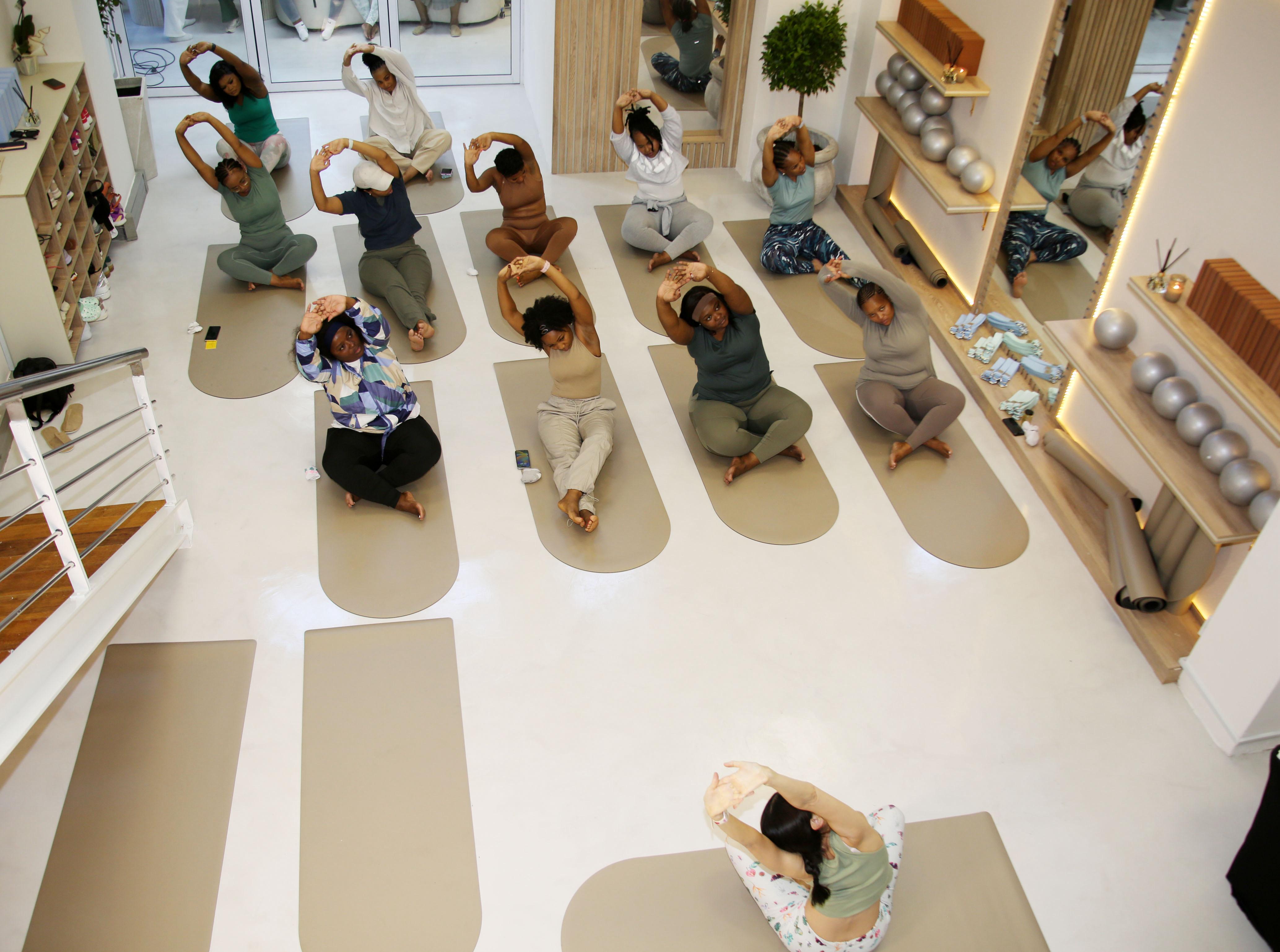
The practice of Pilates encourages presence. Each exercise demands full attention to the body, breath, and alignment. This mindful awareness creates a meditative state, helping practitioners observe their emotions without judgment. As the breath deepens and the body moves rhythmically, tension melts away, allowing emotional energy to flow more freely.
Physiologically, Pilates activates the parasympathetic nervous system — the body’s “rest and digest” mode. This reduces cortisol levels, slows the heart rate, and promotes a sense of relaxation. Emotionally, it teaches regulation. Instead of being overwhelmed by feelings, practitioners learn to anchor themselves in their breath and core — a grounding sensation that helps manage anxiety, sadness, and even anger.
For those who carry emotional fatigue from long-term stress or trauma, Pilates offers a safe path to recovery. The gentle yet precise movements rebuild trust in one’s body, while conscious breathing provides a sense of control and stability. Over time, this integration of body and emotion fosters resilience, making it easier to face life’s challenges with composure.
Ultimately, Pilates is not just about strength and flexibility. It is about emotional harmony — a dialogue between body and mind that teaches us to release what no longer serves us, and to find peace within movement.