


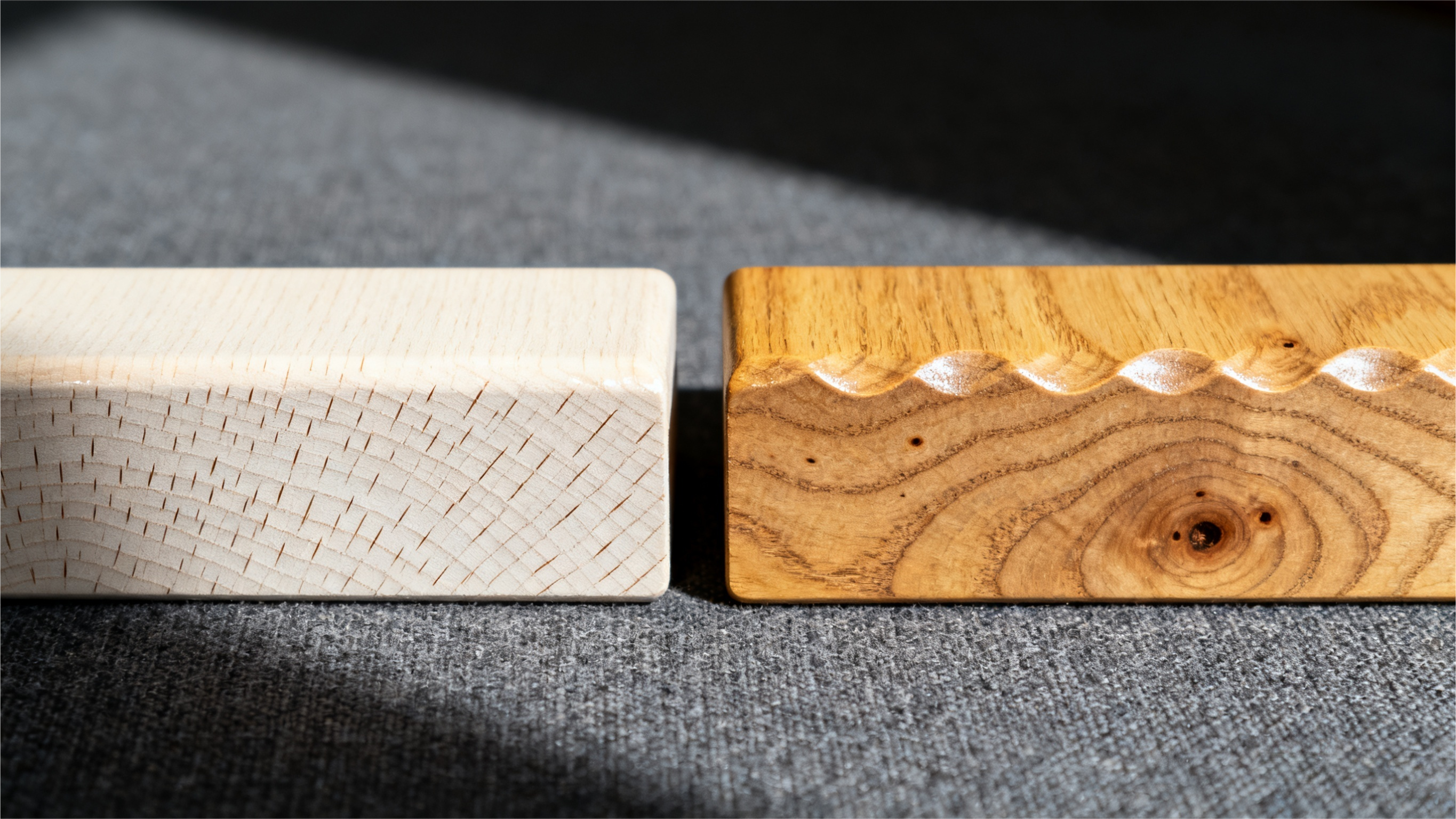
Material and Quality Comparison of Pilates Equipment
In Pilates equipment manufacturing, the choice of materials and quality control directly determine safety, stability, and product longevity. With the growing demand in the fitness market, equipment now comes in various materials such as wood, metal, and composites. Studios and individual users must balance aesthetics, durability, and performance when making a purchase.
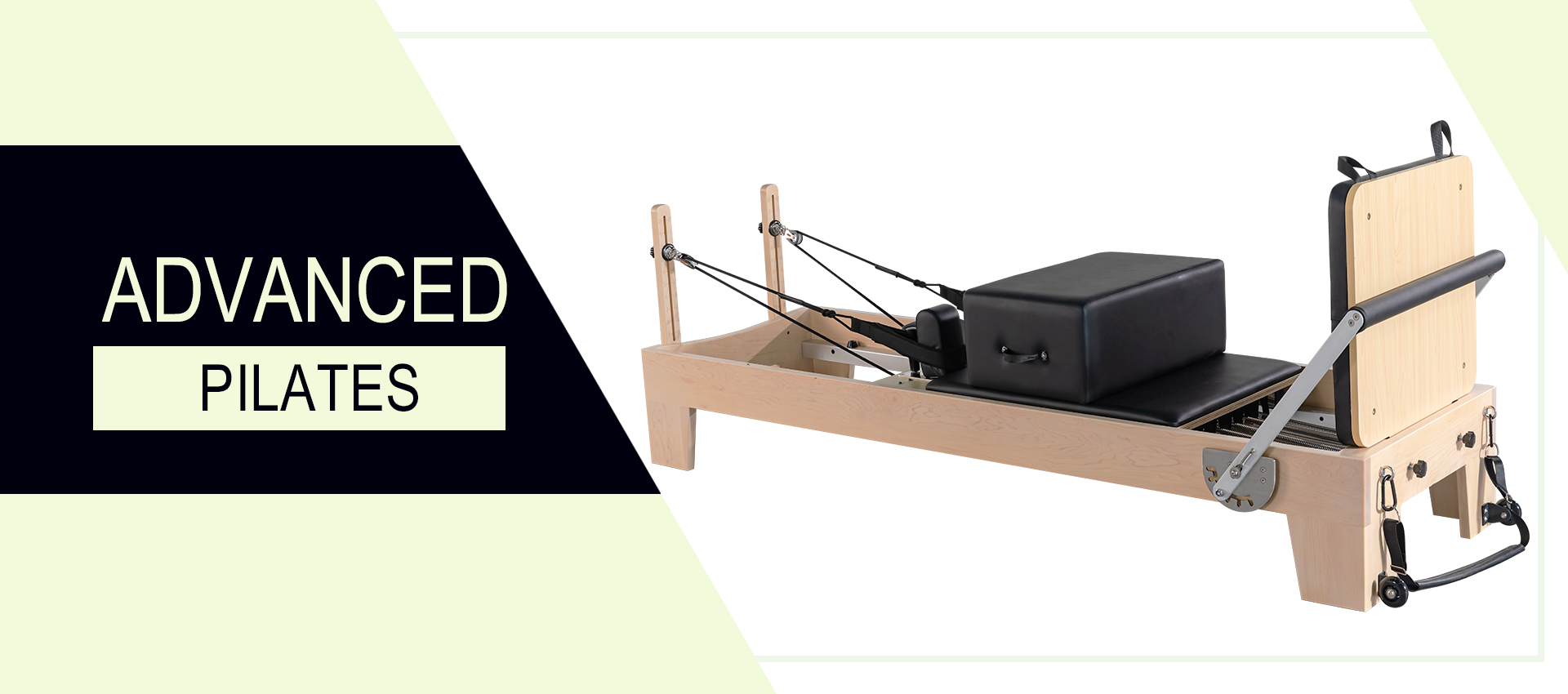
Firstly, wooden Pilates equipment is widely favored for its natural texture and aesthetic appeal. High-quality maple or beech wood offers structural stability and creates a warm, inviting training environment. However, wood is sensitive to humidity and may crack or deform without proper maintenance.
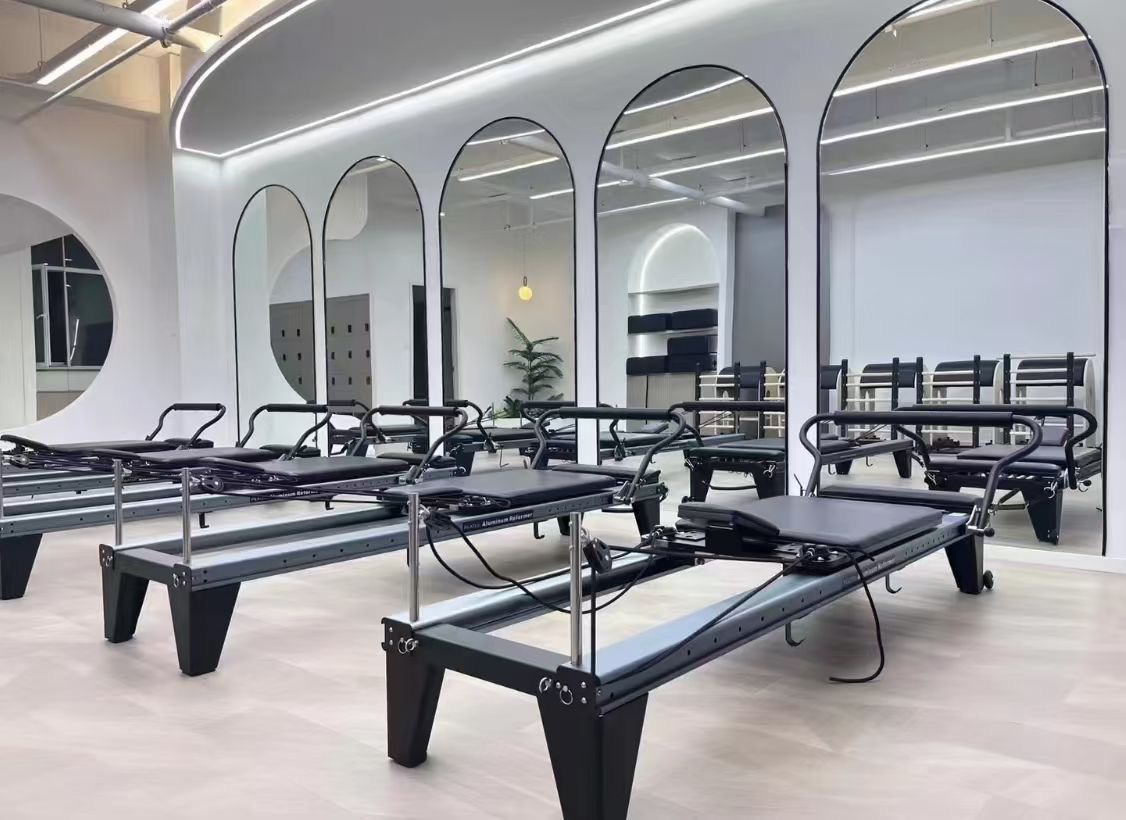
Secondly, metal-based equipment excels in durability and load-bearing capacity. Steel and aluminum are the mainstream choices, ensuring safety while supporting high-intensity training. These machines often feature sleek, modern designs suitable for gyms and heavy use. On the downside, they lack the warm touch that wooden equipment provides.
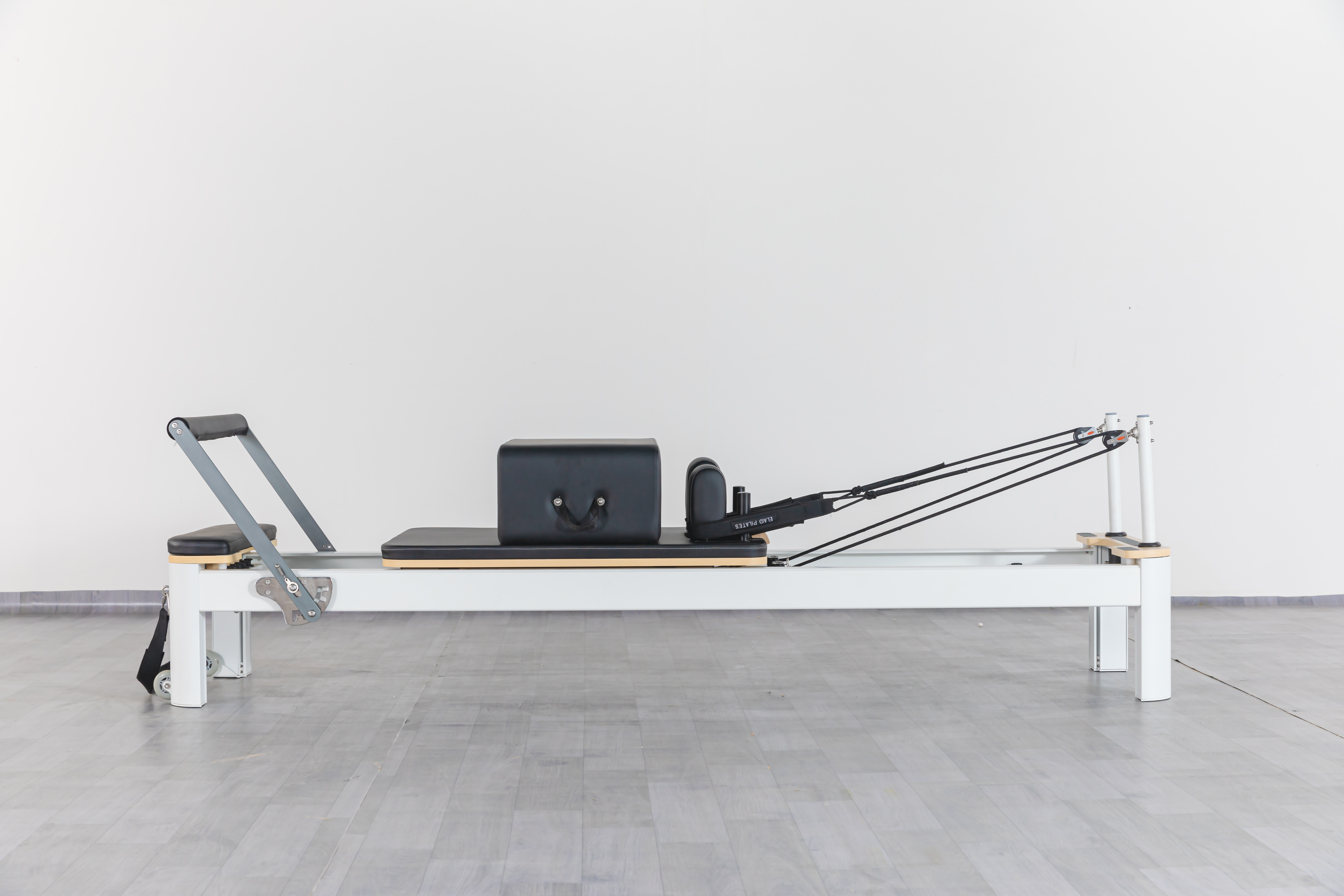
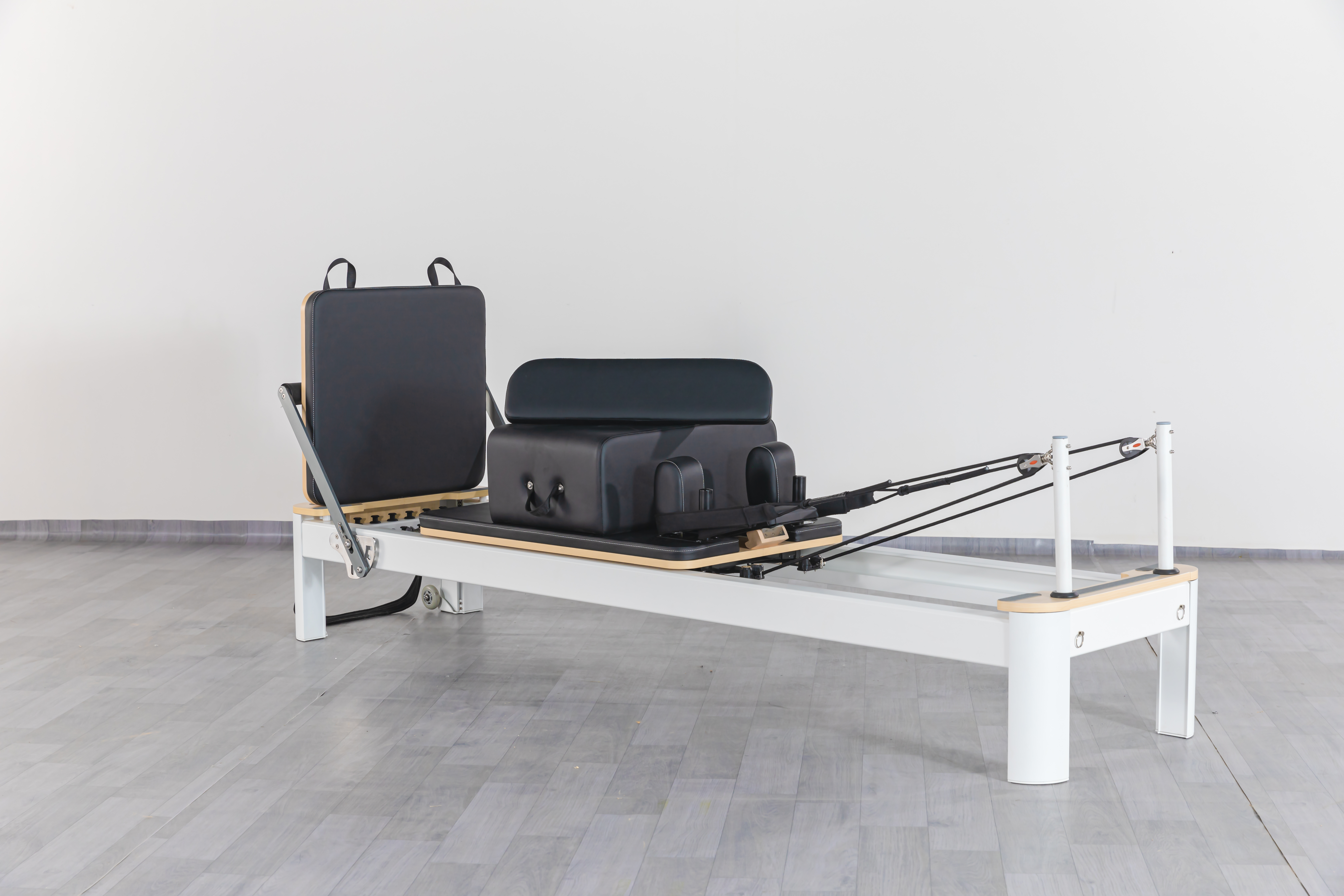
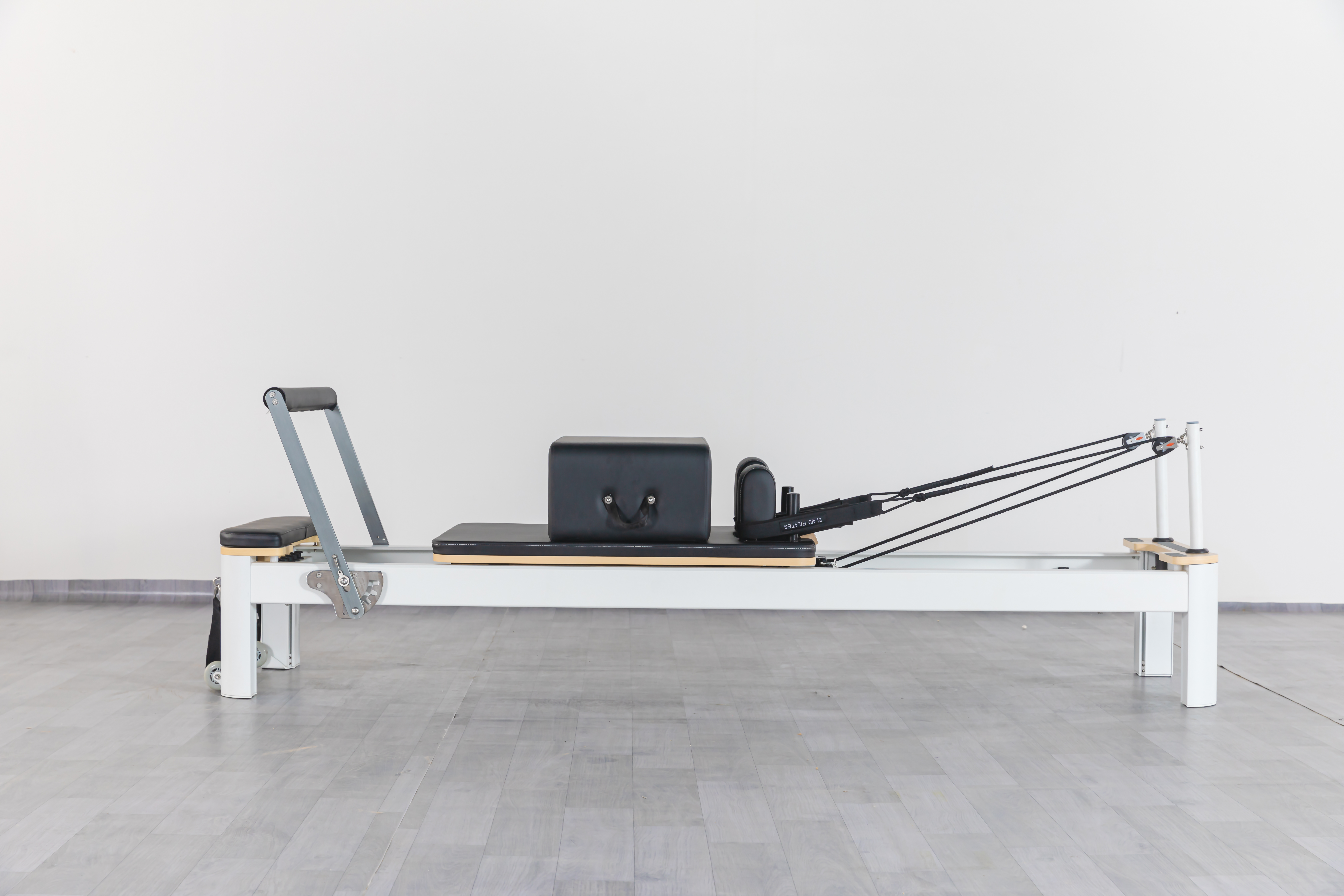
Thirdly, composite equipment is becoming an emerging trend. By combining metal frames with wooden finishes, manufacturers achieve both strength and aesthetics. This approach also provides more options in terms of pricing and design.
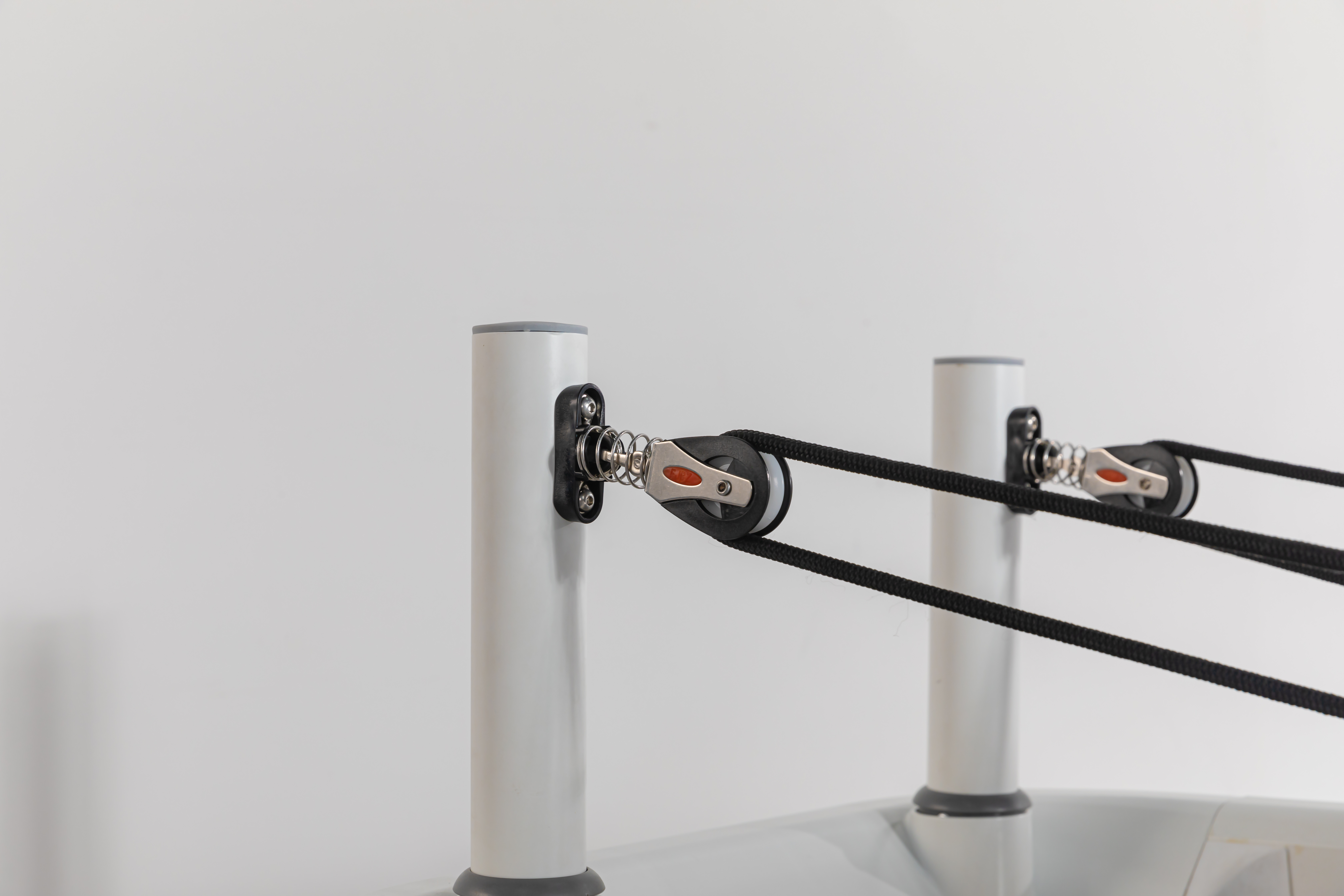
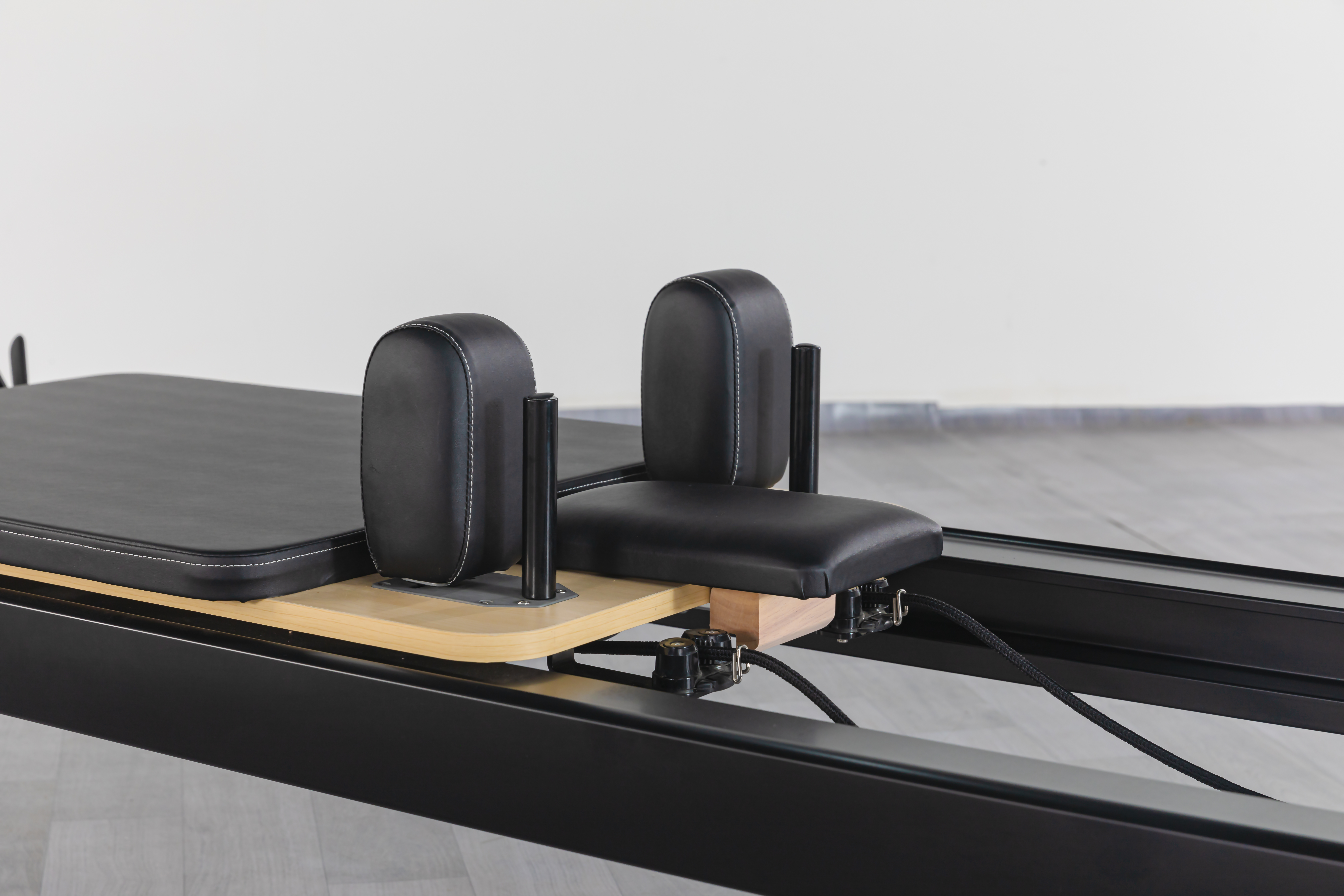
For manufacturers, material selection is only the first step. Quality control is crucial—ranging from spring tension consistency to screw precision and eco-friendly upholstery. Premium equipment often demonstrates superior craftsmanship, ensuring long-term reliability.
In summary, the material and quality of Pilates equipment define the training experience. Buyers should evaluate material properties, brand reputation, and after-sales service, while manufacturers must continue to refine craftsmanship and standards to drive sustainable industry growth.