




The Scientific Relationship Between Pilates and Weight Management
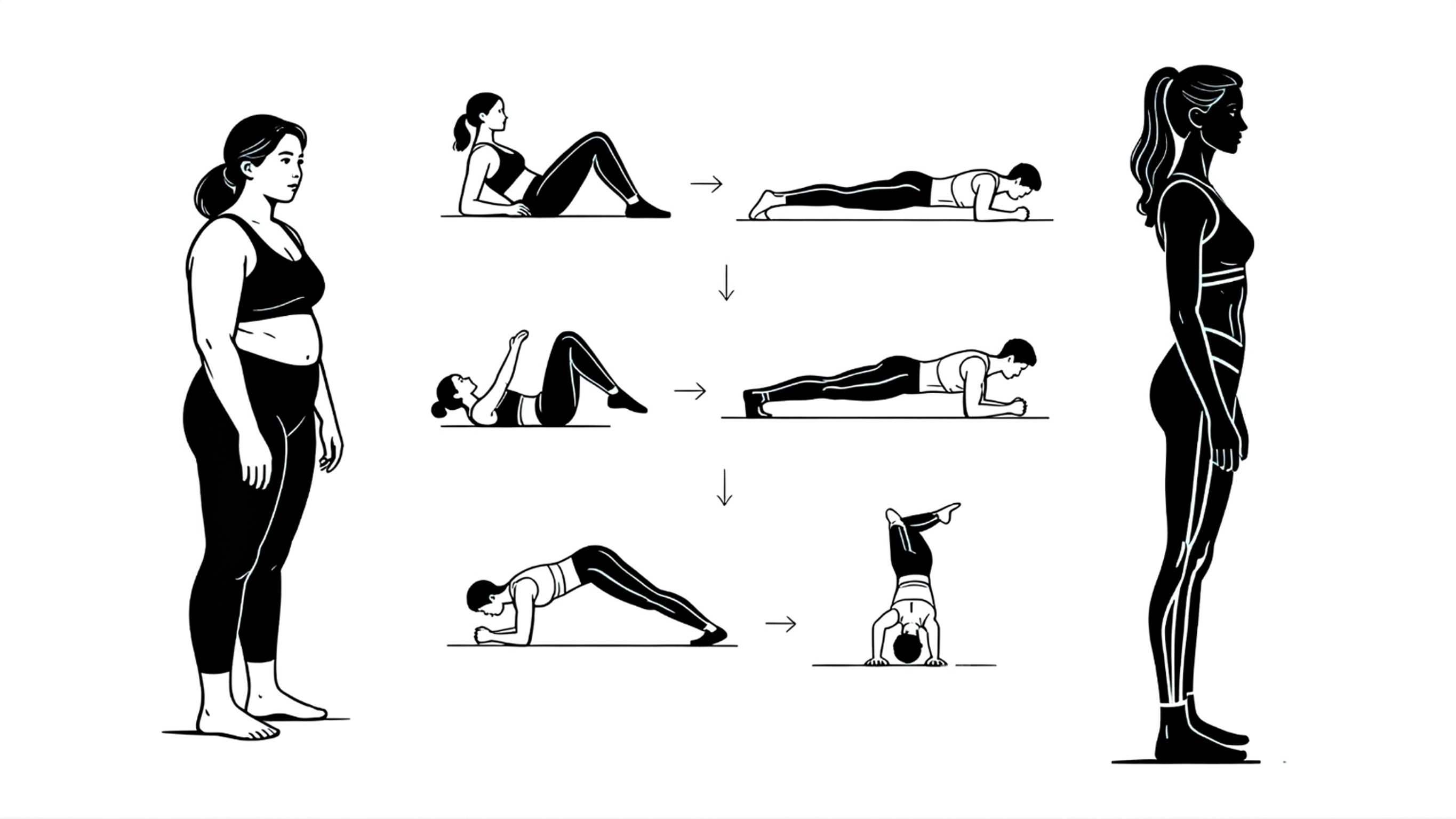
Weight management is not just about appearance—it’s about health. Pilates is often misunderstood as “light exercise,” but with consistent and scientific training, it plays a significant role in weight management.
Core Strength and Metabolism Boost
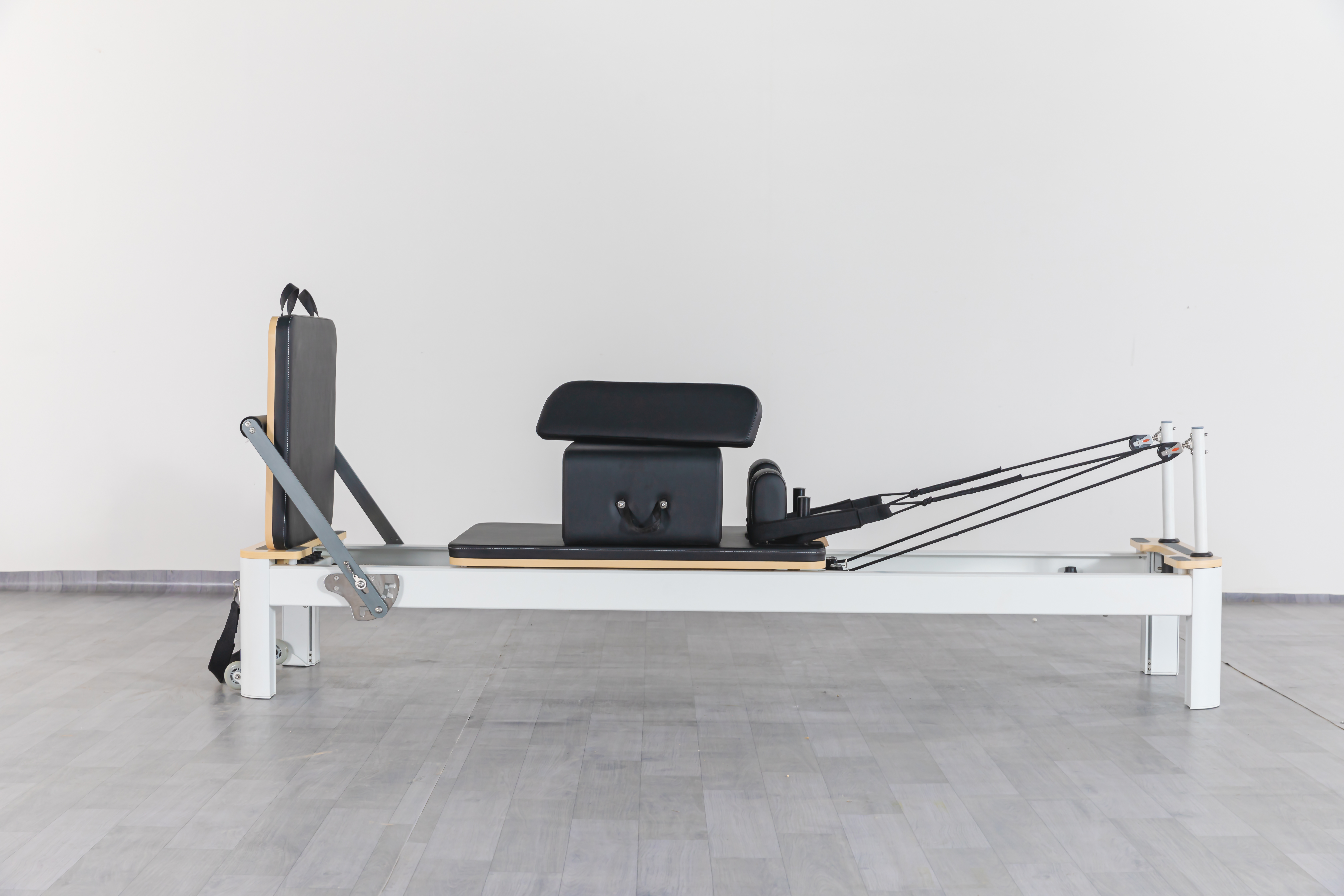
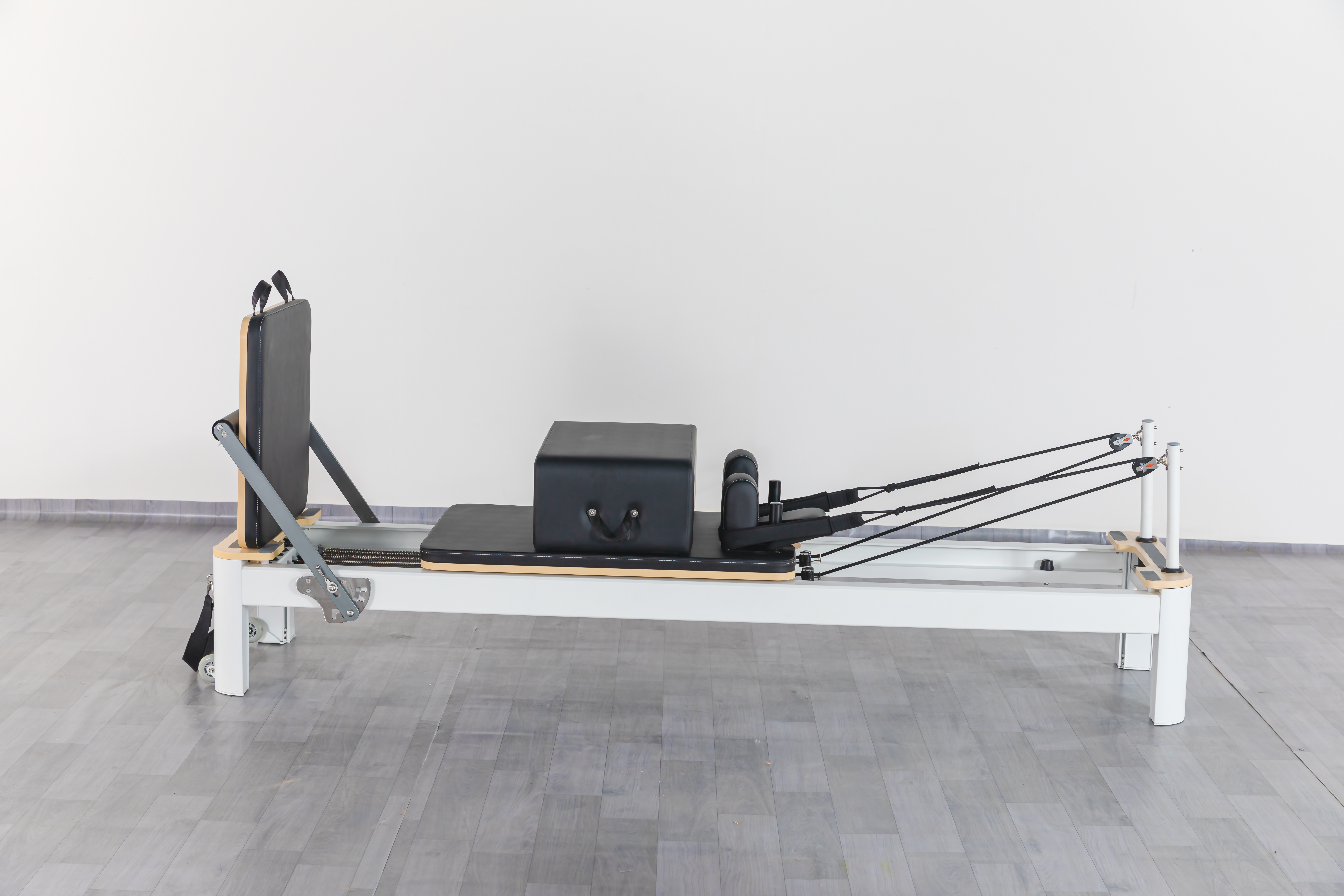
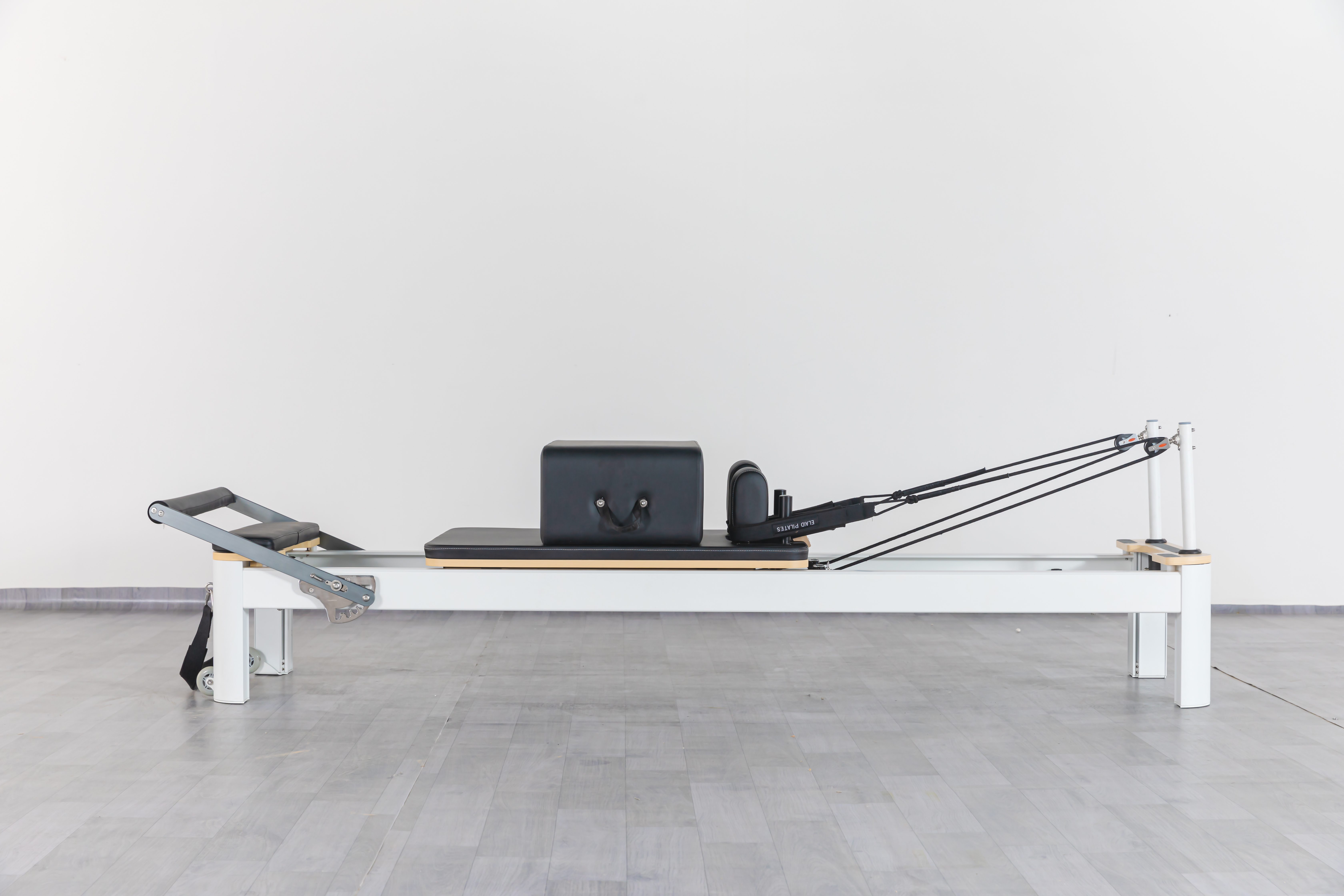
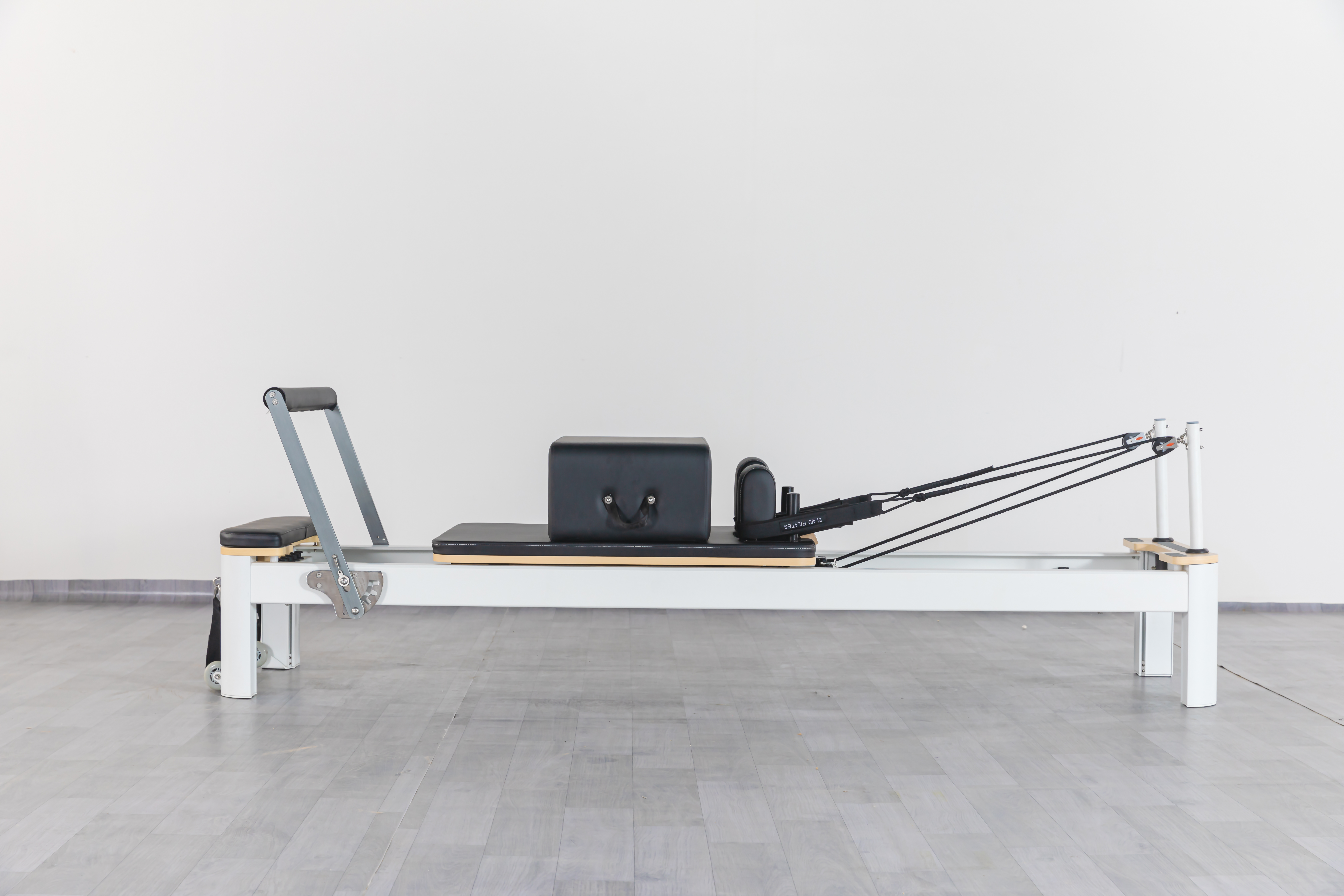
Pilates equipment activates deep core muscles, improving basal metabolic rate. Stronger core muscles not only enhance posture but also increase energy expenditure, aiding weight control.
Fat Burning and Body Sculpting
While Pilates is not a typical high-intensity fat-burning workout, its precise, sustained movements activate multiple muscle groups, supporting fat loss. Equipment-based training also sculpts leaner, more defined lines.
Reducing Emotional Eating
Pilates emphasizes breath and mindfulness, improving body awareness during training. This helps reduce stress-related overeating and encourages healthier eating habits.
Complementary to Other Exercises
Combining Pilates with aerobic activities maximizes calorie burning while maintaining stability and flexibility, offering a well-rounded weight management solution.
Conclusion
Pilates contributes to weight management by boosting metabolism, enhancing posture, sculpting the body, and regulating eating habits. It provides a sustainable and scientific approach to maintaining healthy weight.