




The New Trends in the Global Pilates Market
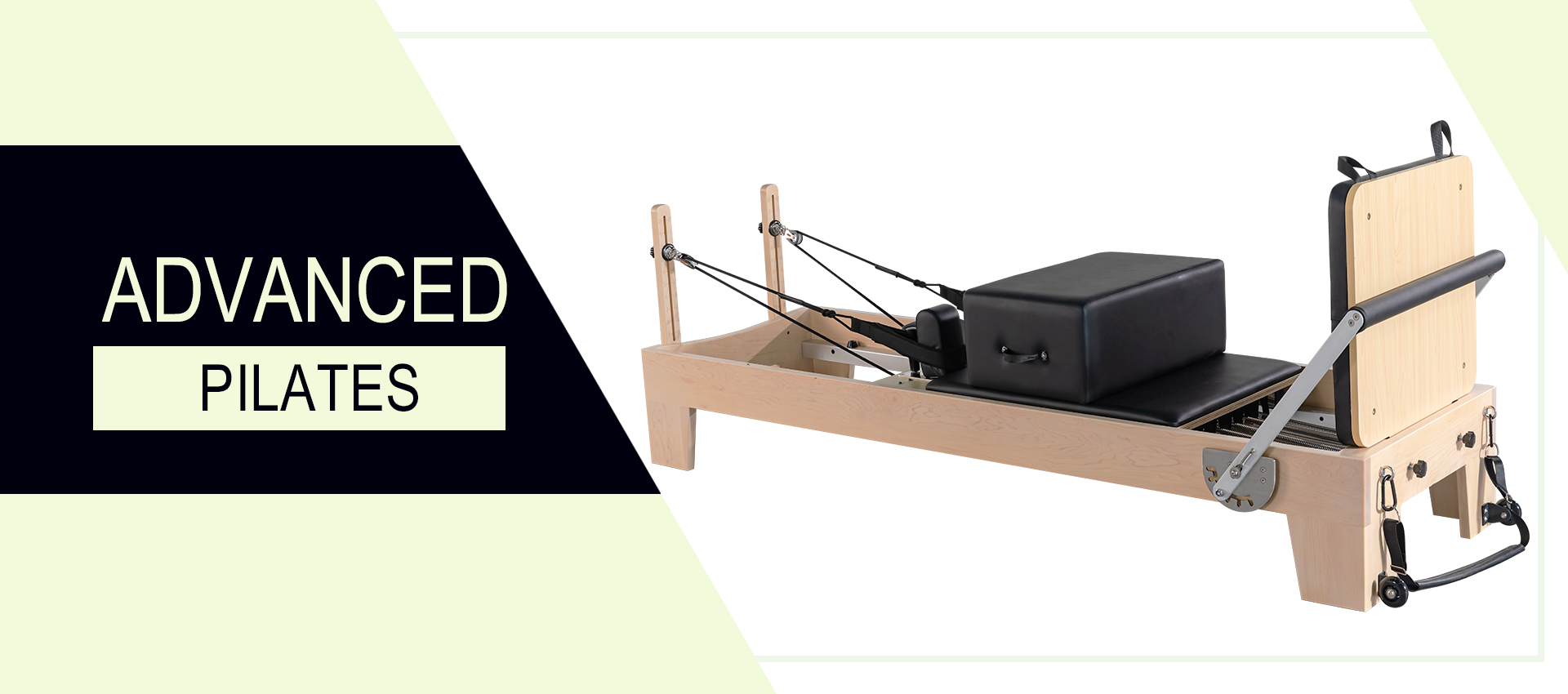
In recent years, Pilates has transitioned from a niche exercise to a mainstream fitness choice. Whether in Western gyms or emerging Asian markets, Pilates equipment training has been gaining significant popularity. According to multiple market studies, the global Pilates equipment market is expected to grow at an average annual rate of around 8% over the next five years.
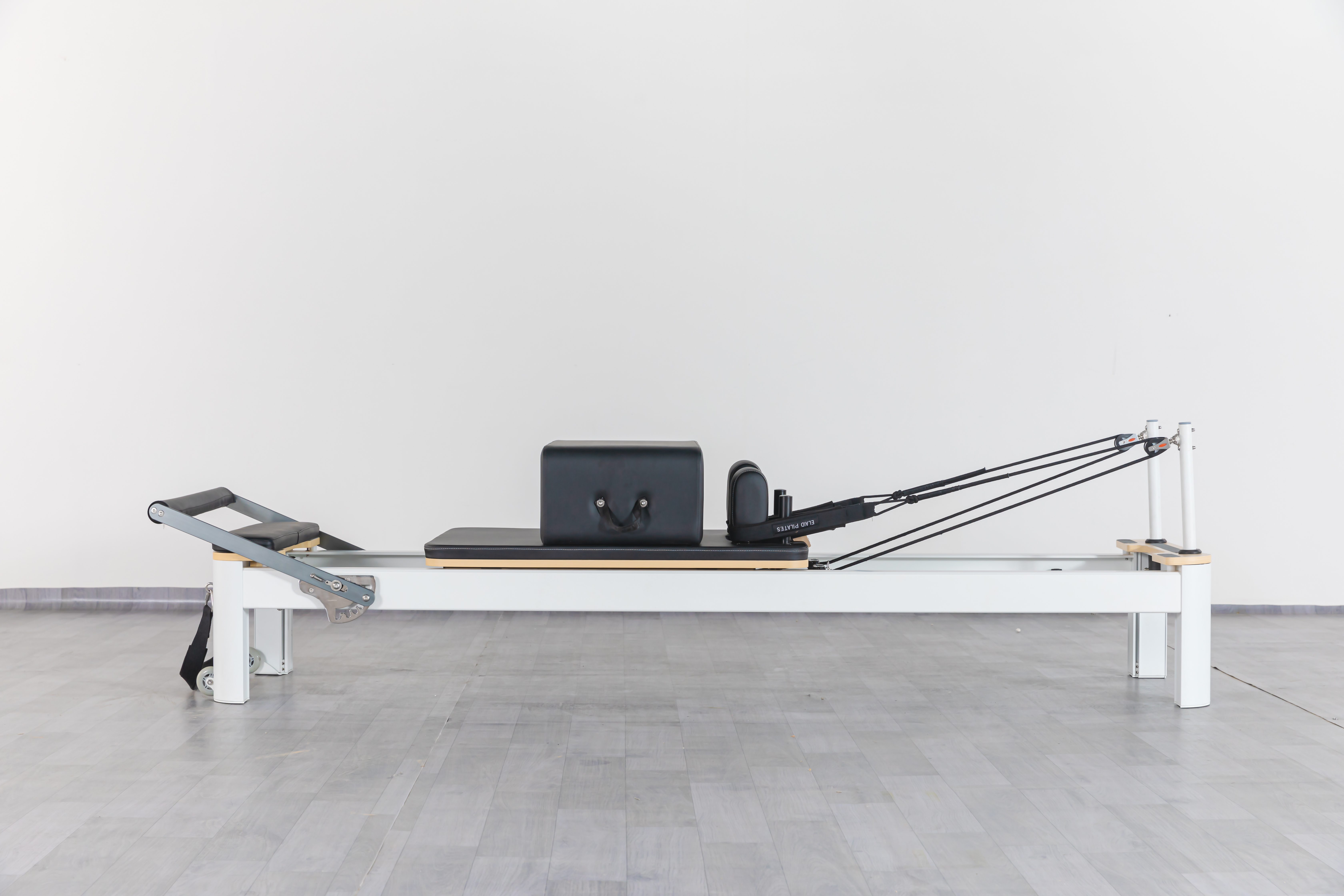
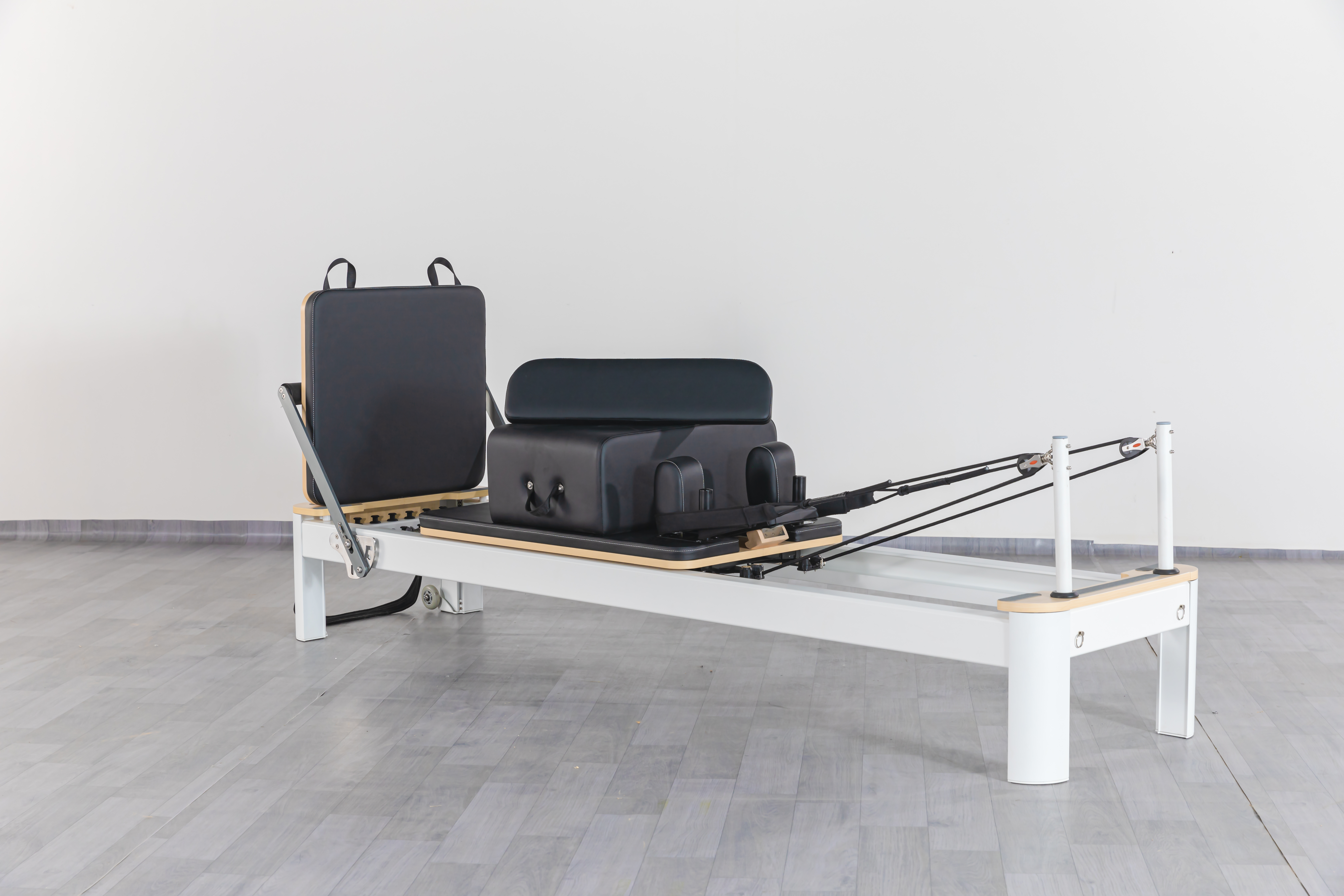
Several factors are driving this trend. First, the shift in health perceptions has fueled demand for low-impact yet highly effective workouts. Compared with high-intensity interval training, Pilates is more sustainable in the long run, excelling in posture correction, core stability, and flexibility improvement. Second, the post-pandemic boom in home fitness has boosted sales of at-home Pilates reformers and accessories, as more consumers are willing to invest in professional equipment to create their own personal fitness spaces.
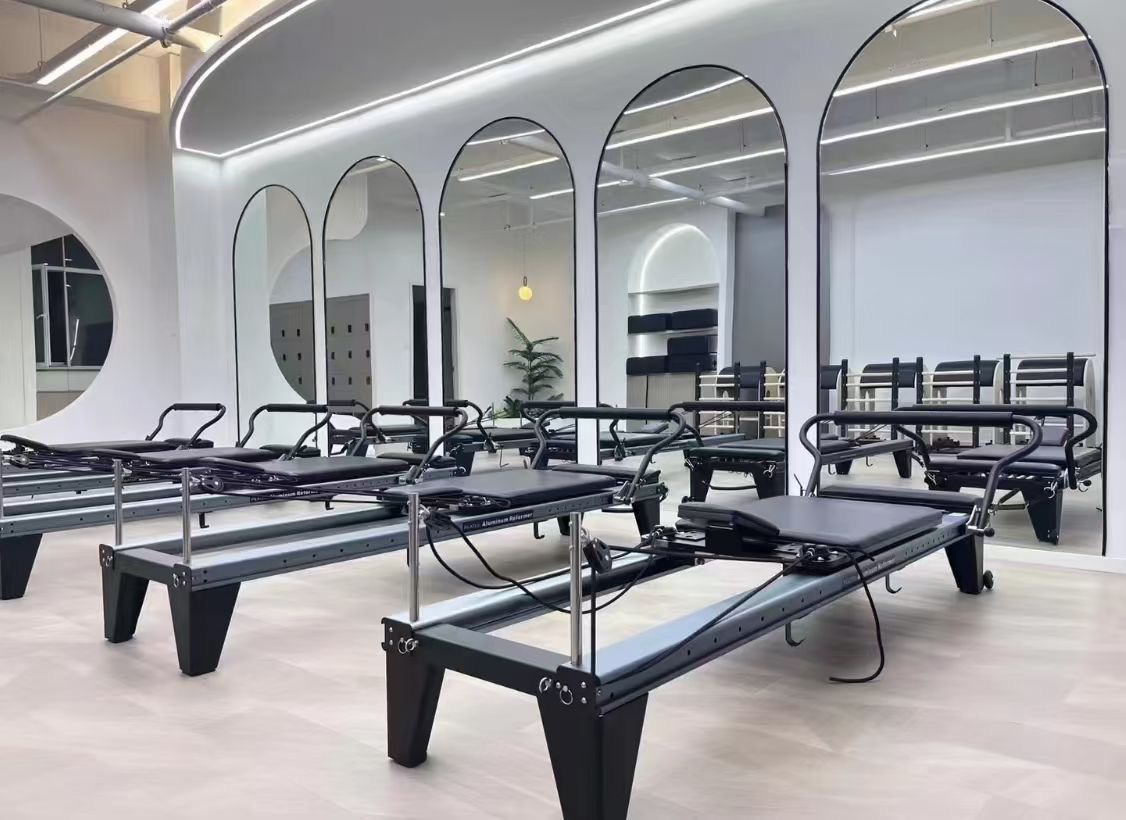
Regionally, North America remains the largest market, with a strong base of Pilates studios and certified instructors. Meanwhile, Asian markets—particularly China, Japan, and South Korea—are experiencing rapid growth. Young women, busy professionals, and high-end wellness consumers are emerging as the main driving forces. At the same time, social media platforms like TikTok and Instagram are amplifying Pilates’ influence, transforming it from just a workout into a lifestyle statement.
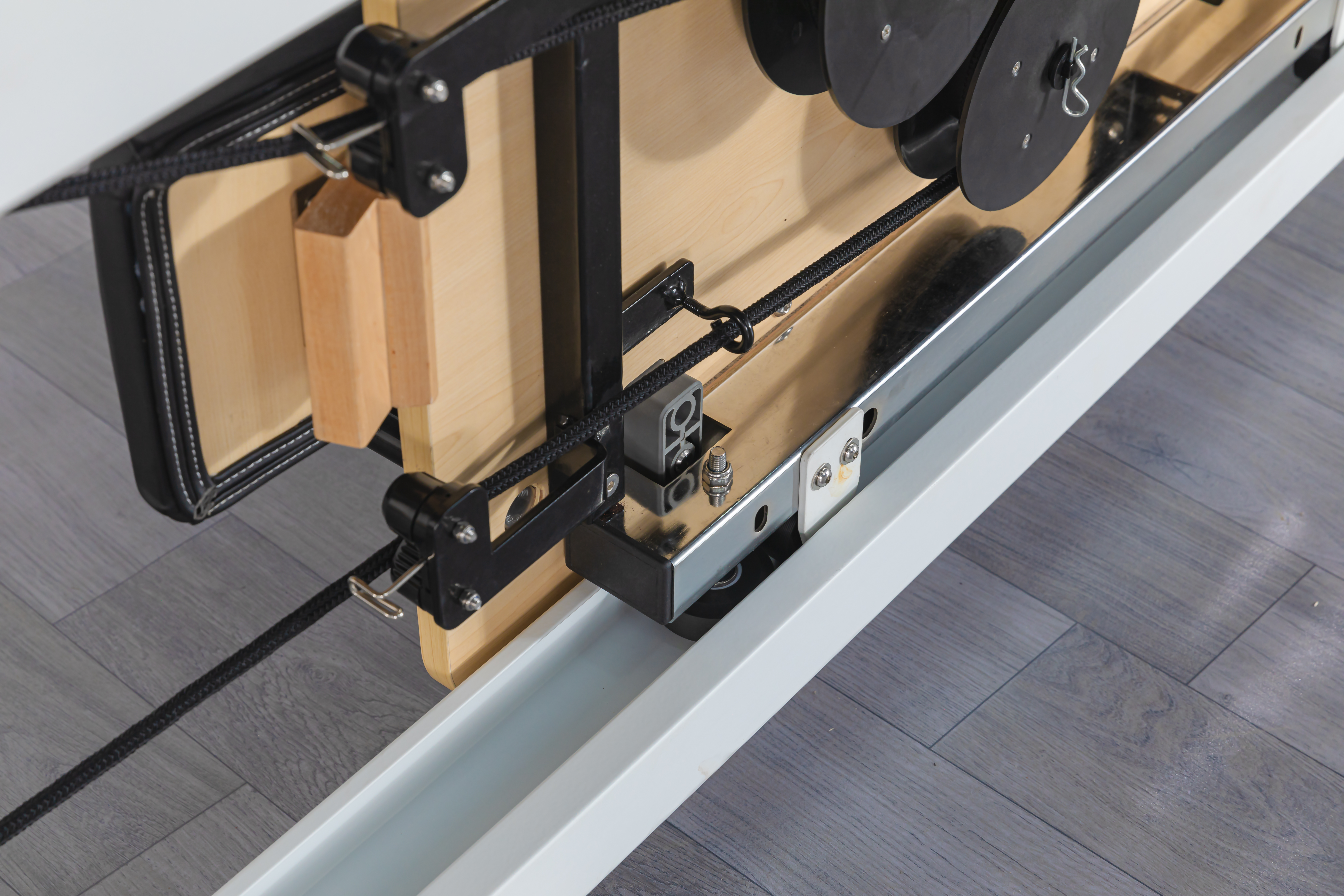
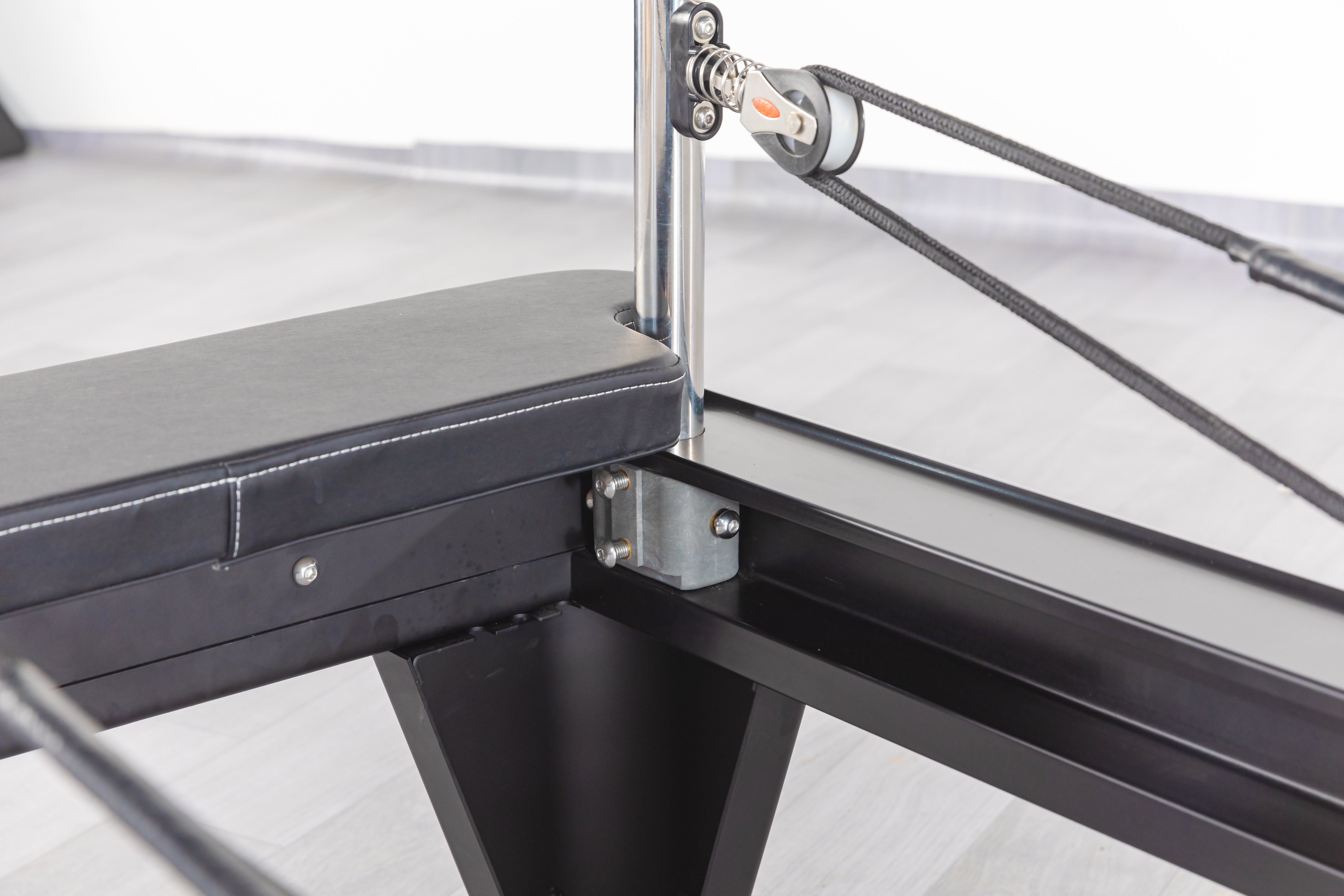
For manufacturers and distributors, this presents tremendous opportunities. Demand for professional-grade equipment comes not only from gyms and studios but also from individual users. Moving forward, product diversification (such as foldable and smart devices), customization, and digital training platforms will become crucial to industry growth.
The expansion of the Pilates market signals both opportunities and challenges. Brands that capture the wellness upgrade trend by delivering high-quality, durable, and user-friendly equipment will be best positioned to win in this competitive landscape.