


Pilates and Longevity: Scientific Evidence Meets Lifestyle
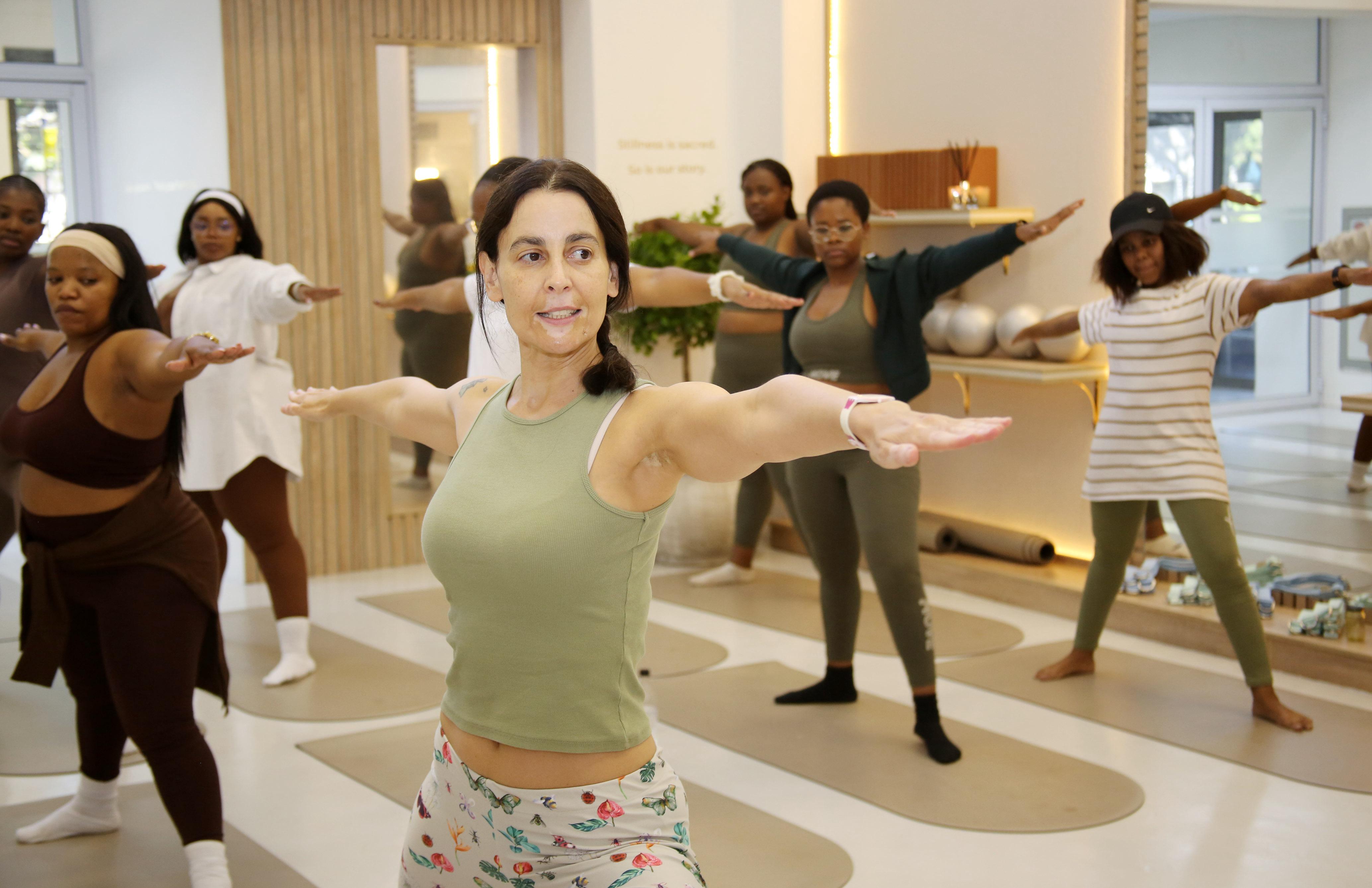
With the growing emphasis on health, the question “How can we live longer and better?” has become a universal pursuit. In recent years, scientific research has increasingly demonstrated that Pilates is more than just a workout—it is a lifestyle that can promote longevity. By regulating breathing, improving posture, and strengthening the core, Pilates offers a gentle yet highly effective approach to health management.
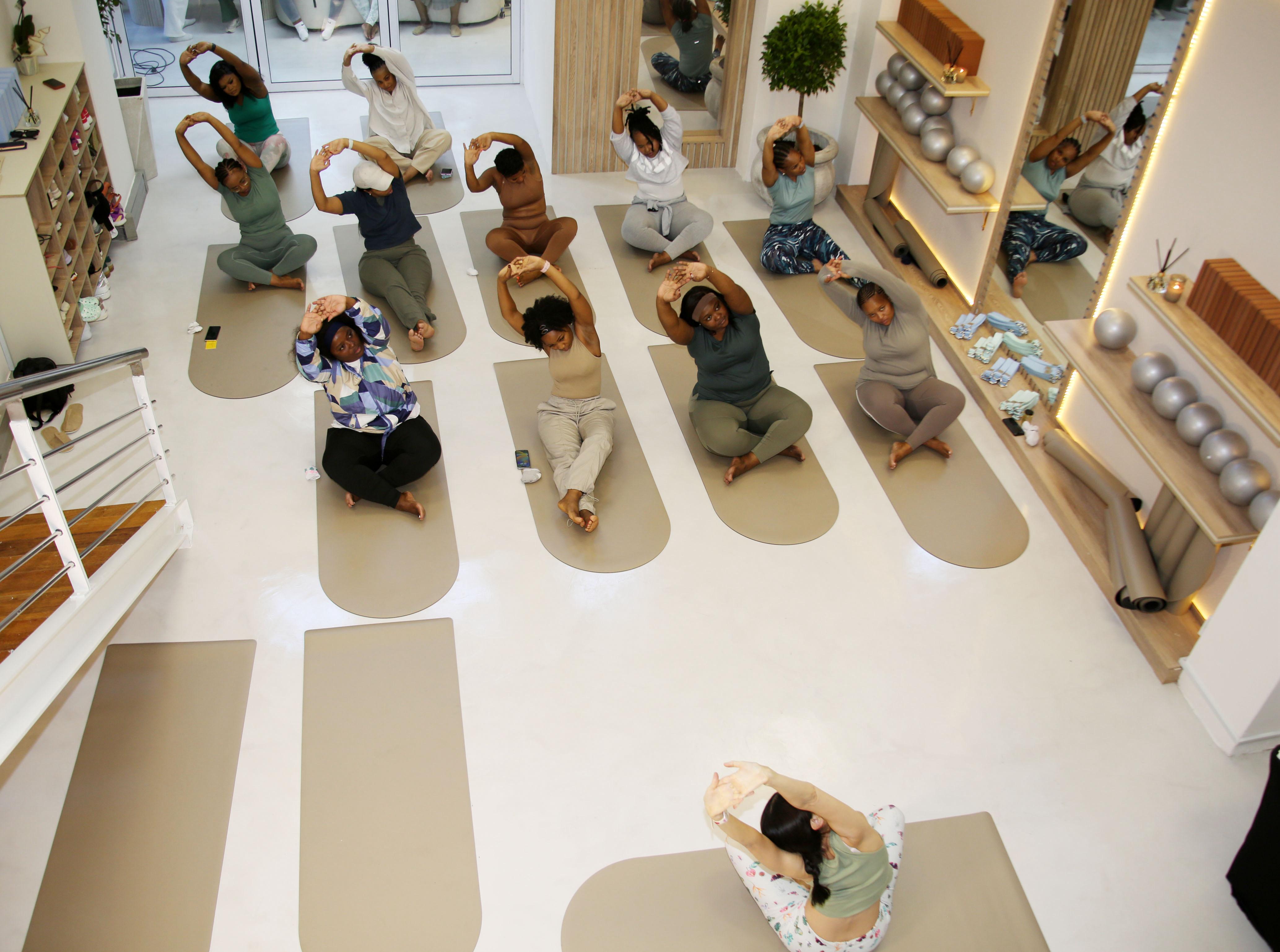
Scientific evidence suggests that regular, moderate exercise reduces the risk of chronic diseases such as heart disease and diabetes. Pilates, with its low-impact movements and minimal reliance on heavy equipment, is suitable for people of all ages, particularly older adults. It enhances core strength, supports bone density, and eases joint stress, lowering the risk of falls and delaying age-related functional decline.
On a psychological level, Pilates incorporates mindful breathing and concentration, guiding participants into a meditative state. This mind-body connection reduces stress, alleviates anxiety and depression, and indirectly boosts immunity. Long-term practitioners often report greater life satisfaction and happiness, both of which are closely associated with longevity.
Moreover, Pilates emphasizes consistency. It is not a quick-fix workout but a sustainable lifestyle. Practicing Pilates for 20–30 minutes daily, combined with balanced nutrition and good rest, creates a positive cycle that nourishes both body and mind.
In conclusion, Pilates not only helps you live longer but also ensures you live better. It represents a holistic strategy that integrates fitness, wellness, and mental healing.