


Pilates Equipment Maintenance Guide: Extend Service Life and Ensure Training Safety
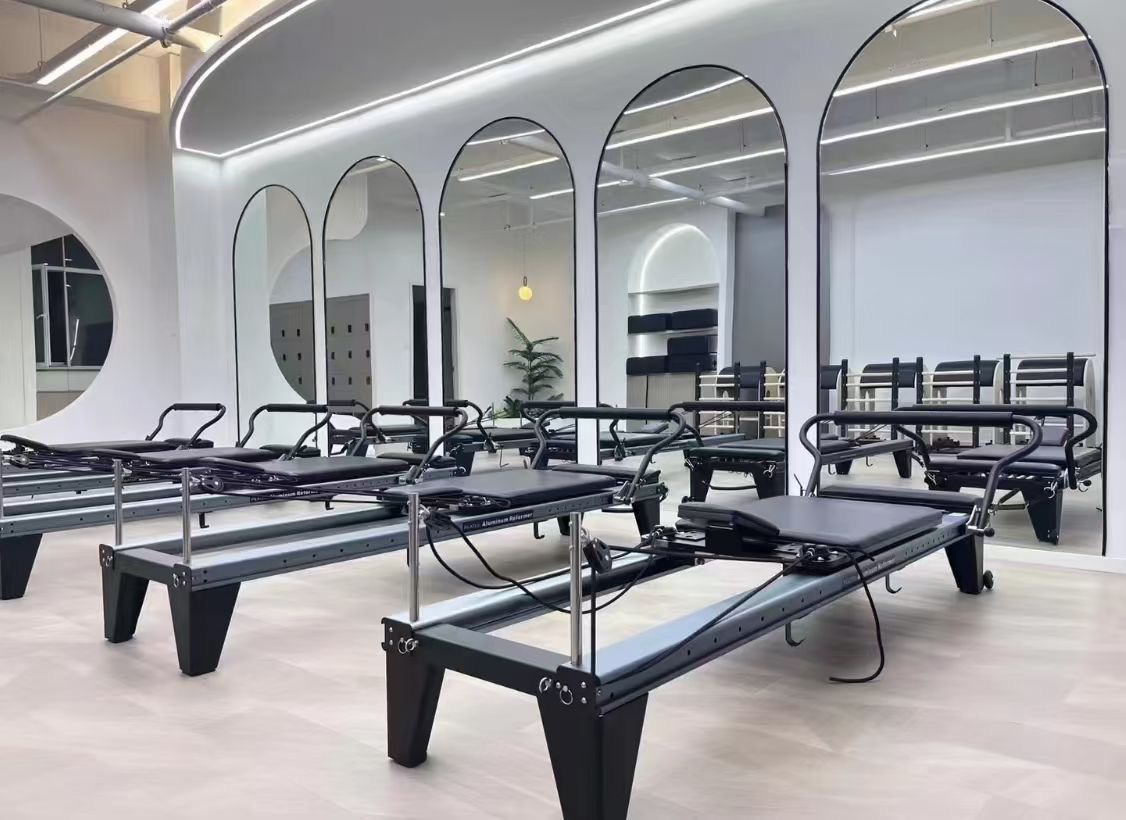
Pilates equipment (such as reformer beds, wunda chairs, ladder barrels) is an important guarantee for training effects and safety. Scientific maintenance can not only extend the service life of the equipment (usually by 3-5 years) but also avoid training injuries caused by equipment failures. Whether it is a gym or a home user, it is necessary to master the daily maintenance, regular inspection and in-depth maintenance skills of Pilates equipment to keep the equipment in a good working condition at all times.
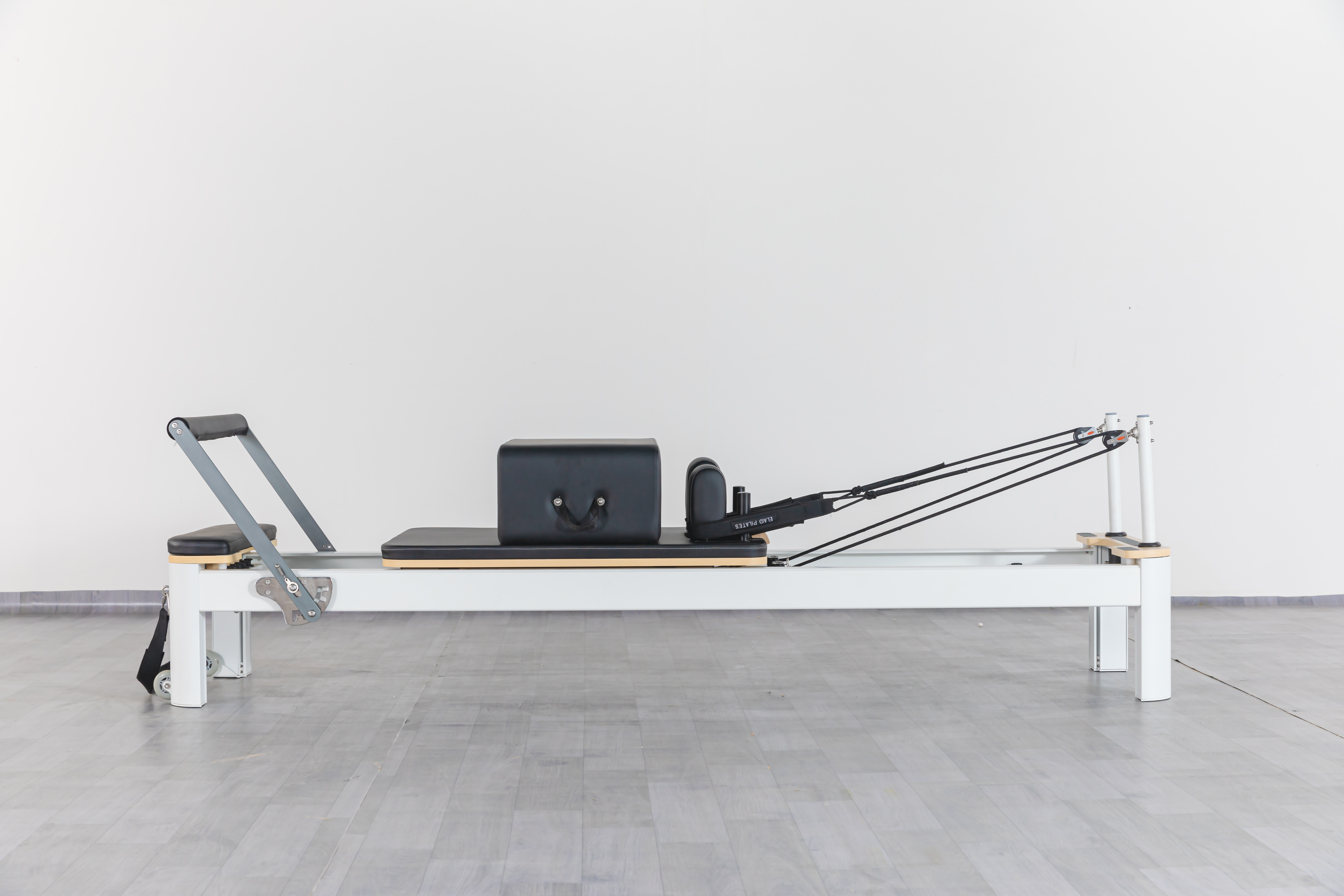
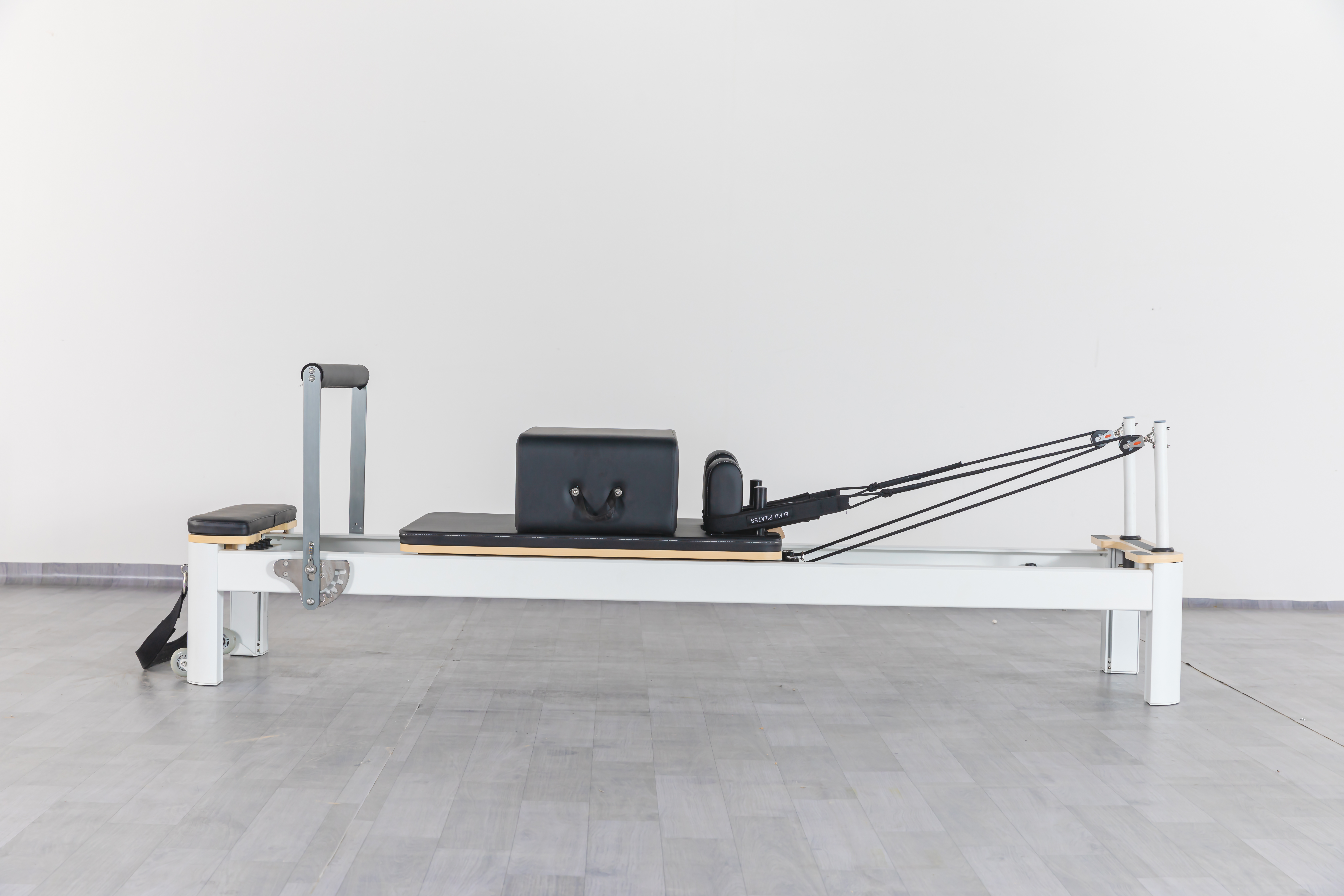
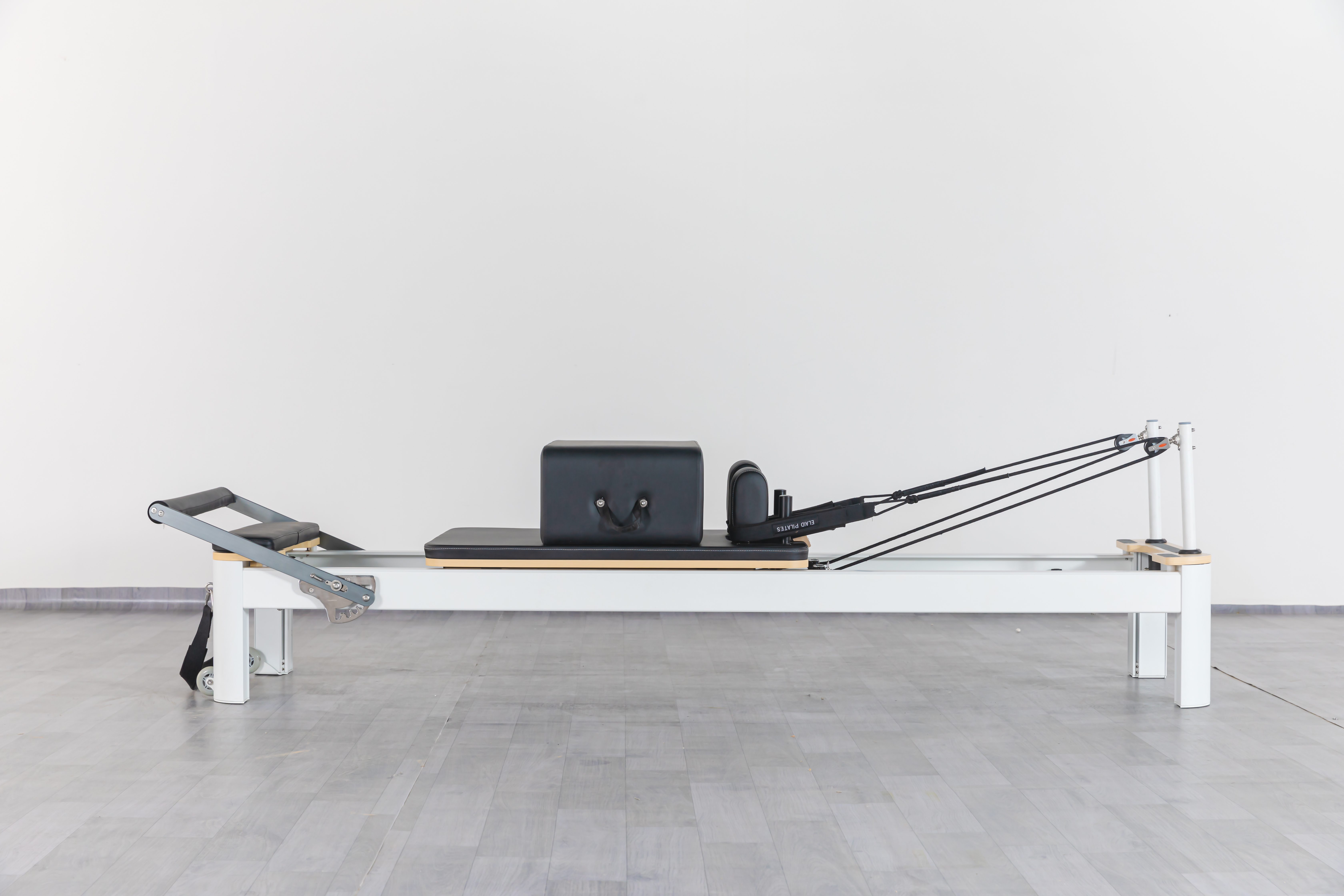
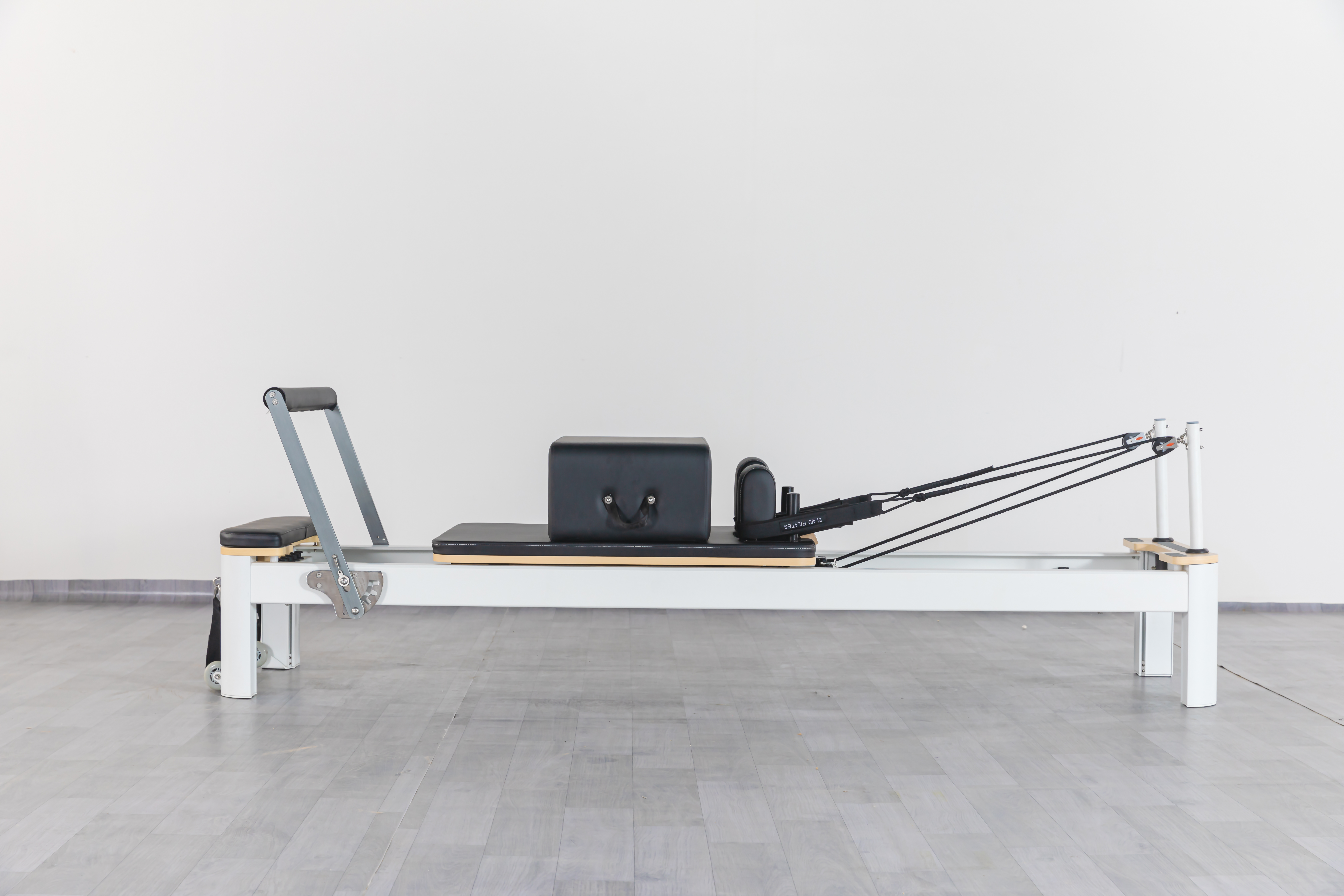
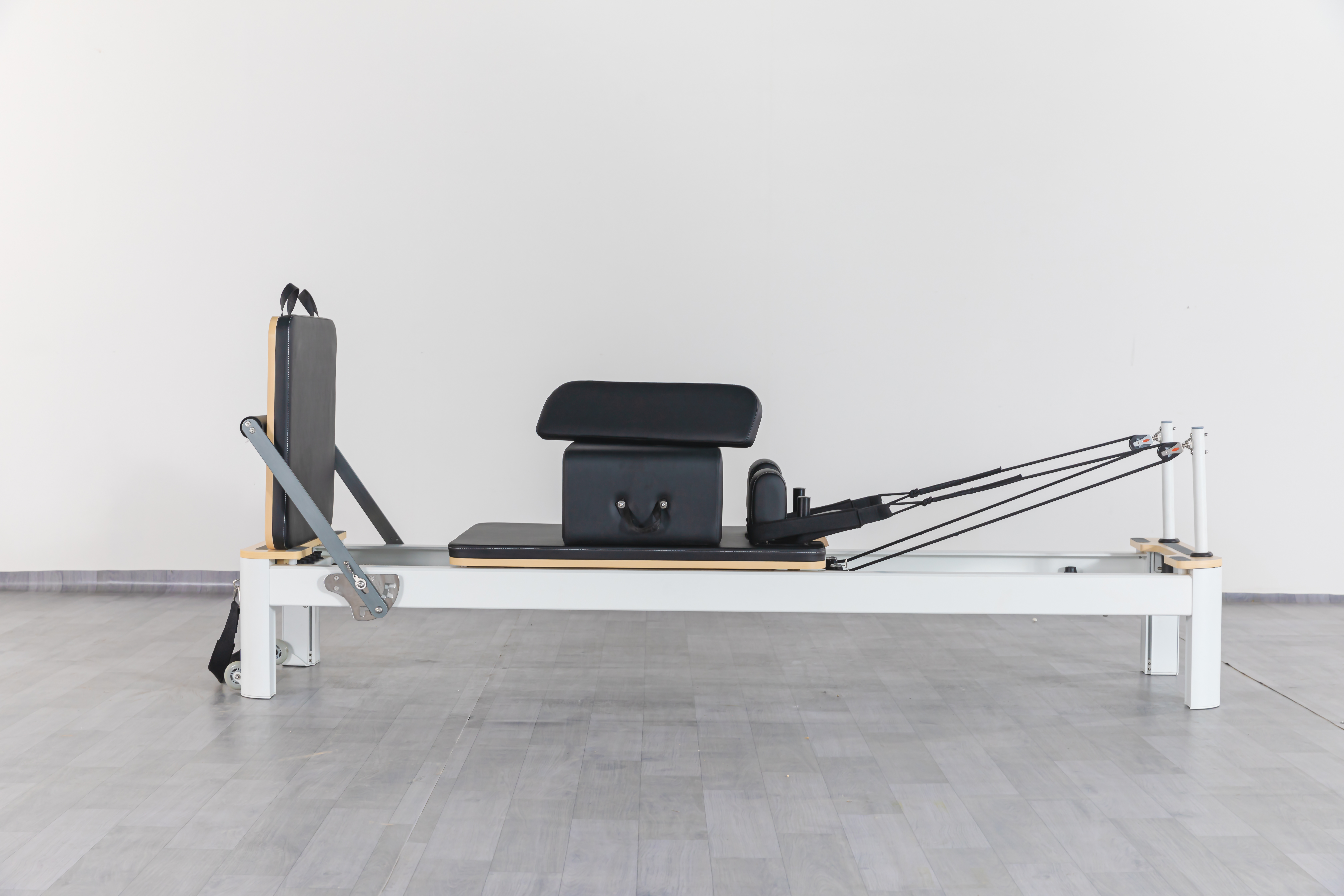
Daily maintenance is the foundation of Pilates equipment maintenance, which requires "daily cleaning and timely protection". For the sliding bed and track of the reformer bed, wipe the surface dust and sweat with a dry cloth after each use to prevent the salt in the sweat from corroding the metal parts; if there are stains on the surface (such as sports drink marks), wipe it with a diluted neutral detergent (such as dish soap, ratio 1:100), then dry it with a dry cloth to prevent the detergent residue from damaging the equipment. The leather seat of the wunda chair needs to be wiped with a leather care wet wipe every day to keep the surface smooth and avoid leather cracking; at the same time, avoid placing sharp objects (such as keys, nail clippers) on the seat to prevent the leather from being cut. The wooden parts of the ladder barrel should avoid contact with moisture, wipe with a dry cloth after each use; if the environment is humid (such as the rainy season in southern China), a dehumidifying bag can be placed next to the ladder barrel to prevent the wood from being damp and deformed. In addition, the metal connectors (such as screws, spring hooks) of all equipment need to be checked daily for looseness; if looseness is found, tighten them in time with a special wrench to avoid danger caused by parts falling off during training.
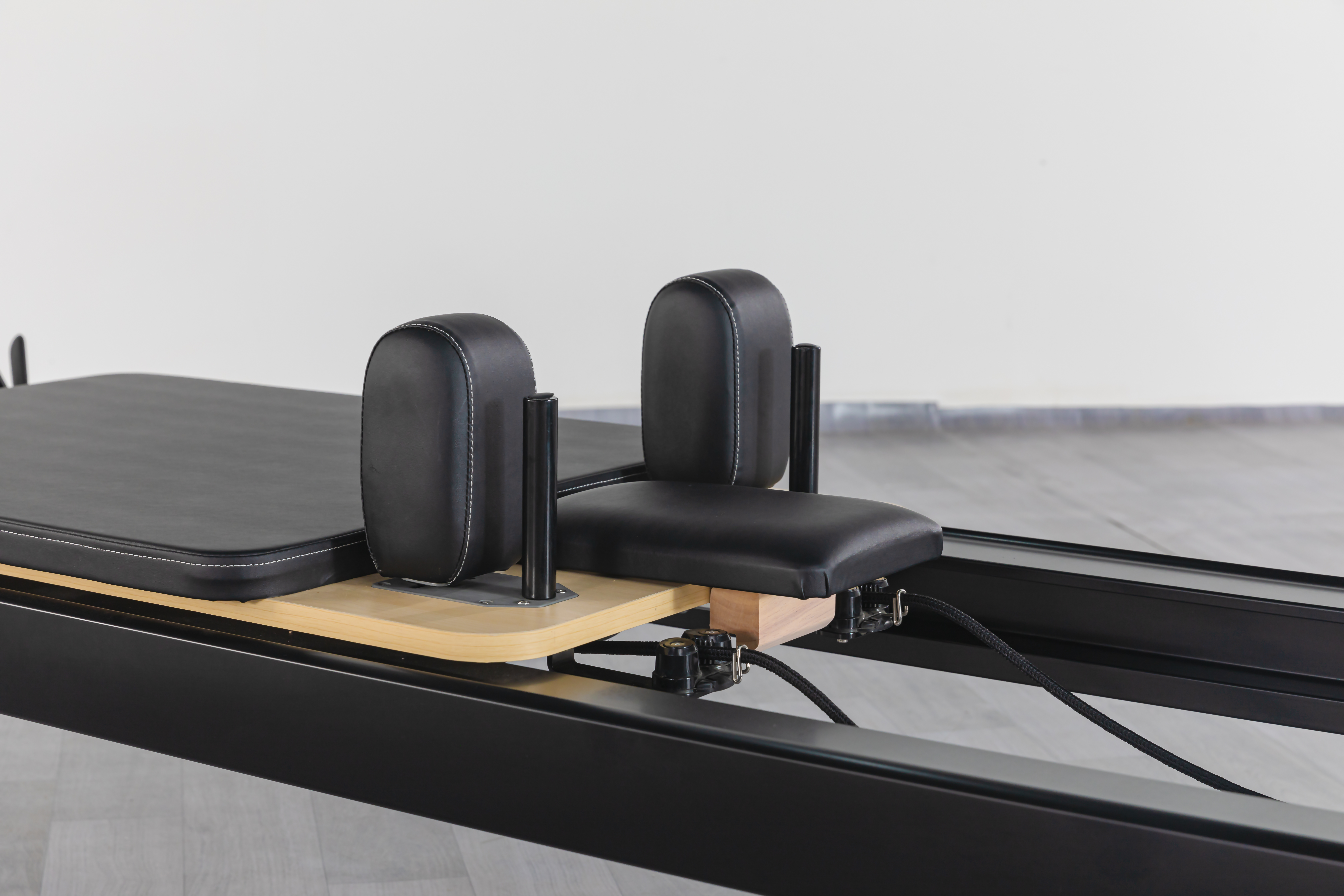
Regular inspection (recommended once a month) is the key to finding potential problems of the equipment, and focus should be on "easily worn parts". The spring of the reformer bed is a core vulnerable part, which needs to be checked for rust and fracture traces. If there is a small amount of rust on the spring surface, it can be gently polished with sandpaper and then coated with anti-rust oil; if the spring is broken or the elasticity is significantly reduced (such as the resistance suddenly becomes smaller when pushing the sliding bed), the spring of the same model should be replaced in time to avoid affecting the training effect. The hydraulic rod of the wunda chair needs to be checked for oil leakage; if oil stains are found on the surface of the hydraulic rod, turn off the equipment power (for electric models), contact professional maintenance personnel to replace the seal, and do not disassemble it by yourself. The sponge pad of the ladder barrel needs to be checked for deformation and peculiar smell; if the sponge pad is deformed, it can be taken out to dry (avoid direct sunlight) to restore elasticity; if there is a peculiar smell, a small amount of neutral deodorant can be sprayed, and then used after drying. In addition, the level instrument should be used to check whether all equipment is placed stably every month; if tilt occurs, the height of the bottom foot pad can be adjusted to correct it to prevent the equipment from shaking and causing imbalance during training.
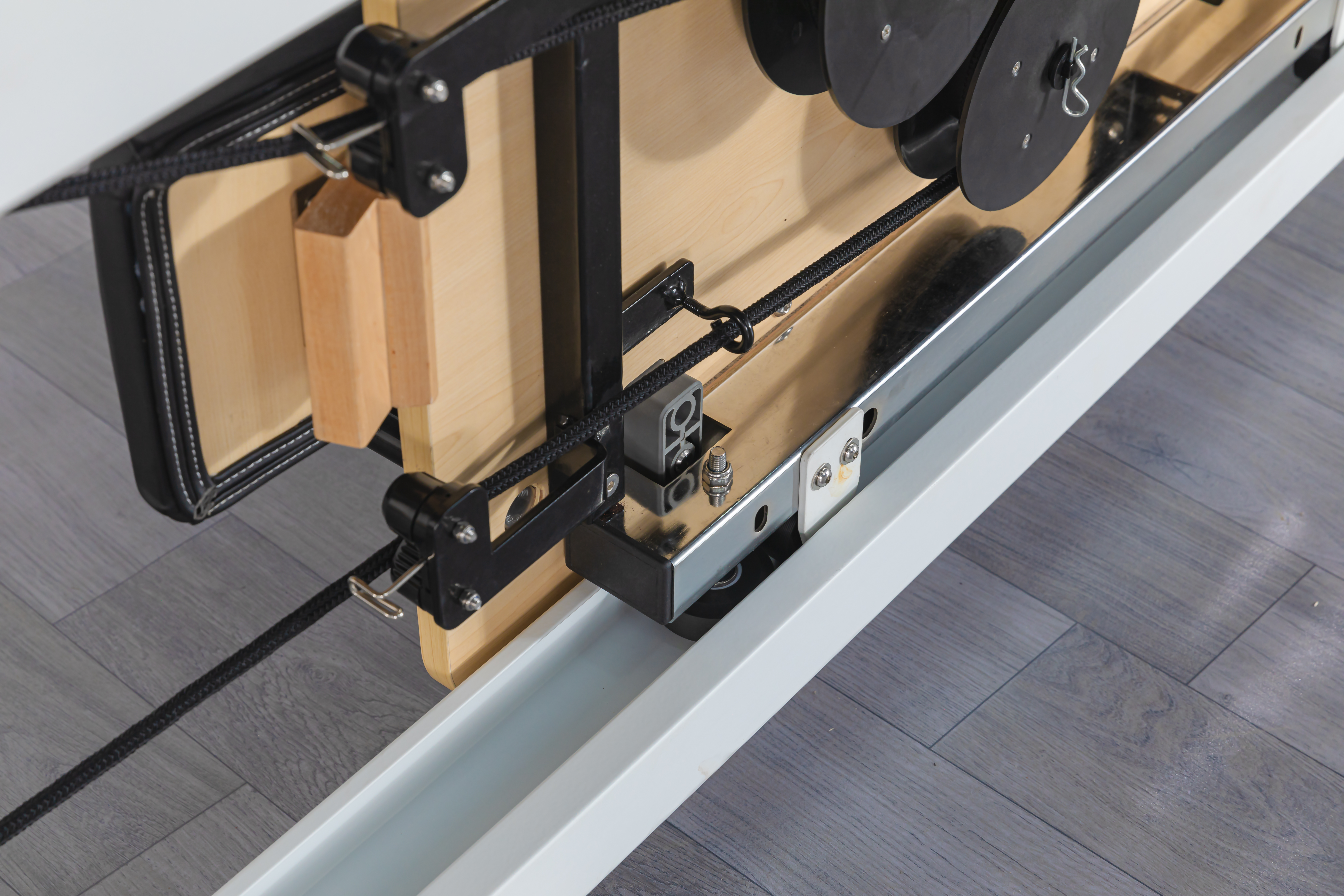
In-depth maintenance (recommended once a quarter) requires professional maintenance for the "core functional parts" of the equipment. The track of the reformer bed needs to be coated with special lubricating oil (such as silicone-based lubricating oil) regularly. First, wipe the track clean, then apply the lubricating oil evenly along the length of the track, and then push the sliding bed to move back and forth 5-10 times to ensure that the lubricating oil fully covers the track and reduces the friction between the sliding bed and the track; be careful not to use corrosive lubricating oil such as engine oil to prevent damage to the track surface. The bearing of the wunda chair needs to be disassembled and cleaned. First, remove the bearing with a special tool, rinse the dust inside the bearing with kerosene, dry it and apply bearing grease, then reinstall it to ensure smooth rotation of the bearing. The wooden frame of the ladder barrel needs to be waxed regularly (using special wax for wooden furniture). First, clean the wooden surface, then wipe it evenly with a soft cloth dipped in wax liquid, dry it and polish it with a dry cloth to enhance the wear resistance of the wood and prevent moth damage.
In addition, the storage environment of the equipment will also affect the service life, and attention should be paid to "moisture-proof, sun-proof and ventilation". Avoid placing the equipment in a position exposed to direct sunlight (such as a balcony) to prevent aging of plastic parts and fading of leather; install a dehumidifier in a humid environment to keep the indoor humidity at 40%-60%; at the same time, ensure good ventilation in the storage space to avoid dust accumulation. For home users, equipment that is not used for a long time (such as more than 1 month) should be covered with a dust cover, and the dust cover should be opened regularly for ventilation to prevent the equipment from being damp and moldy.
Following scientific maintenance methods can not only keep Pilates equipment in good working condition at all times, ensure training safety, but also reduce maintenance costs, allowing each piece of equipment to serve training for a long time. Whether it is a professional institution or an individual user, equipment maintenance should be included in an important part of Pilates training, forming a complete closed loop of "use - maintenance - inspection".