

The Science Behind Core Training in Pilates
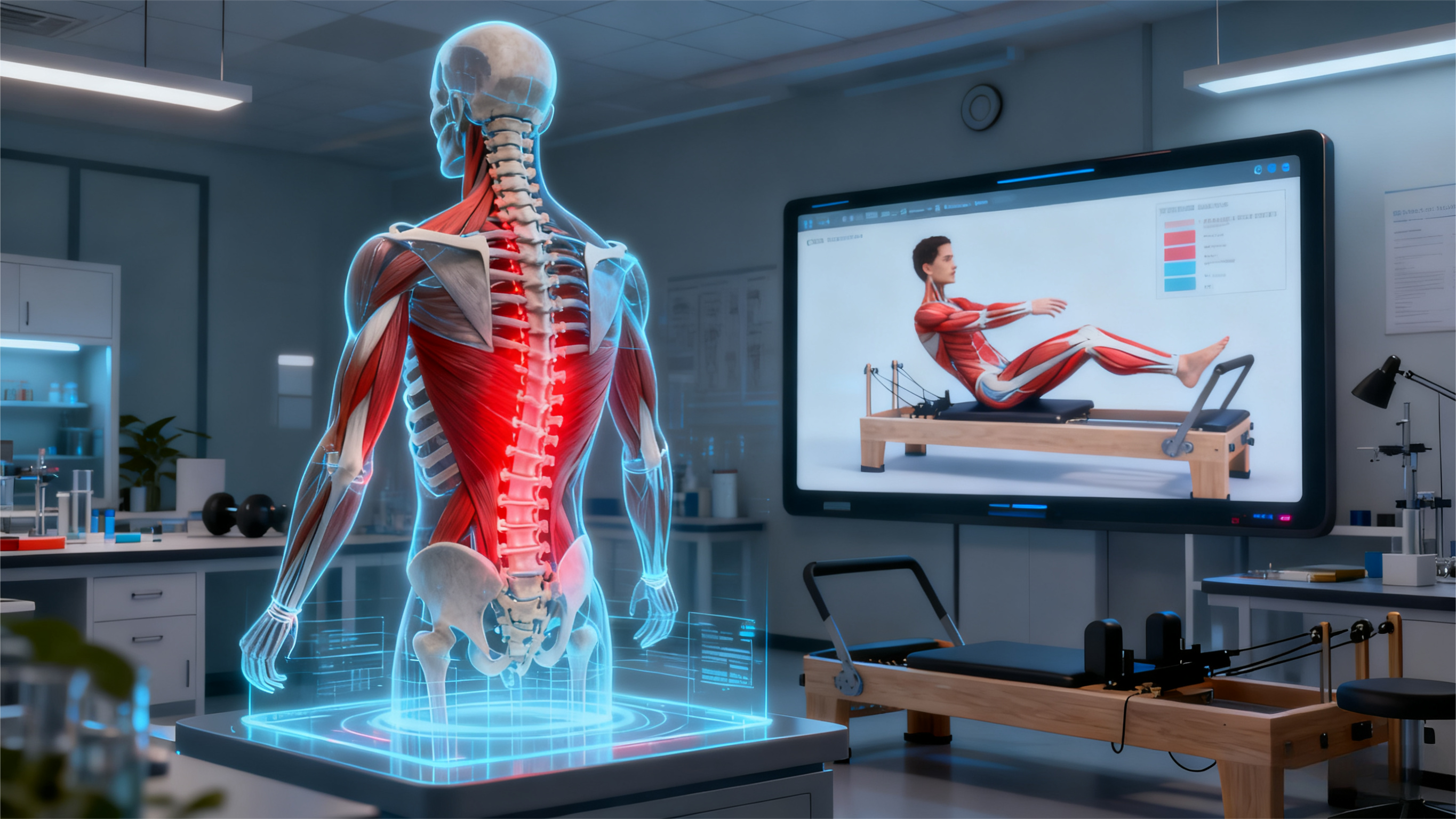
One of the core principles of Pilates is developing “core strength” to achieve stability and coordination. The core is not limited to the abdominal muscles—it includes an interconnected system of deep stabilizing muscles from the pelvis to the shoulder girdle, such as the transverse abdominis, multifidus, pelvic floor, and diaphragm. Together, they form a natural “power center” that supports the spine, protects the joints, and optimizes movement control.
Scientific studies show that Pilates training significantly enhances muscle activation in the core region, improving posture and balance. Unlike traditional strength training, Pilates emphasizes control and precision. Each movement is performed in sync with the rhythm of breathing, which helps engage the deep muscles and promotes internal stability.
Moreover, Pilates helps correct common postural issues such as kyphosis, anterior pelvic tilt, and lower back pain. Through consistent core engagement, the muscles around the spine regain strength and flexibility, leading to better alignment and posture.
Beyond exercise, Pilates is a process of body re-education. It teaches practitioners to reconnect with their bodies, using strength more efficiently and intelligently. Over time, this awareness leads to enhanced coordination, flexibility, and power.
For anyone seeking to strengthen the core and improve posture, Pilates offers a scientifically sound and effective approach.