


Pilates for Mental Health: Reconnecting Calm and Strength
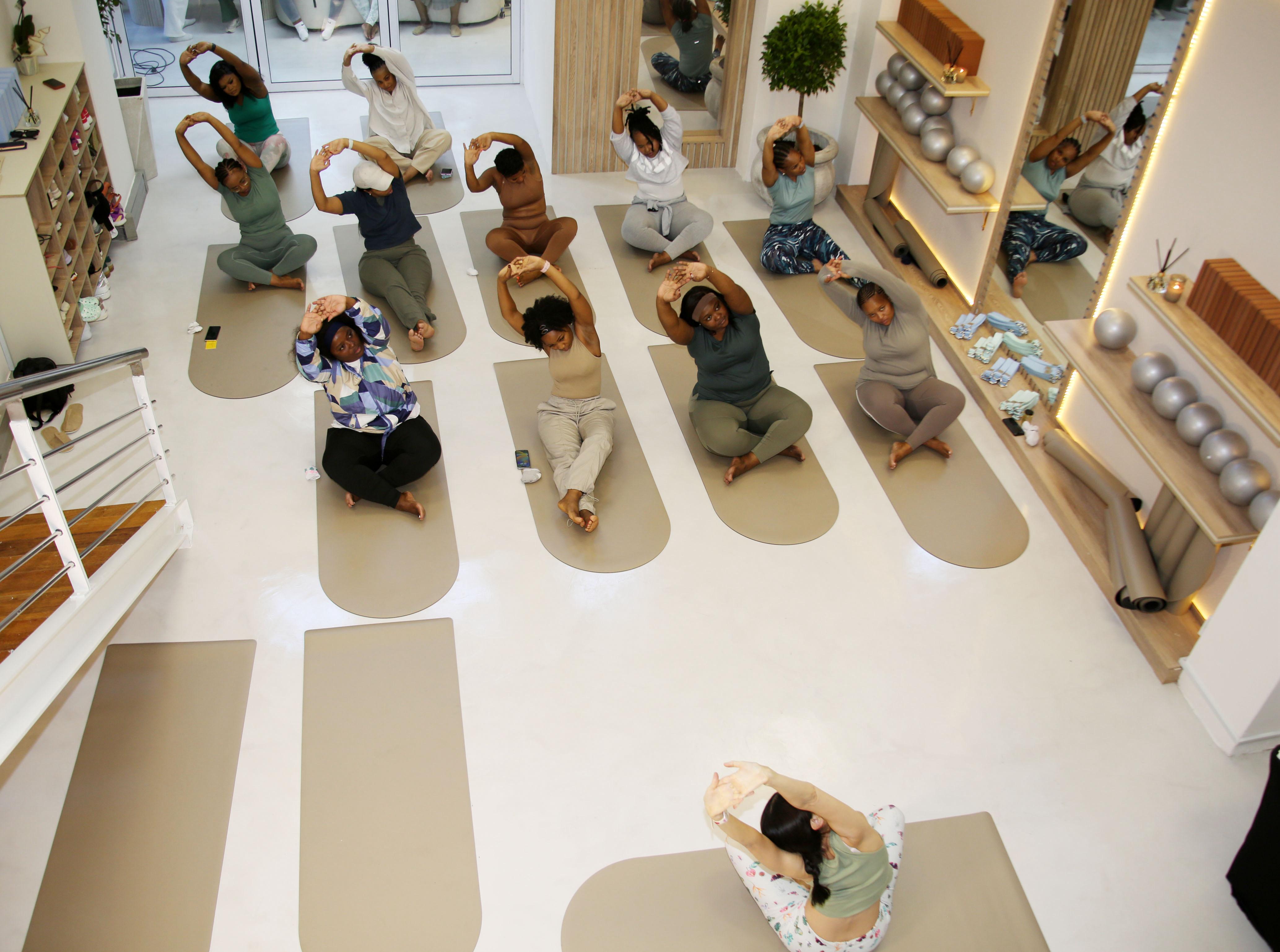
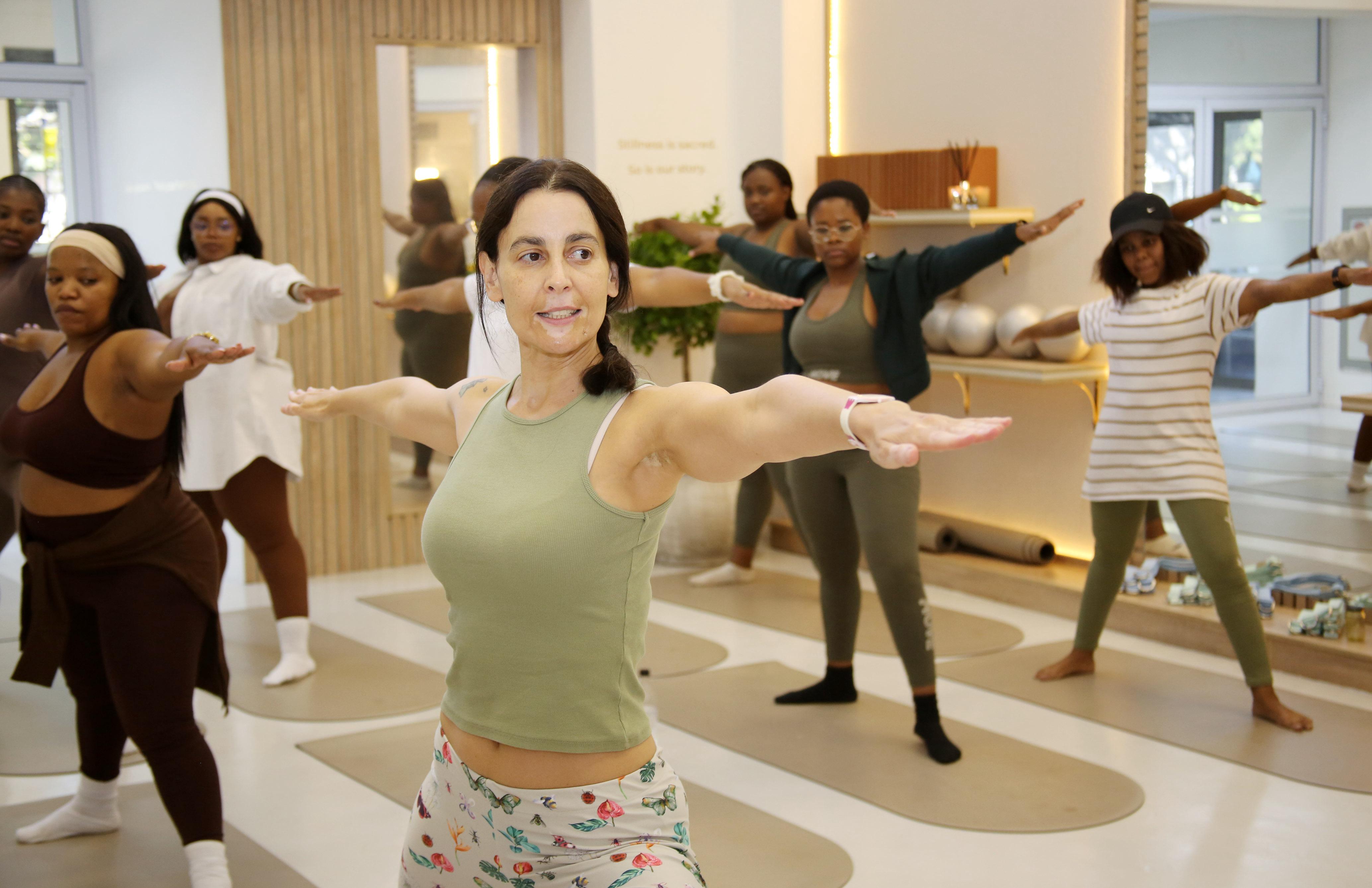
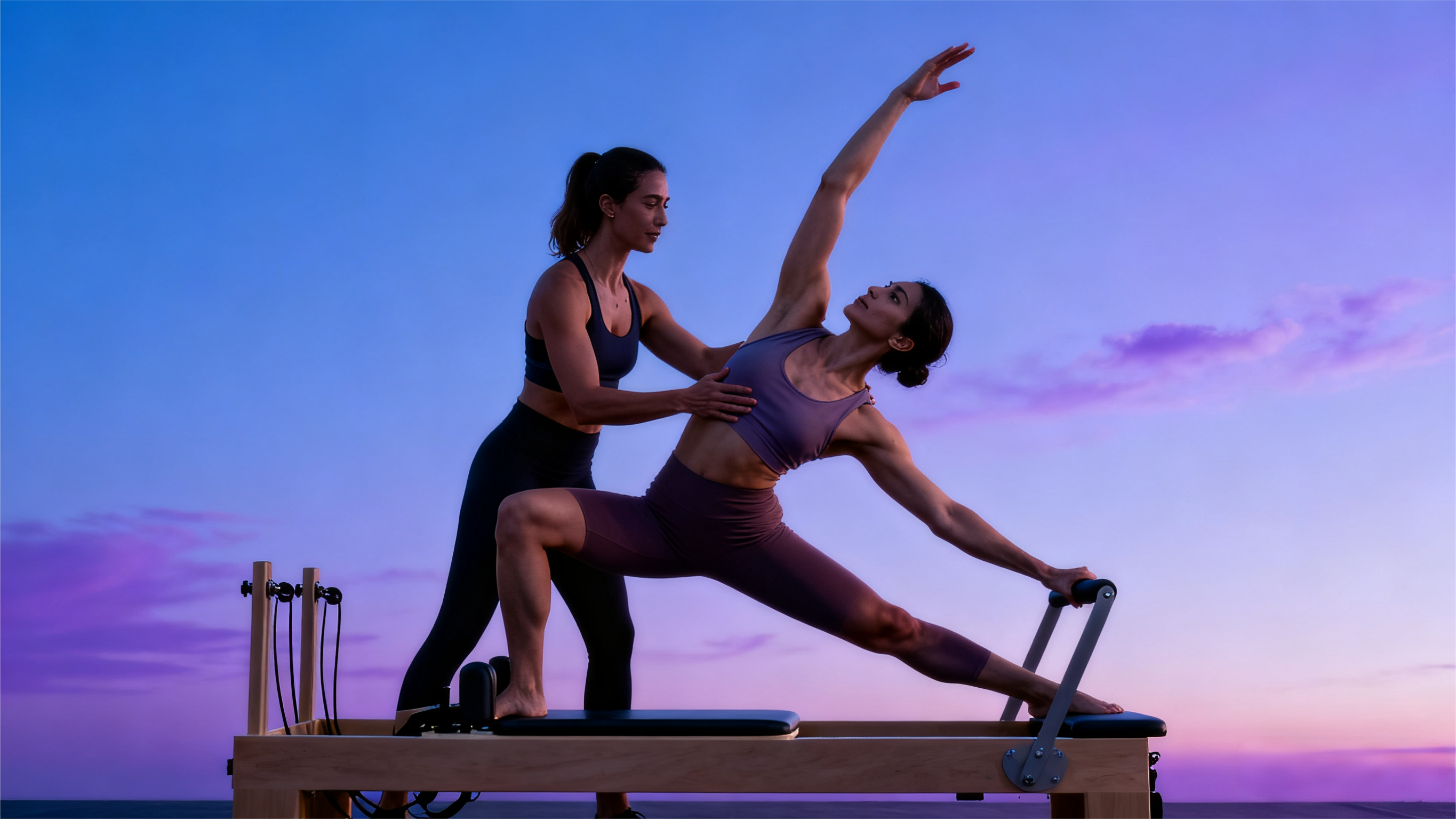
In an era where mental fatigue often outweighs physical exhaustion, Pilates offers a quiet revolution — one that begins with the body but heals the mind. More than just an exercise routine, Pilates is a form of mindfulness in motion. Each controlled movement, each intentional breath, becomes an anchor that pulls us back to the present moment.
Modern life often pushes us into a state of constant alertness. Work demands, digital overload, and emotional pressure leave many feeling anxious, scattered, and disconnected from their own bodies. Pilates creates a space to pause — to breathe deeply, to feel grounded, to reawaken a sense of inner balance.
When we practice Pilates, the mind is invited to focus on the rhythm of breath, the precision of alignment, and the flow of movement. This deliberate awareness helps calm the nervous system, lowering cortisol levels — the body’s stress hormone — while promoting serotonin production, which enhances mood and emotional stability.
Furthermore, the physical benefits of Pilates, such as improved circulation and posture, directly influence mental wellness. A strong, open body allows better oxygen flow to the brain, improving focus and energy levels. Over time, practitioners often experience reduced symptoms of anxiety and depression, alongside greater self-confidence and resilience.
Pilates teaches a vital truth: calm is not the absence of movement but the mastery of it. When body and mind move in harmony, peace becomes a practice — not a destination.