

Pilates for Posture and Spinal Health: Rebuilding the Core Axis of the Body
The spine is the body’s central pillar — a flexible yet strong axis that supports every movement we make. Yet modern life, dominated by long hours of sitting and poor posture, places enormous stress on this delicate structure. Back pain, stiffness, and even chronic fatigue often trace back to one root cause: an unbalanced spine.
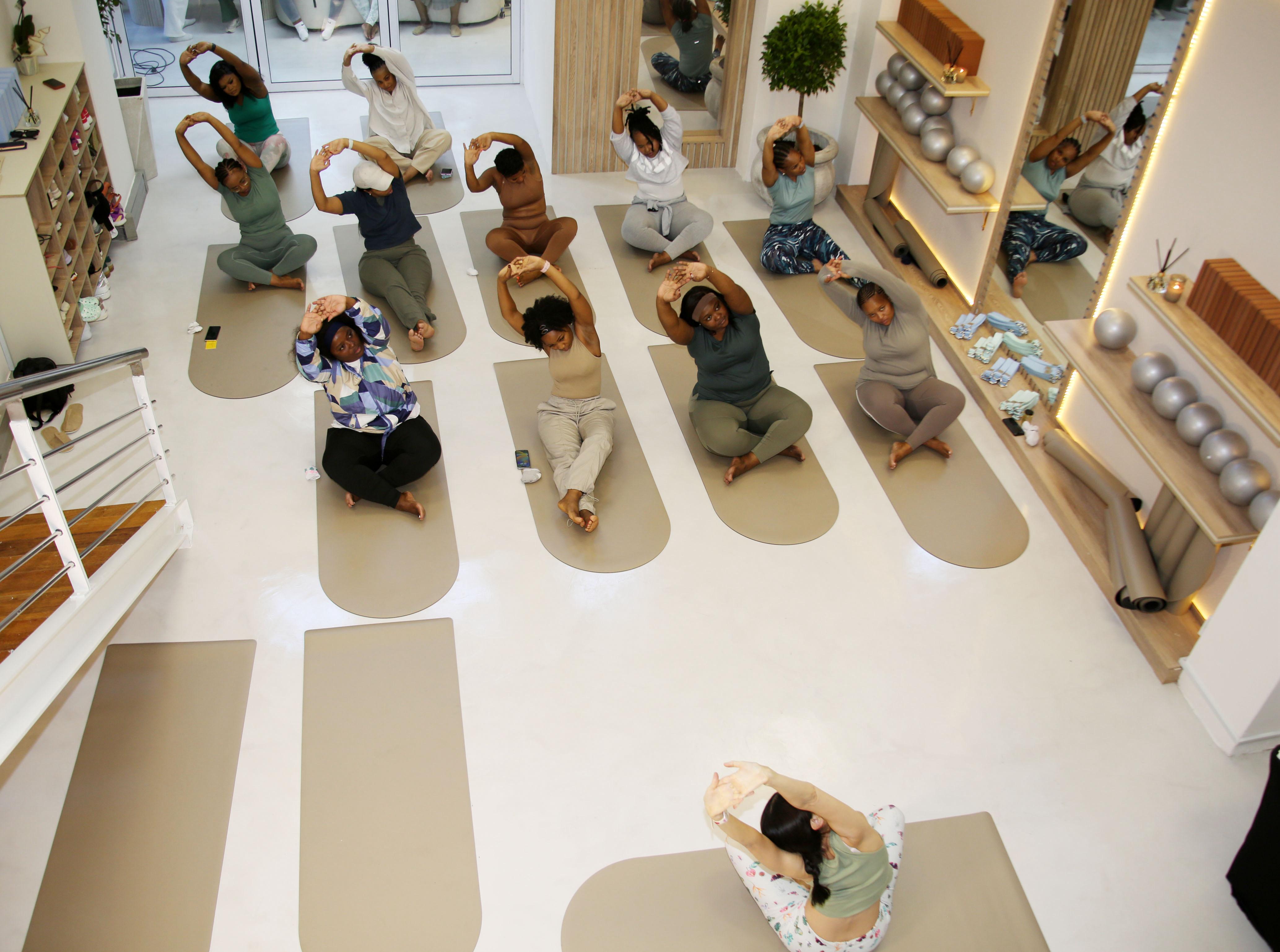
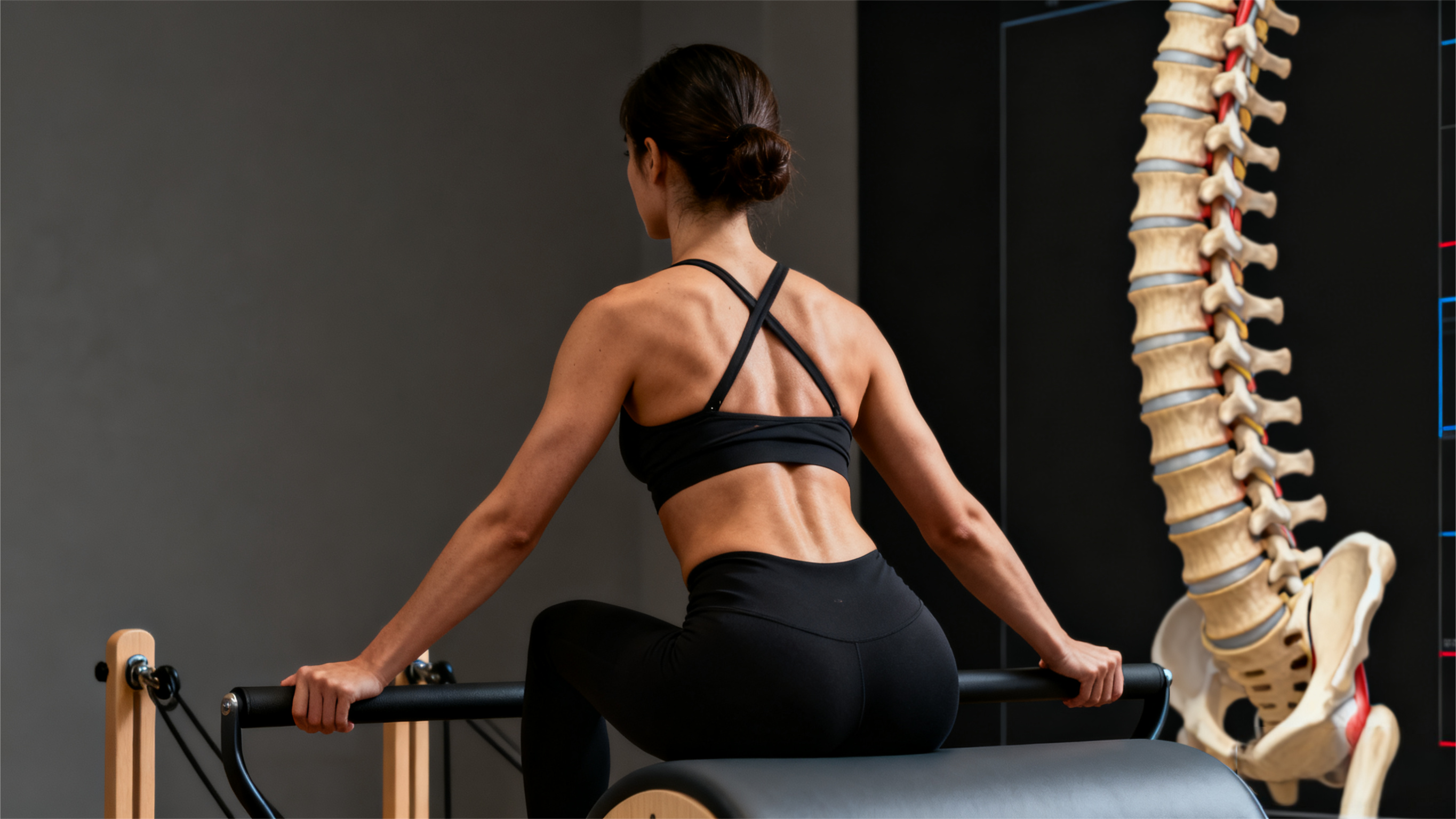
Pilates offers one of the most effective methods for restoring spinal health. Its movements emphasize core strength, alignment, and controlled articulation of the spine. Unlike traditional workouts that isolate muscles, Pilates trains the body as an integrated system — teaching each vertebra to move smoothly and efficiently.
At the heart of Pilates is the concept of the “neutral spine.” This alignment maintains the natural curves of the back, preventing excessive strain on muscles and joints. Through exercises like “spine stretch,” “shoulder bridge,” and “swan,” practitioners develop a deeper awareness of their posture and learn how to move from a strong, supported center.
Breathing also plays a vital role. Deep, lateral breathing expands the ribs and mobilizes the thoracic spine, promoting both flexibility and oxygen flow. Over time, this practice not only relieves back tension but also improves digestion, balance, and circulation.
The benefits extend beyond physical health. A stable spine translates to a more confident, upright presence — the body expressing calm and self-assurance. Pilates teaches us that good posture is not about rigid stillness, but dynamic balance — an effortless alignment born from inner strength.
When the spine stands tall, so does the spirit.