


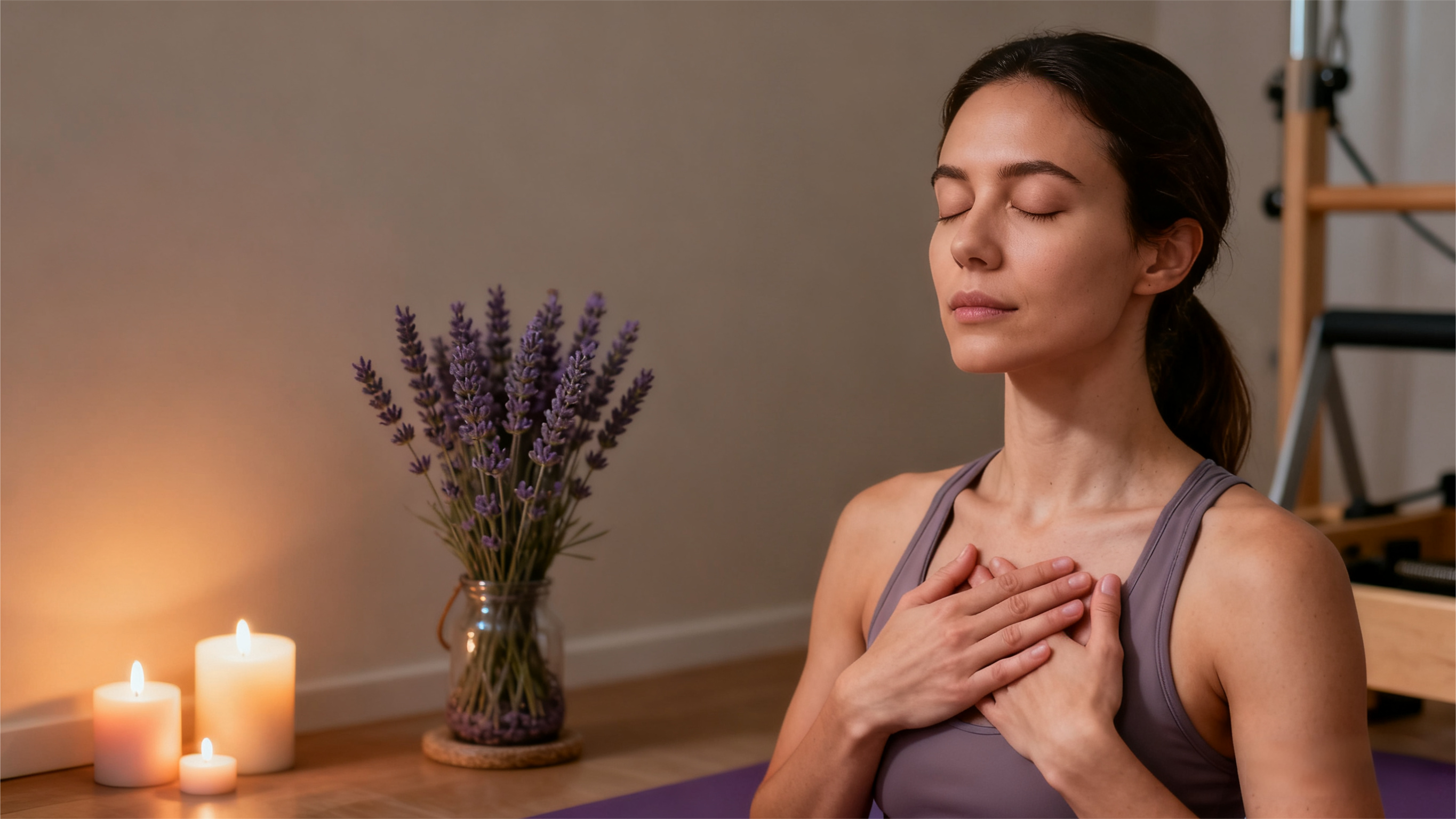
Pilates and Emotional Regulation: Letting the Body Be the Outlet for the Mind
In modern life, emotions move fast — joy, frustration, anxiety, and excitement often weave together in a single day. Many of us live so much in our heads that our bodies quietly absorb the overflow. Tight shoulders, shallow breathing, and clenched jaws often say what words can’t. Pilates, though widely known as a physical practice, is also a gentle language for emotional release and regulation.
Pilates begins with the breath — the bridge between body and mind. Conscious breathing activates the parasympathetic nervous system, helping the body move from “fight or flight” to “rest and recover.” Every controlled inhale and exhale during Pilates not only supports muscle activation but also stabilizes the emotional landscape. It’s no coincidence that people often describe feeling “lighter” after a session — it’s both a physical and emotional truth.
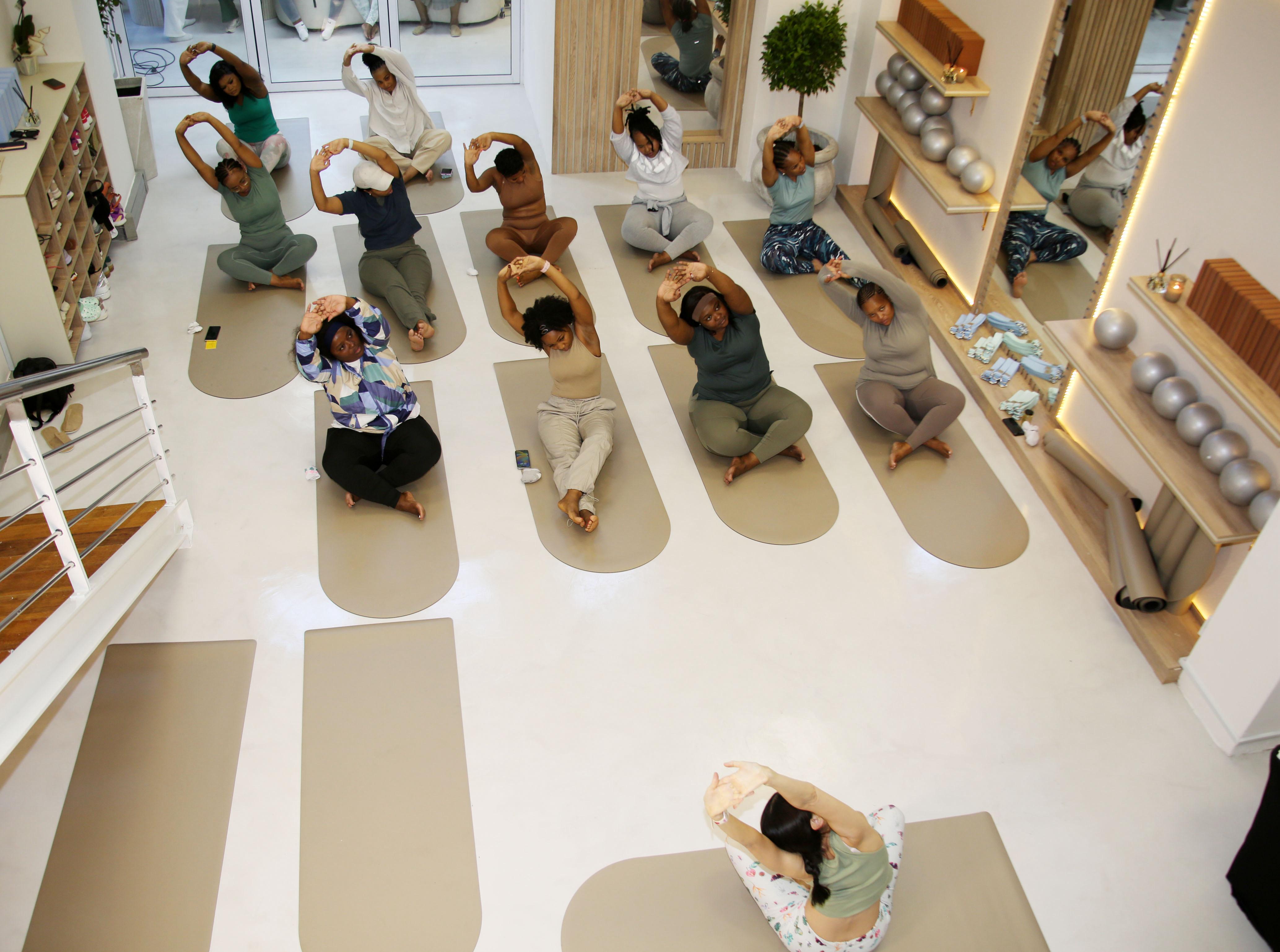
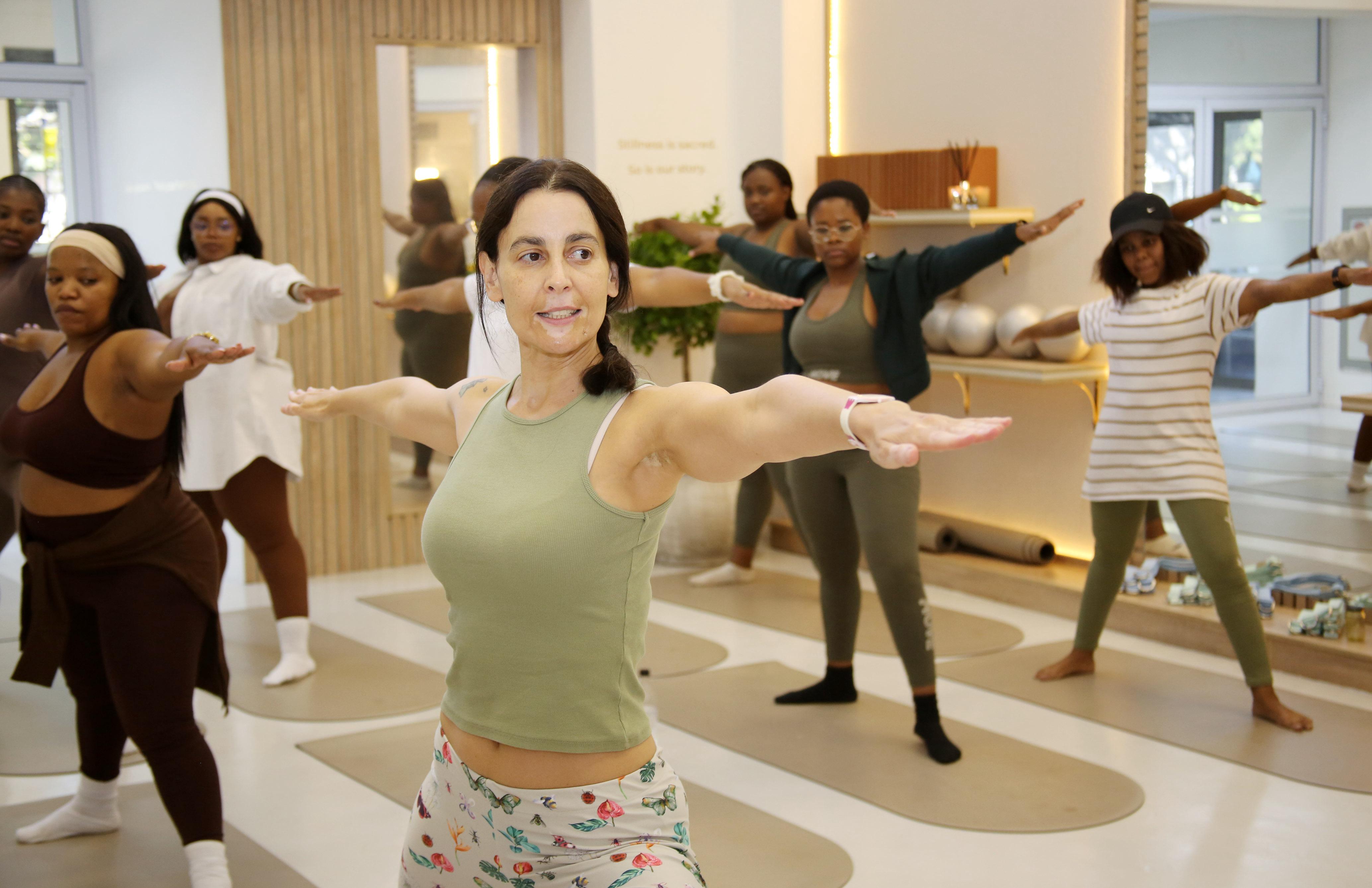
Through precise movement and mindful control, Pilates helps reconnect us with the body we often ignore when we are emotionally overwhelmed. As tension dissolves from muscles, mental knots begin to loosen as well. The practice encourages presence: instead of escaping difficult feelings, we observe them with calm awareness. Over time, this cultivates emotional resilience — the ability to stay steady amid chaos.
Pilates is not about perfection; it’s about balance. Emotional regulation doesn’t mean suppressing feelings but allowing them to flow safely through movement and breath. When we strengthen the core, we strengthen not just our body’s center but also our emotional foundation — the place where calm and confidence reside.
In a world full of noise, Pilates offers a quiet way to return home to yourself — one breath, one movement, one release at a time.