

Pilates for Recovery and Rehabilitation: The Power of Rebuilding Through Movement
Recovery is not just about healing the body — it’s about rebuilding trust in movement, rediscovering strength, and regaining confidence. Whether after injury, surgery, or chronic pain, many people struggle with fear of re-injury or limited mobility. Pilates offers a bridge between physical therapy and full functional fitness — a method that restores not only the body, but also the mind.
Developed originally as a rehabilitation system for injured soldiers during World War I, Pilates has deep roots in recovery science. Its controlled, low-impact movements strengthen the muscles that support the joints, improving stability without strain. This makes it ideal for people healing from back pain, joint issues, postural imbalances, or surgeries.
A key principle in rehabilitation Pilates is mindful control — precise, small movements that retrain the body’s neuromuscular patterns. By focusing on alignment and breath, practitioners re-educate the body to move efficiently again. Unlike aggressive workouts that risk overuse injuries, Pilates nurtures awareness, coordination, and gradual progression.
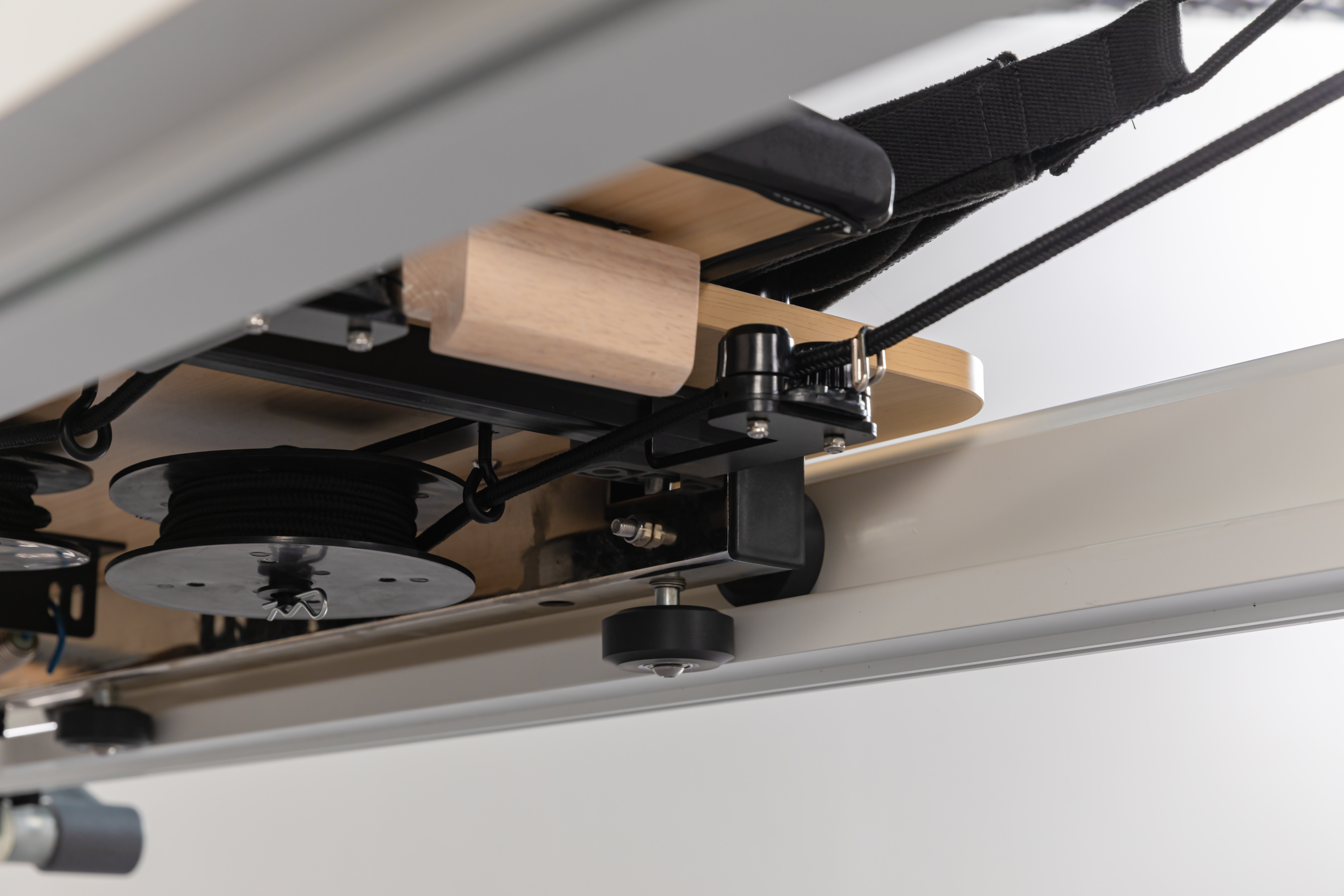
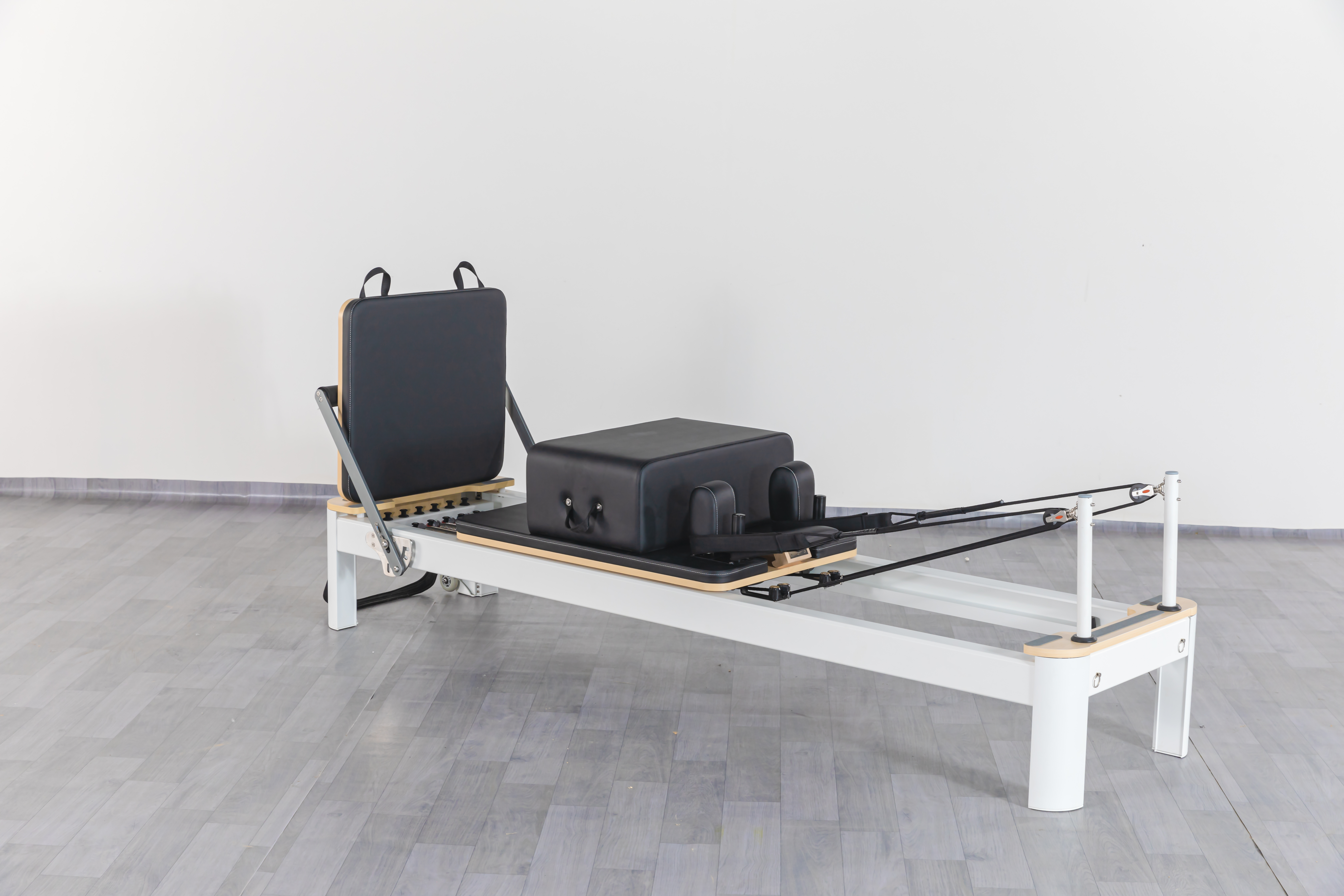
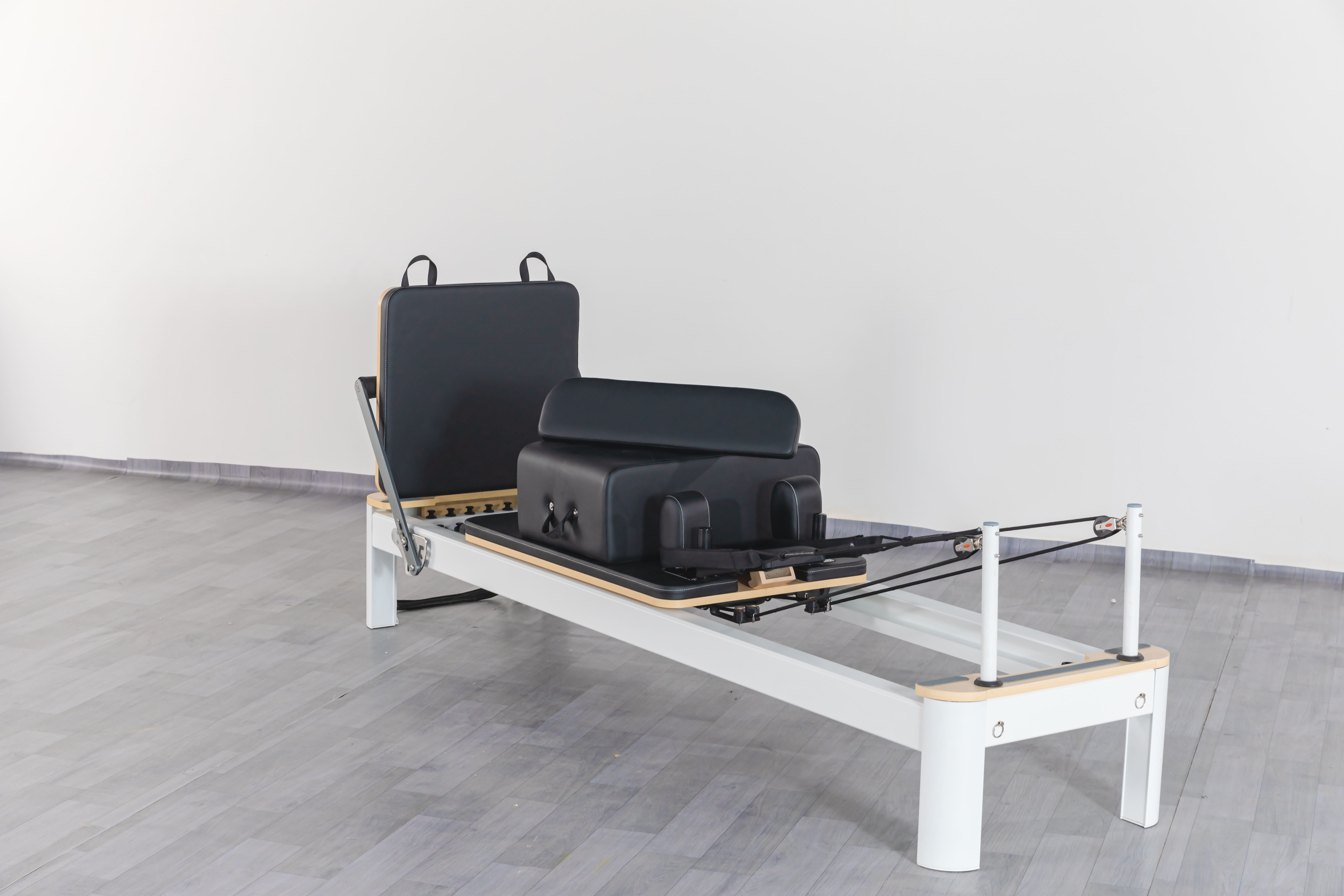
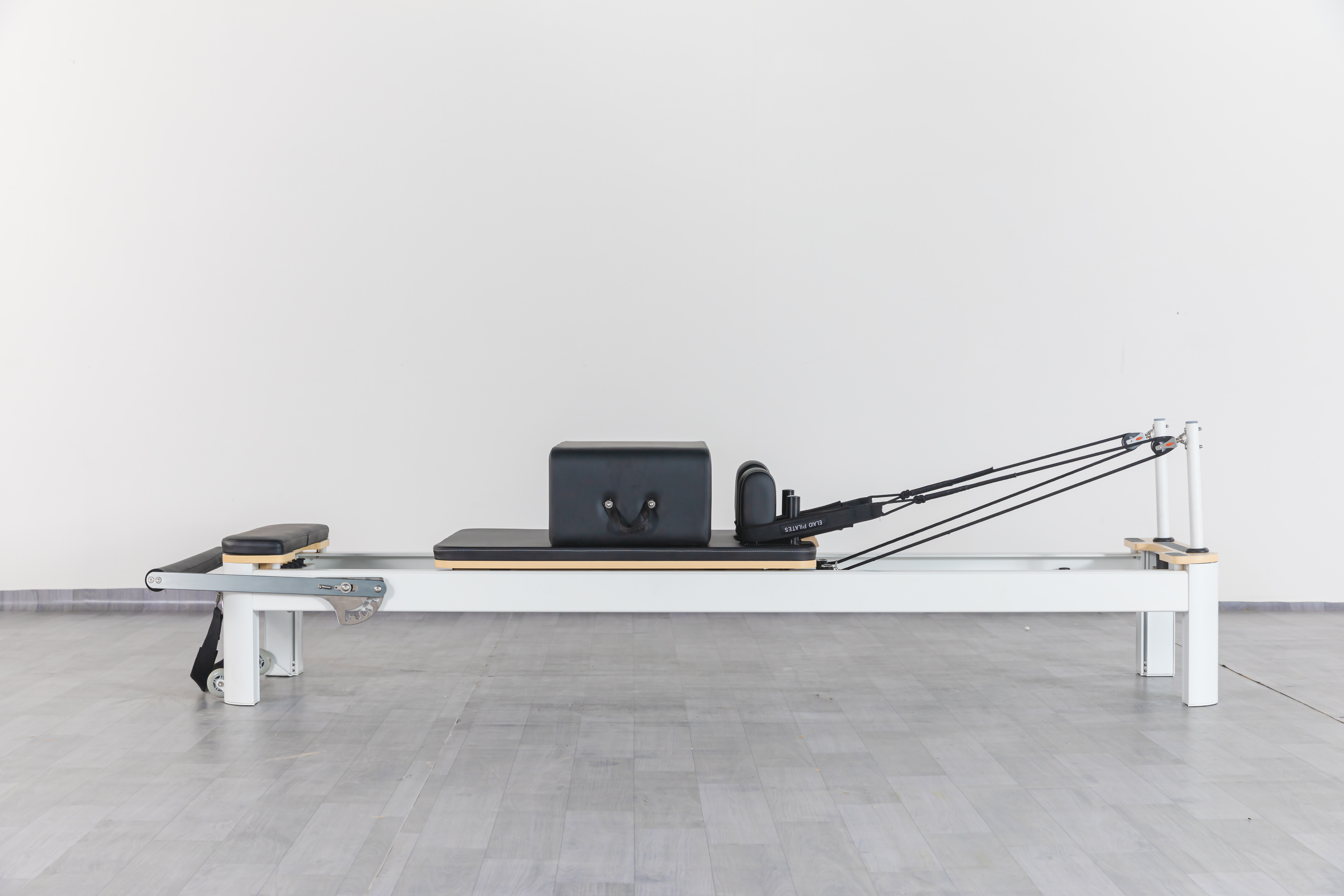
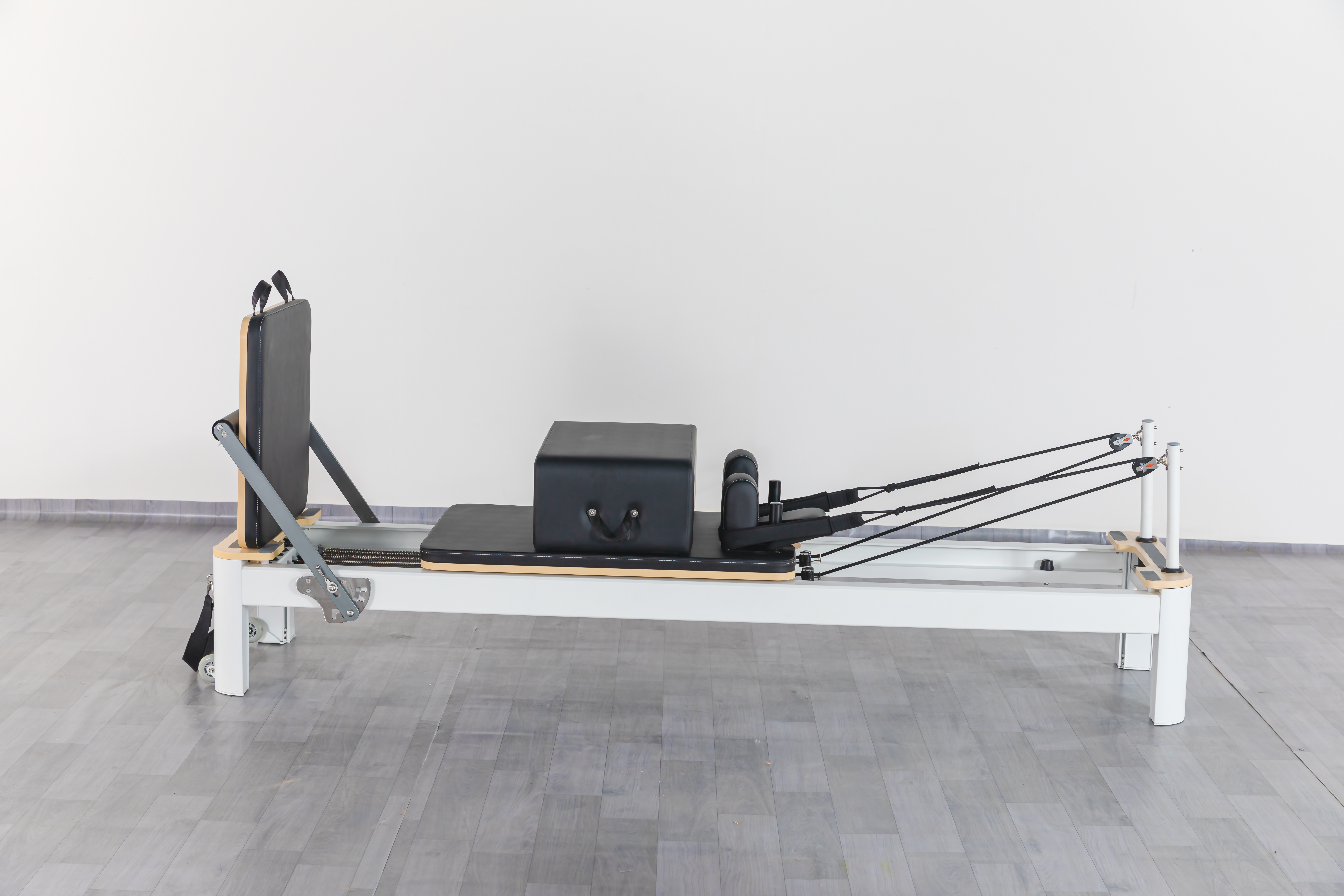
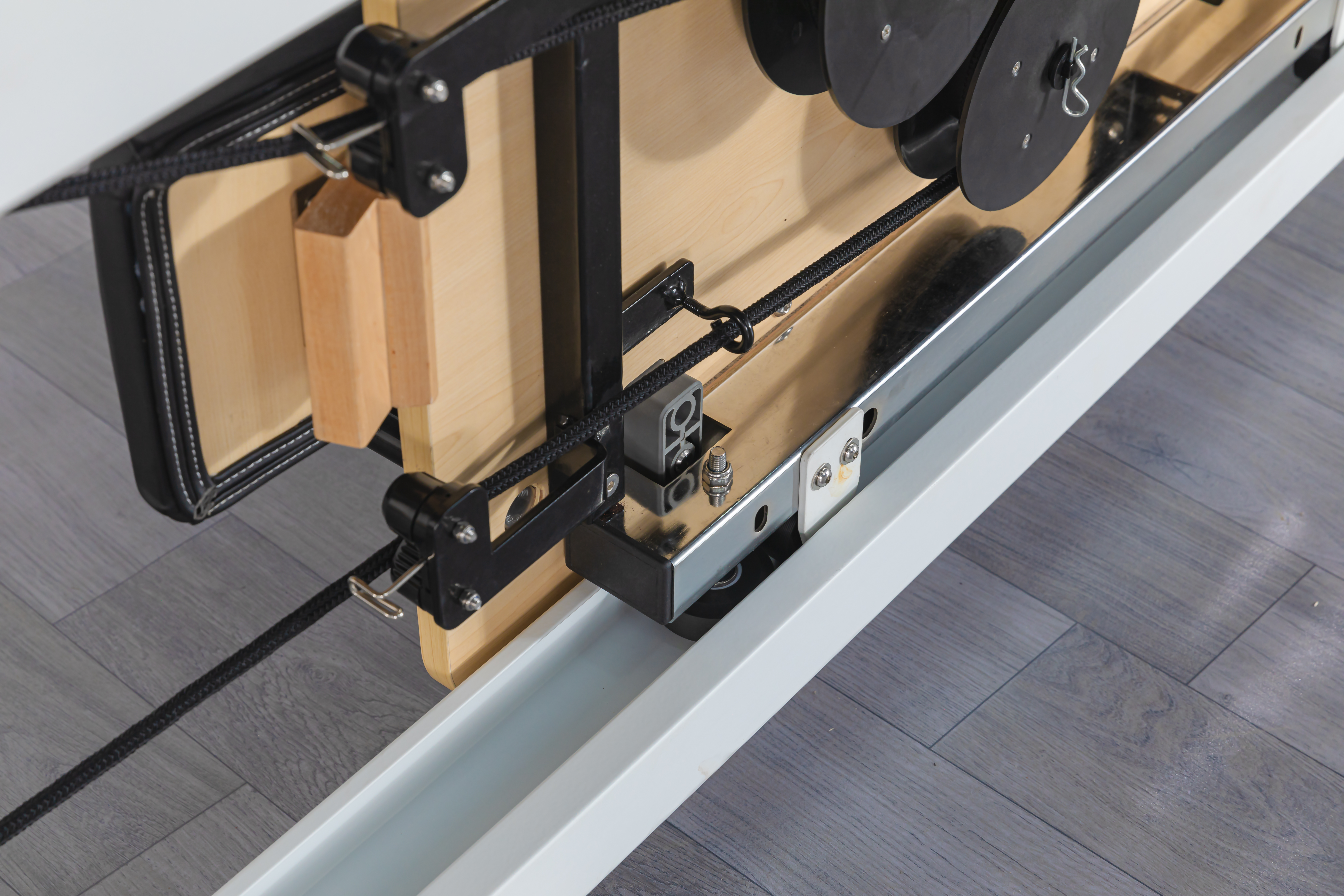
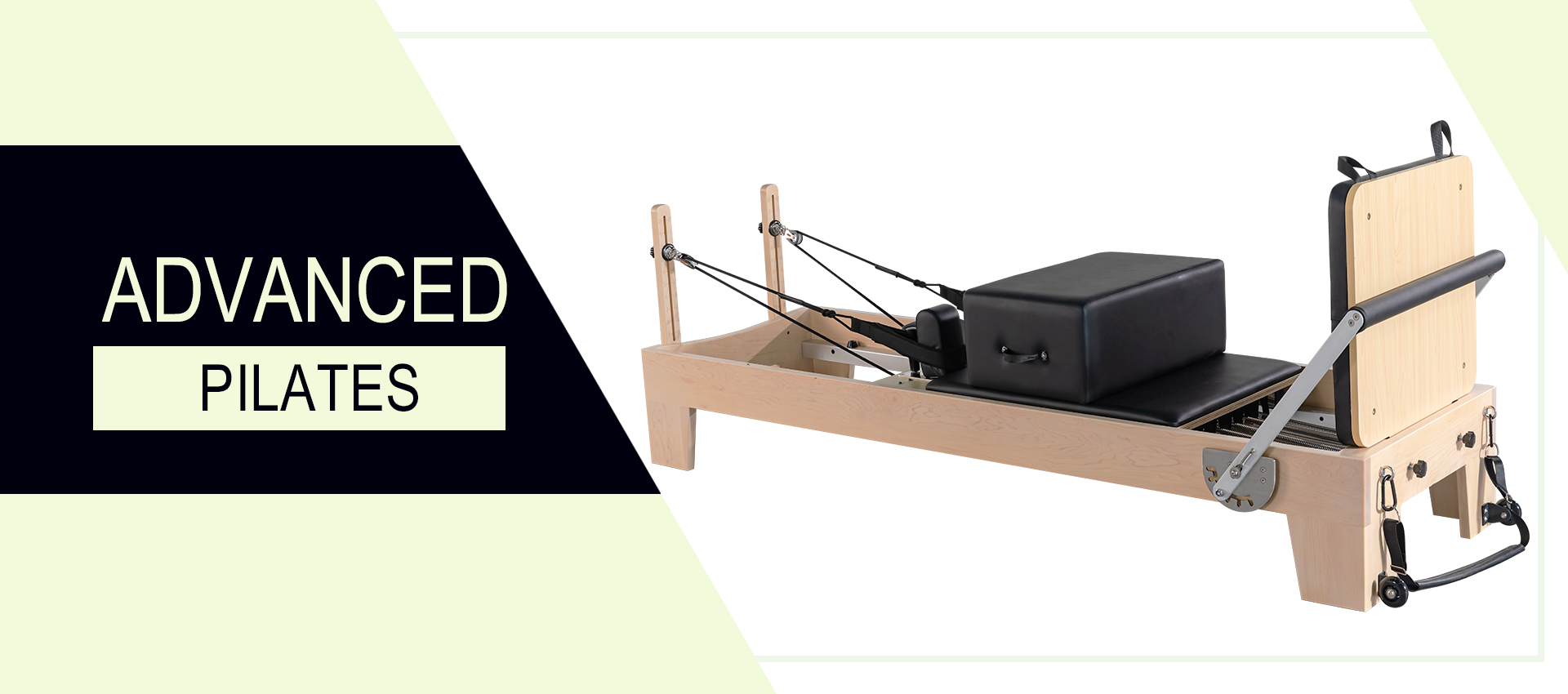
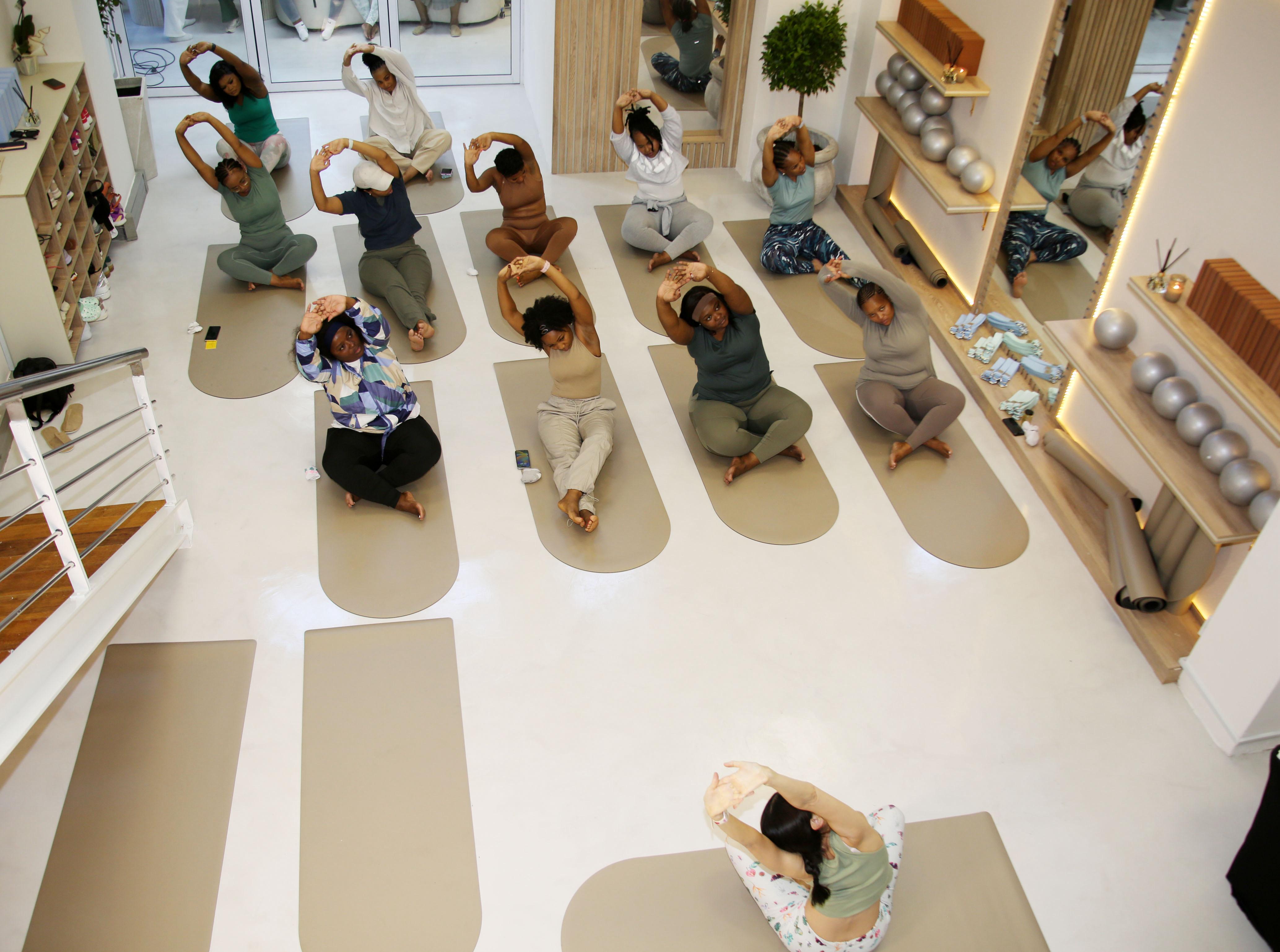
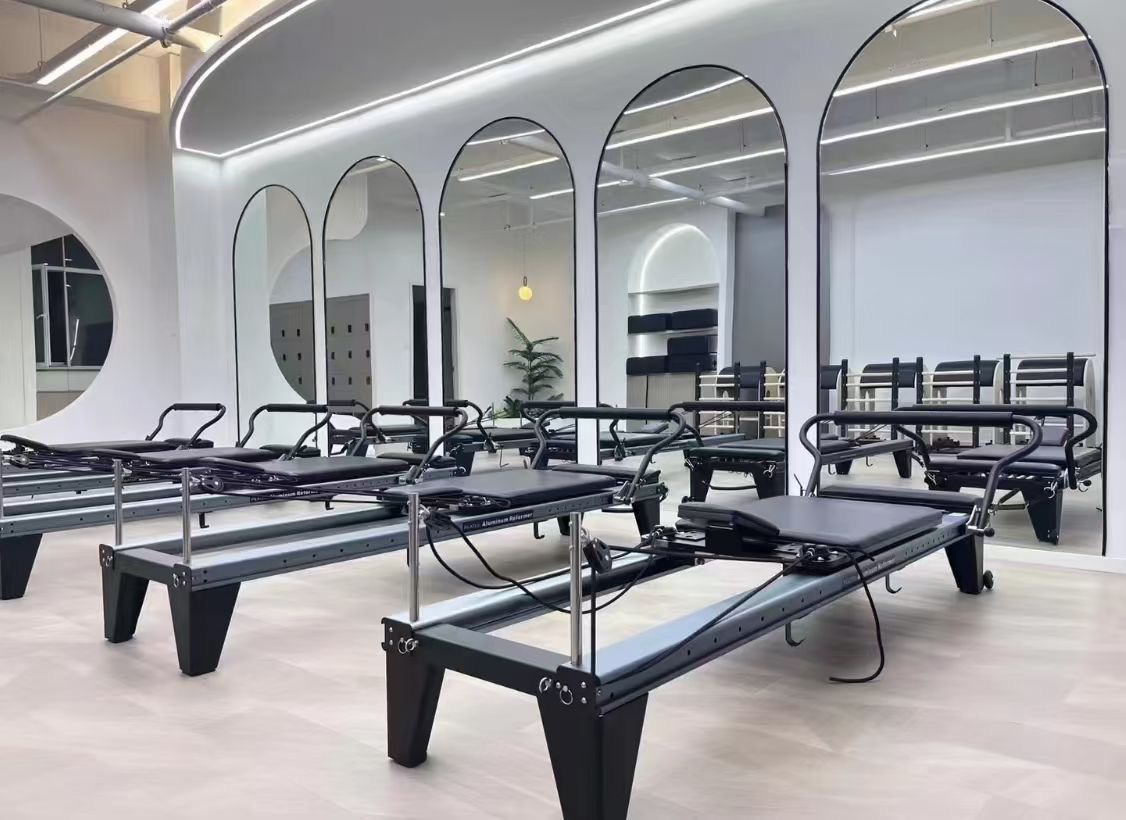
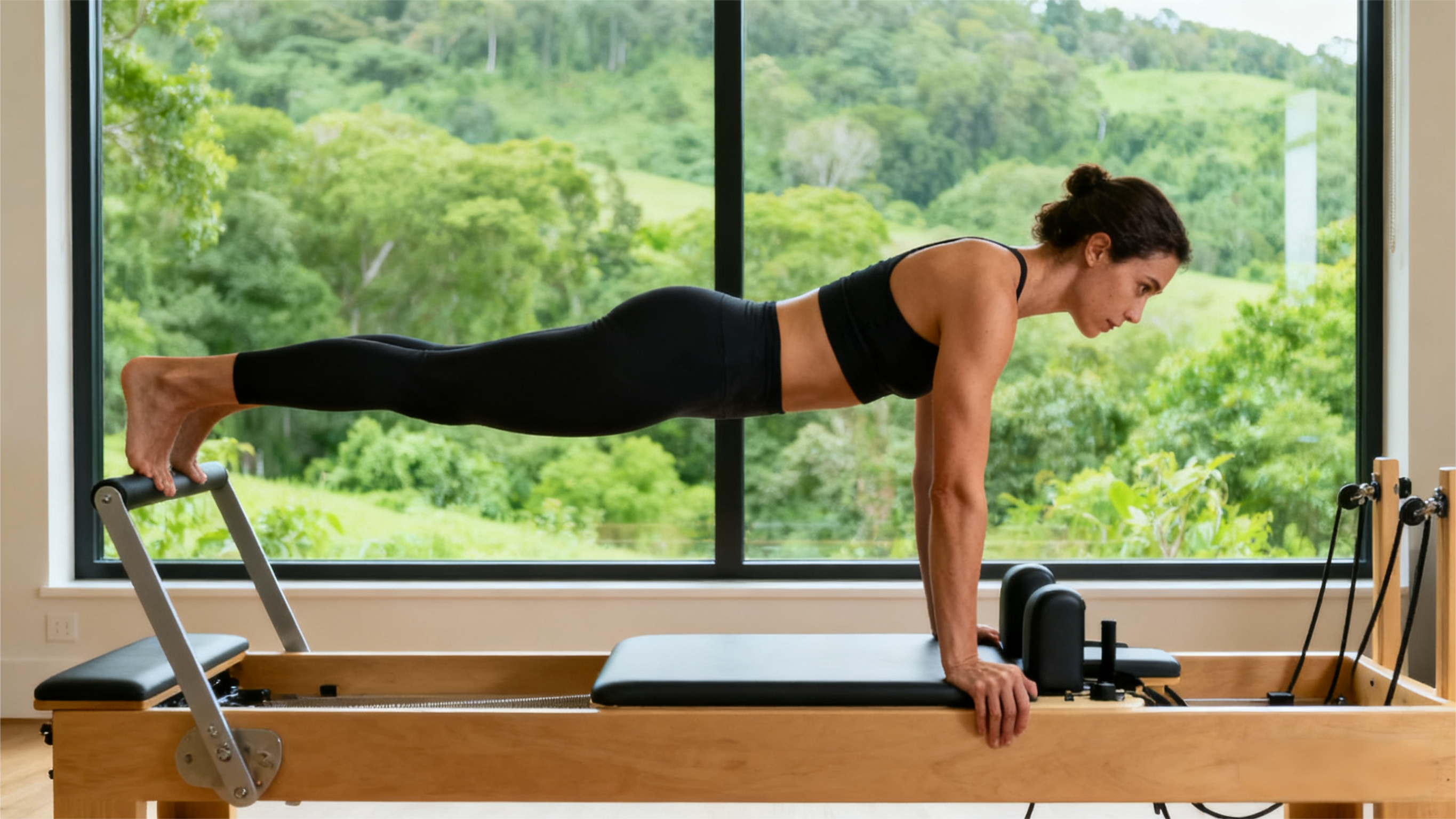
Another strength of Pilates in recovery lies in its adaptability. Exercises can be modified for any condition — performed on the mat, reformer, or with small props to support movement. This makes it a versatile tool for physical therapists and clients alike, suitable for all stages of healing.
But perhaps the greatest gift of Pilates rehabilitation is emotional. Moving without pain rekindles confidence and freedom. Each session becomes a reminder that the body is resilient — capable of recovery, renewal, and rediscovery.
Healing is not about going back to who you were; it’s about becoming stronger than before. Pilates is that journey — from fragility to power, from limitation to liberation.