

Pilates Home Gym Layout and Planning
With the rise of home fitness, more people are looking to create compact gyms at home, and Pilates equipment layout and planning have become essential. A well-designed space not only enhances the training experience but also improves safety and frequency of use.
Space Selection and Planning
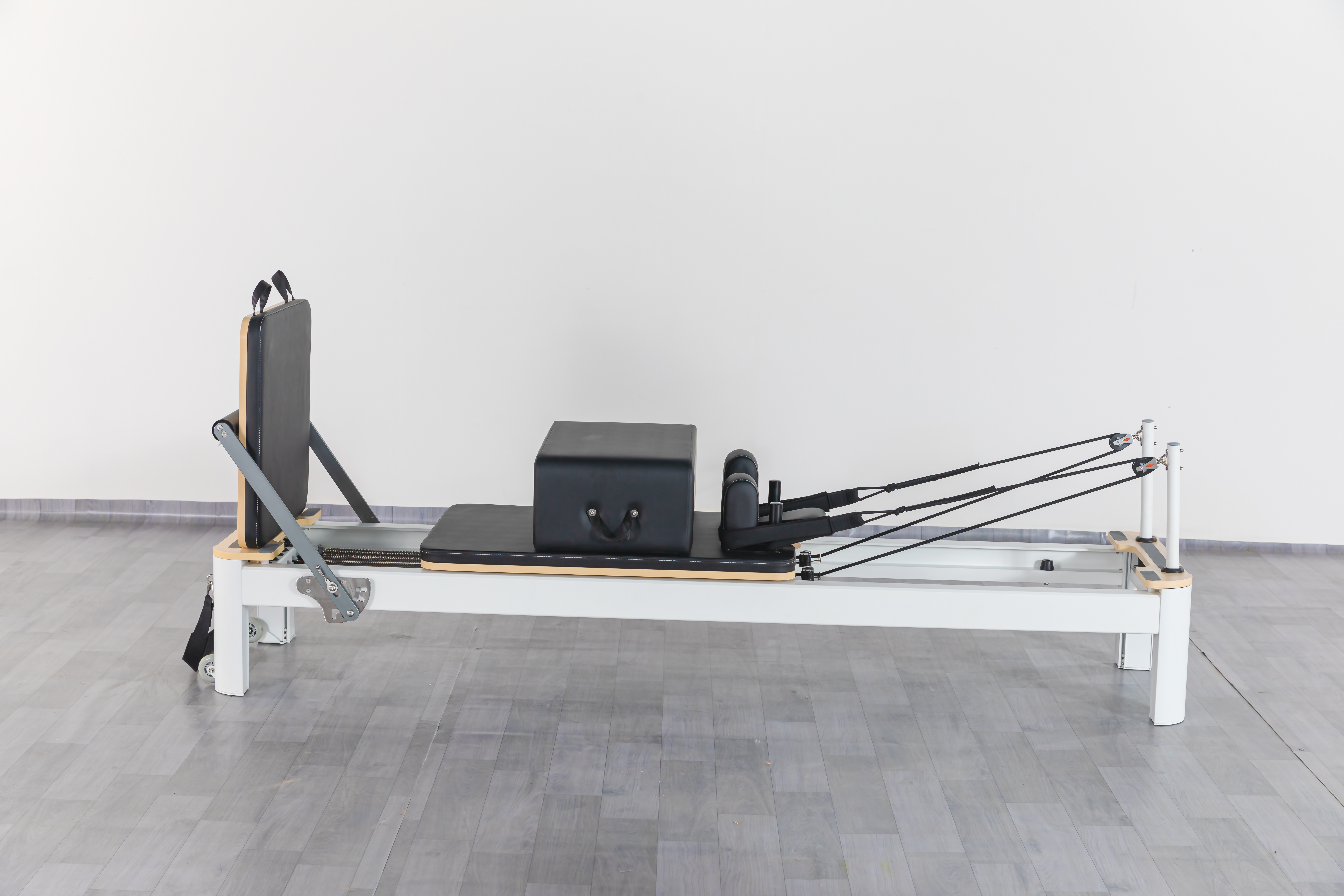
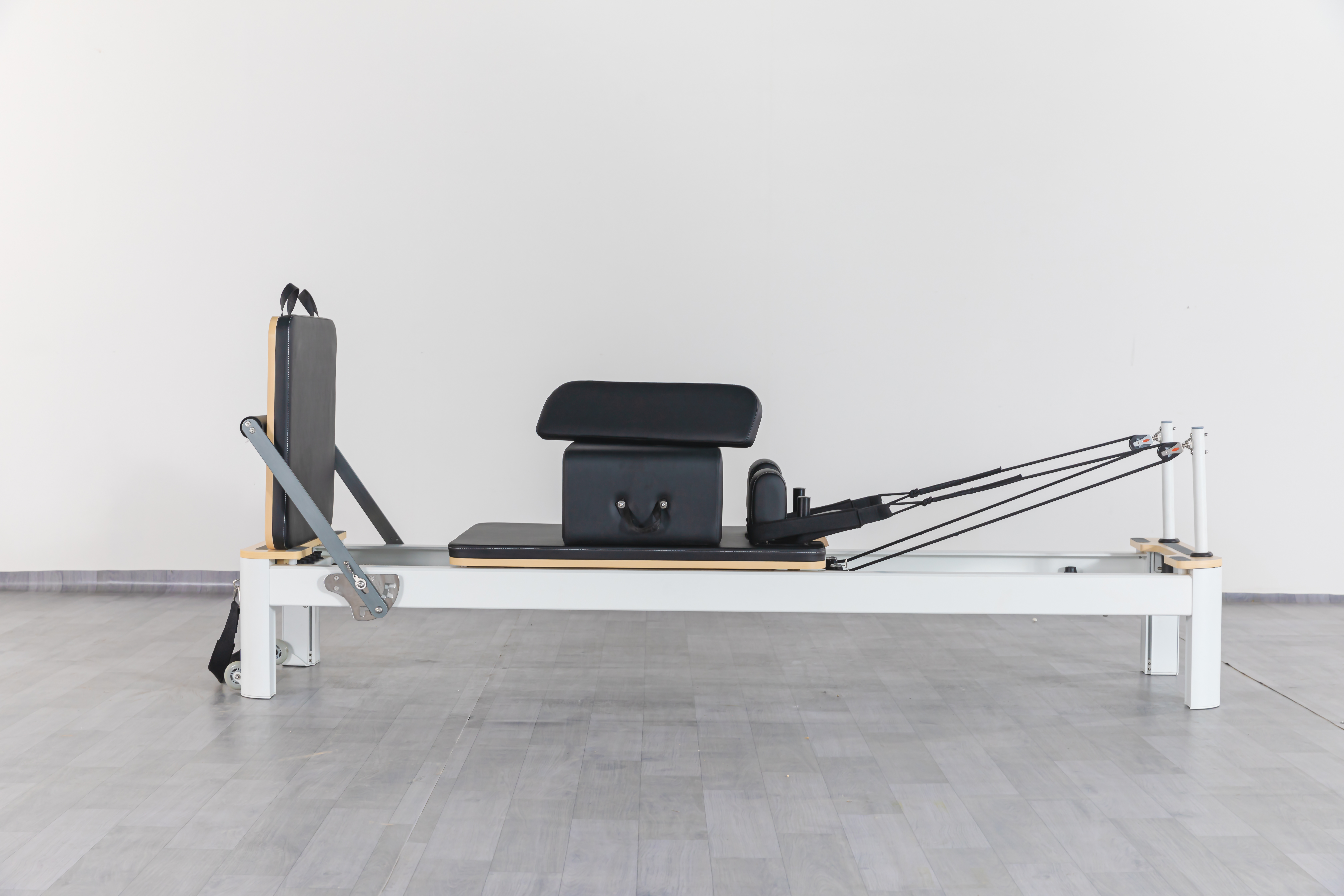
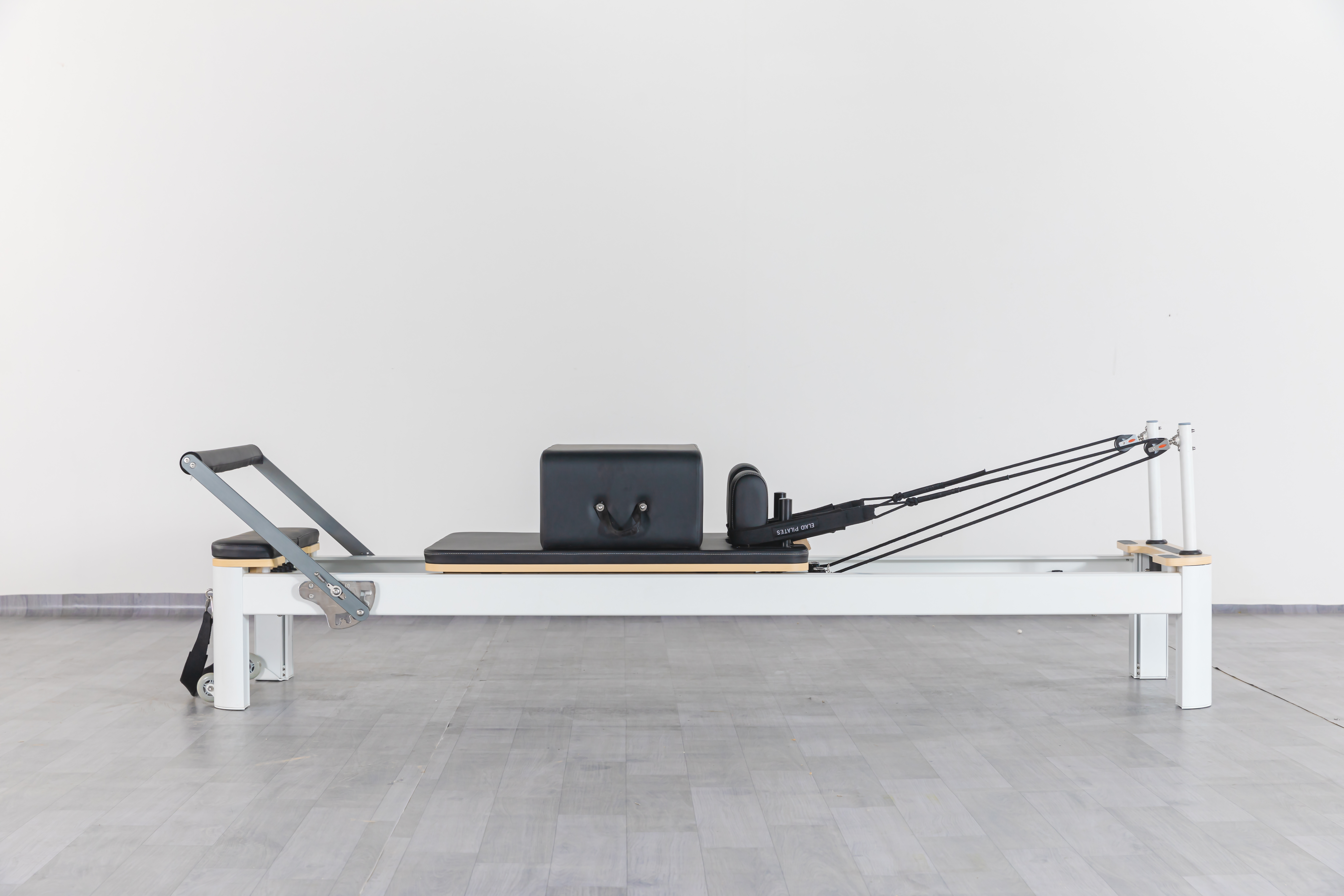
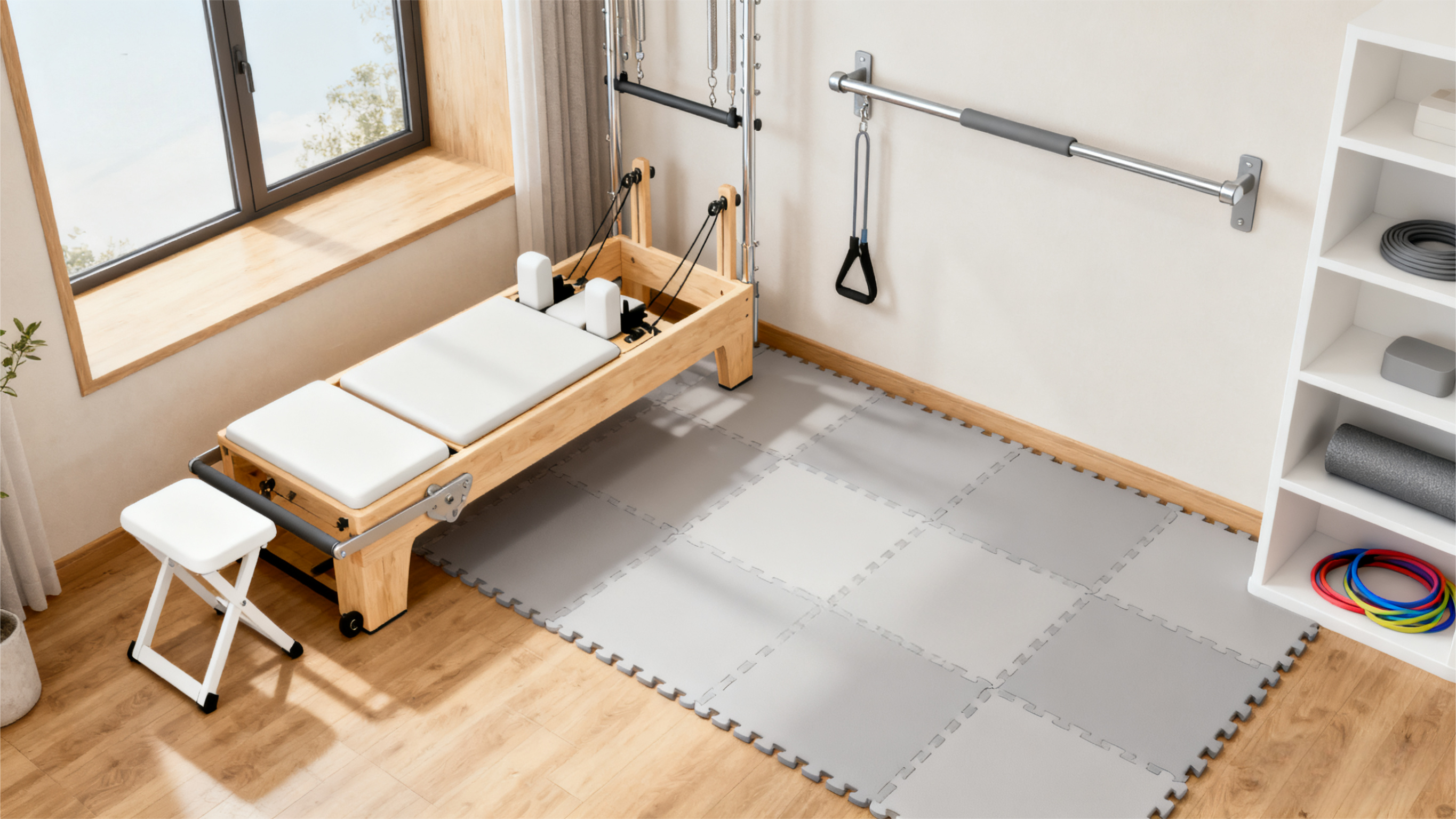
The first step is choosing the right space. Ideally, it should be well-ventilated, well-lit, and large enough to accommodate equipment. For example, a Reformer requires at least 2.5 meters in length, while a Tower or Cadillac needs higher ceiling clearance.
Equipment Configuration and Combination
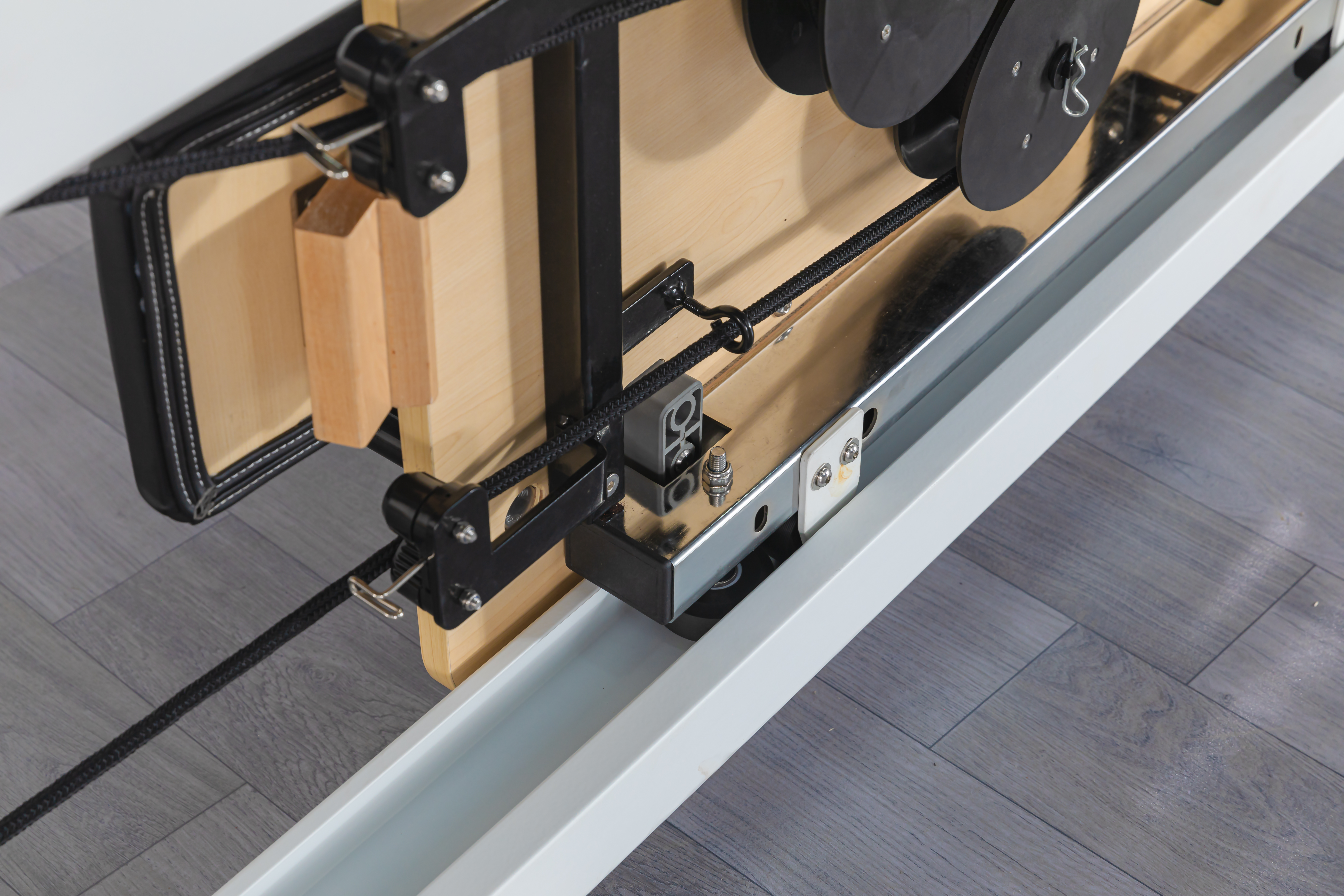
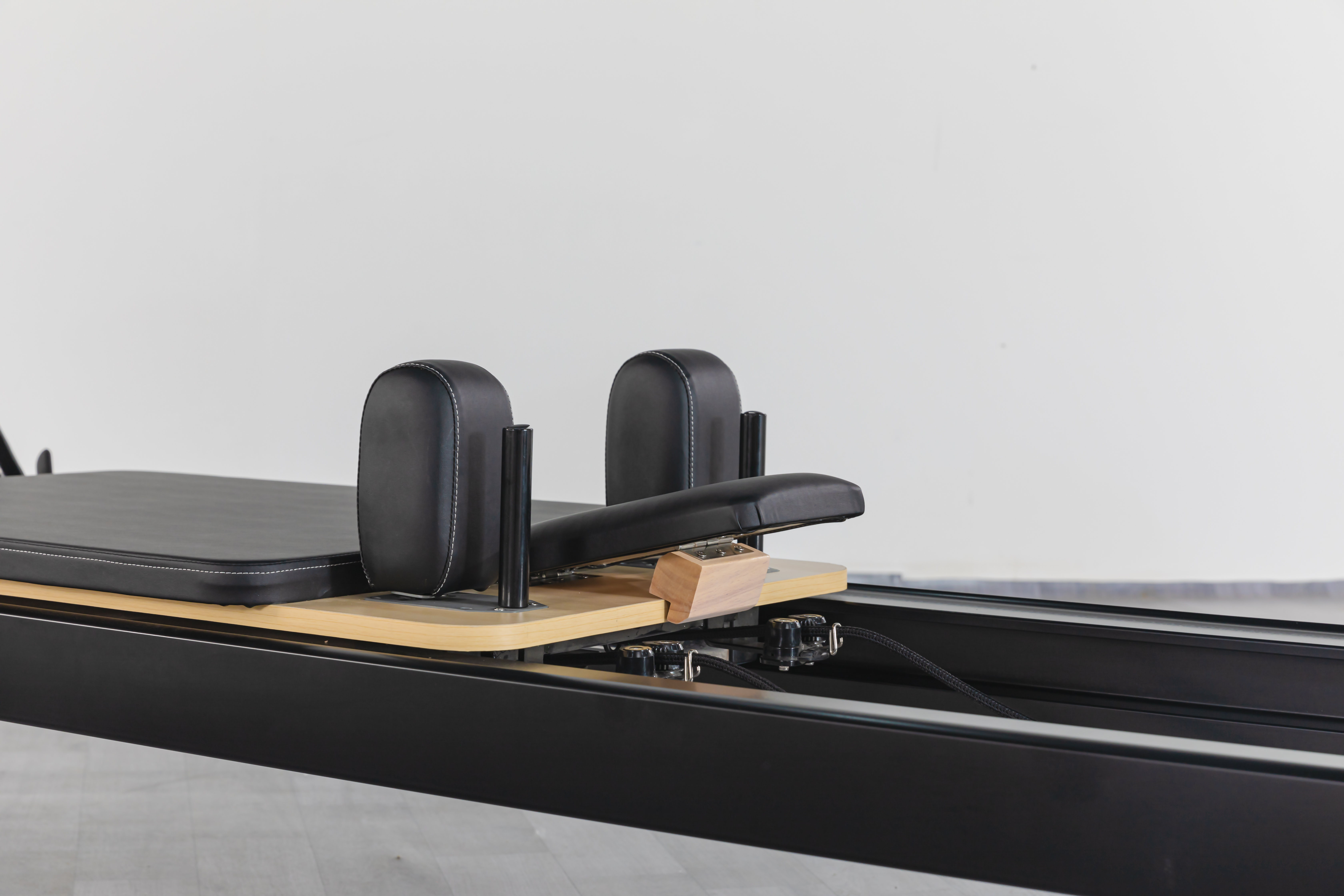
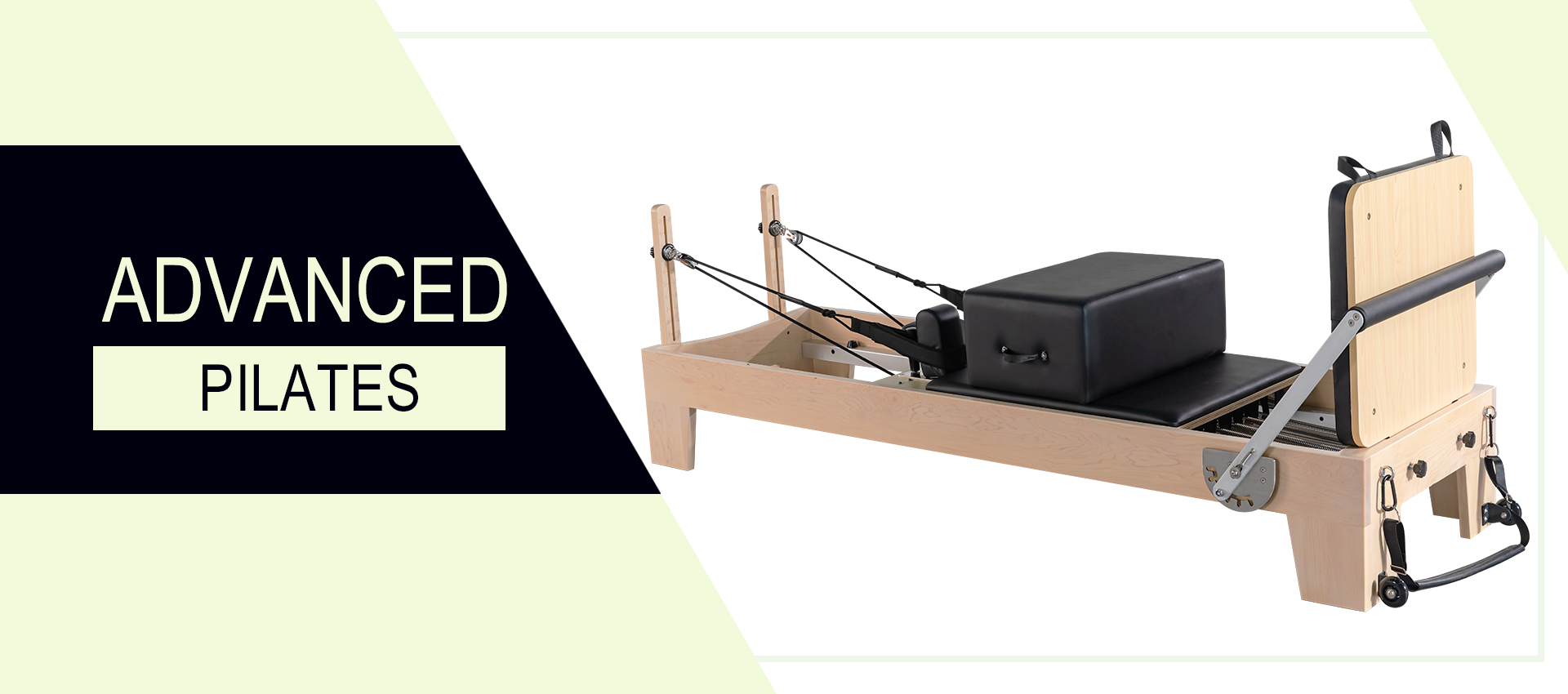
Depending on individual needs, users can opt for full sets or compact combinations. A common setup includes a Reformer, Chair, and Barrel, providing full-body training options. For limited spaces, foldable Reformers or portable equipment are recommended, balancing efficiency and space-saving.
Safety and Comfort Design
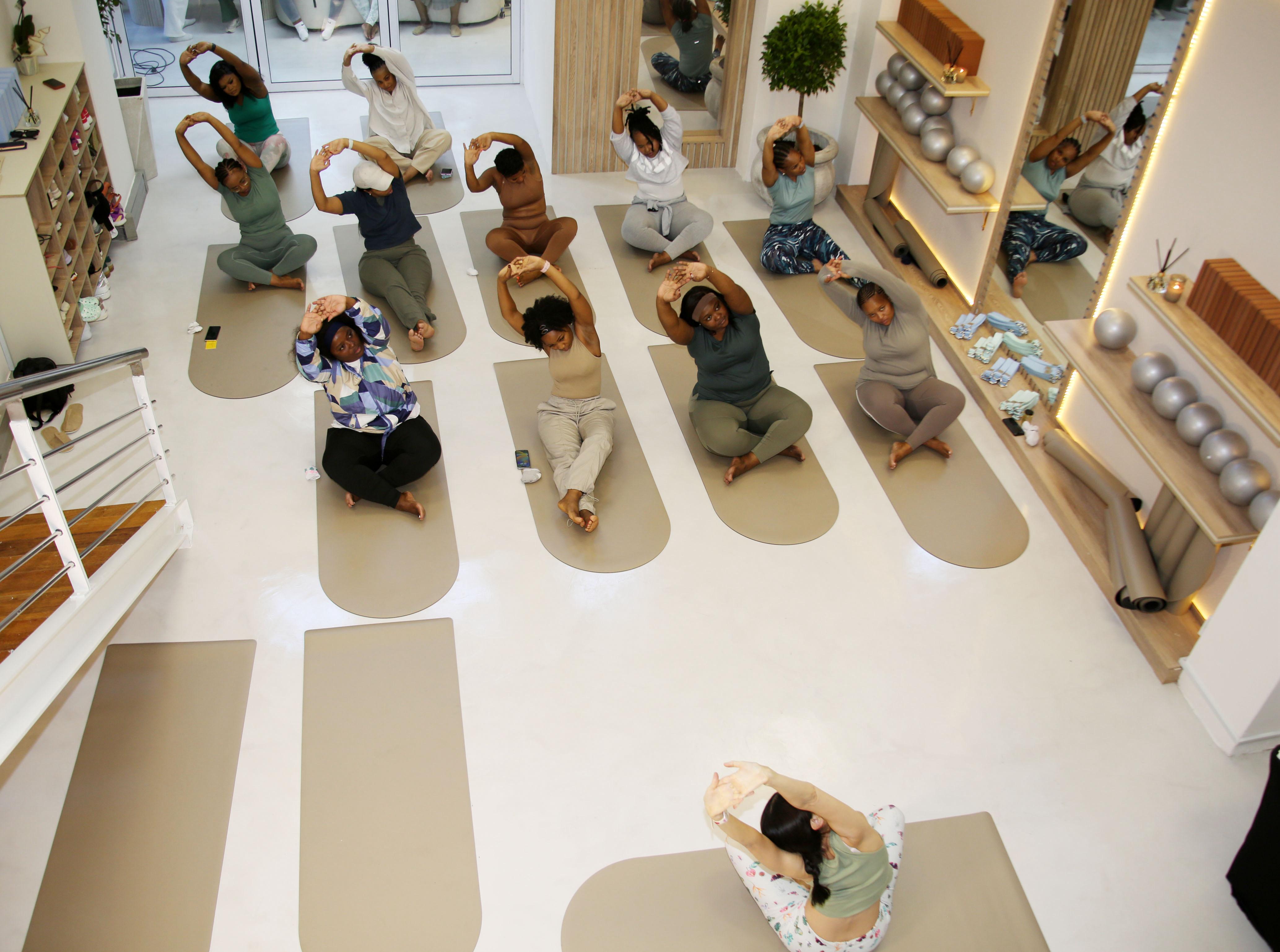
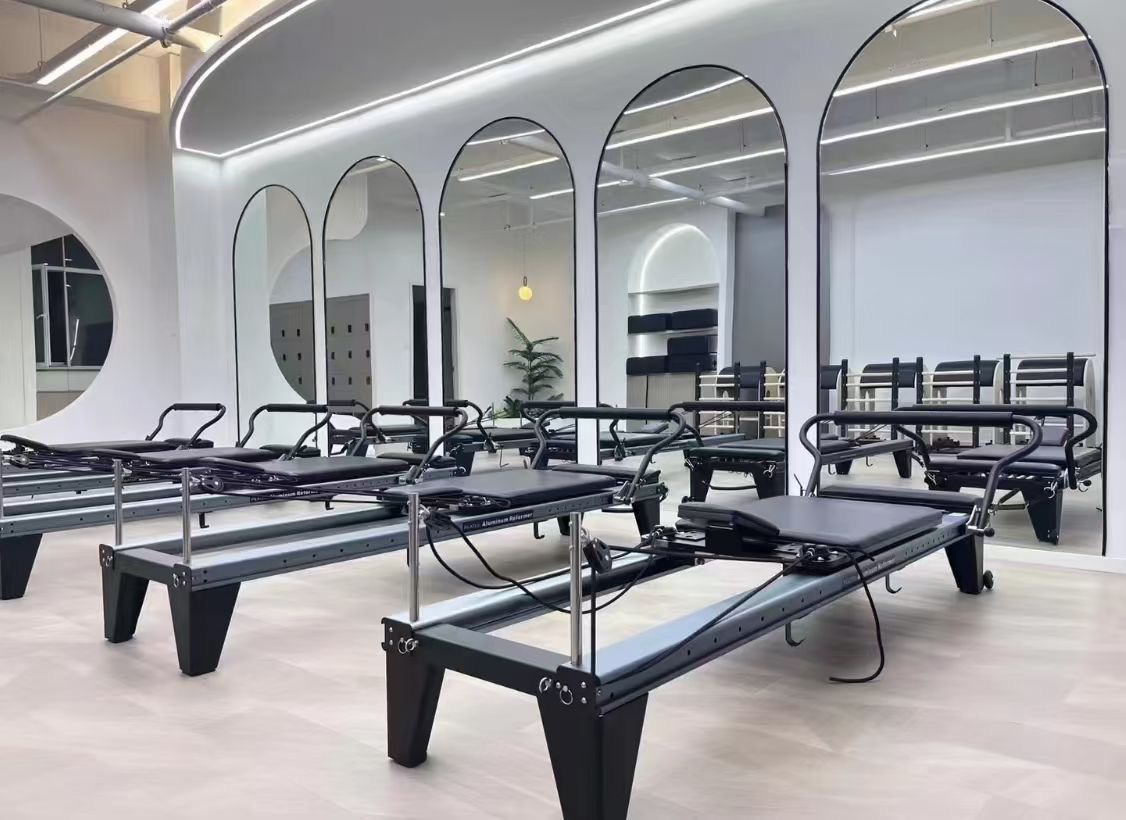
Adequate spacing between machines is crucial to prevent collisions during training. Non-slip mats or wooden flooring are ideal, protecting joints and preventing equipment from sliding. Adding mirrors helps with posture correction and alignment.
Ambience and Function Enhancement
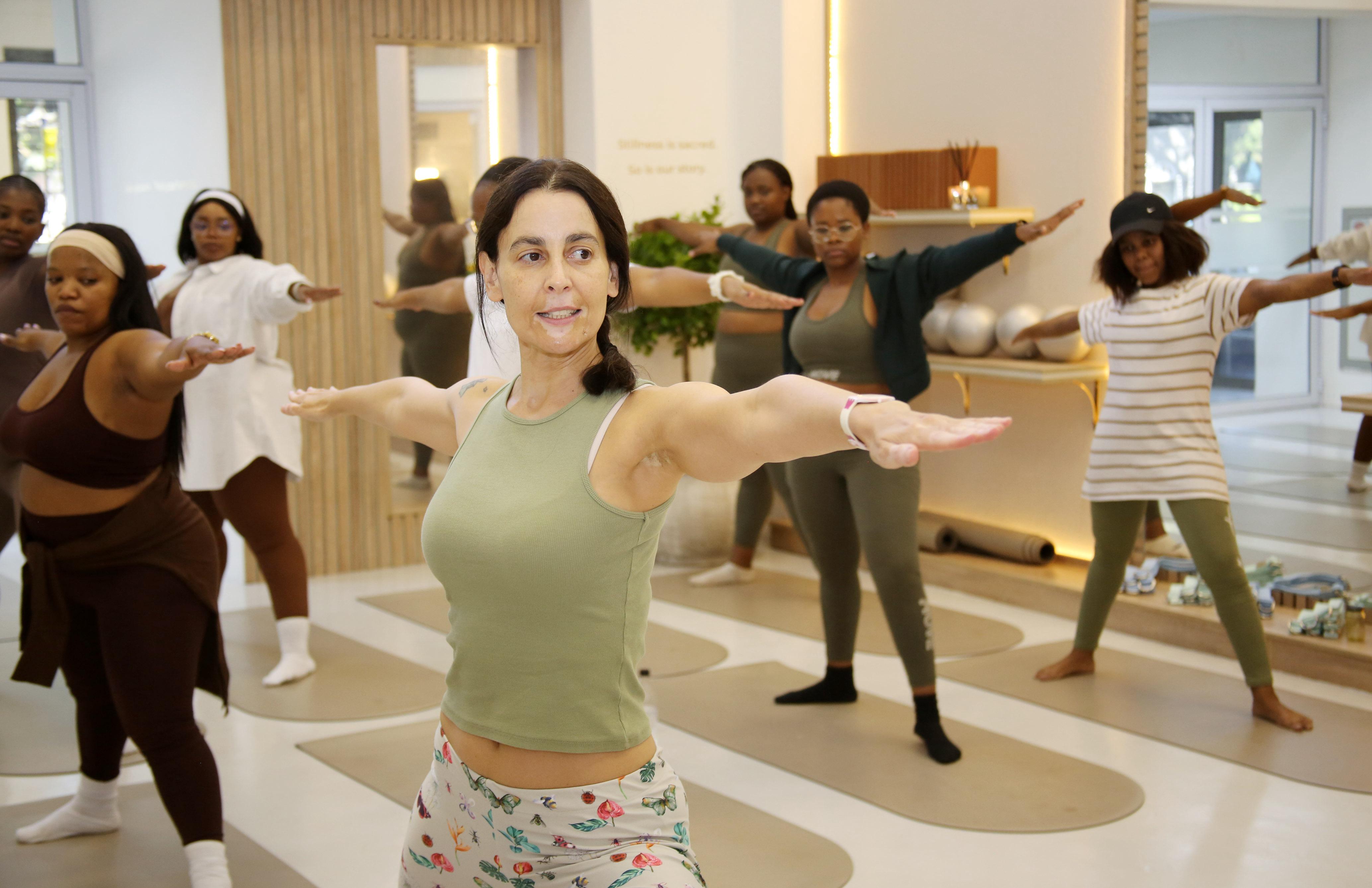
A home gym is not only a workout space but also an extension of lifestyle. Soft lighting, indoor plants, and calming music can improve the atmosphere, making Pilates practice an enjoyable daily ritual.
Conclusion
The key to a home Pilates gym lies in thoughtful planning. Space selection, equipment configuration, safety design, and ambience all contribute to effective training. A well-planned home gym enhances usability and combines health with aesthetics.