


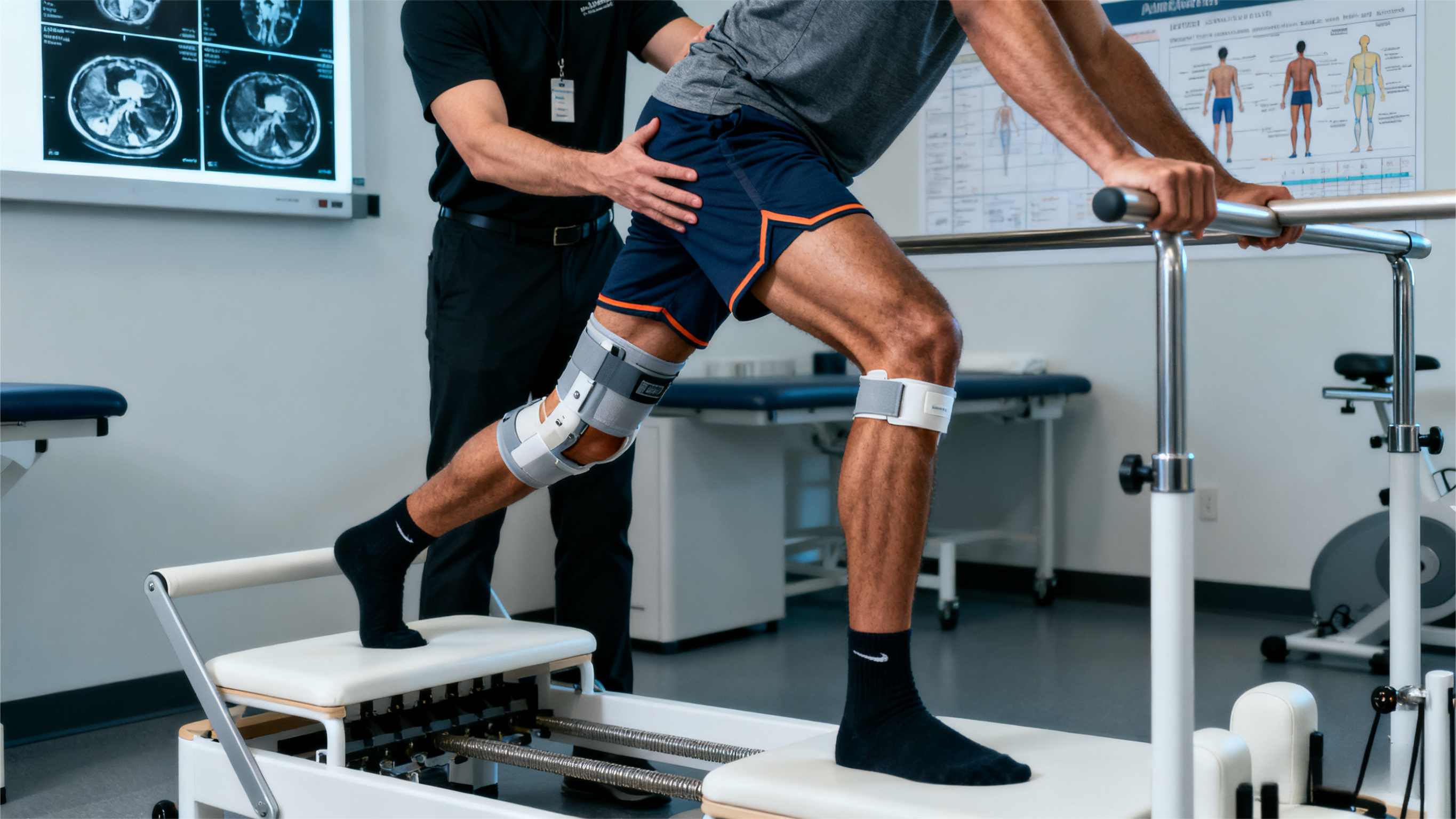
The Role of Pilates in Athlete Recovery Training
Athletes often face muscle fatigue, joint stress, and postural imbalances after intense training and competition. Pilates, with its focus on core stability, flexibility, and low impact, has become an essential recovery method for athletes.
Core Strength Recovery and Enhancement
During recovery, athletes need to avoid high-impact exercises. Pilates provides safe core training that maintains body control and power output. Strong core muscles support the spine and joints, reducing the risk of reinjury.
Flexibility and Joint Mobility
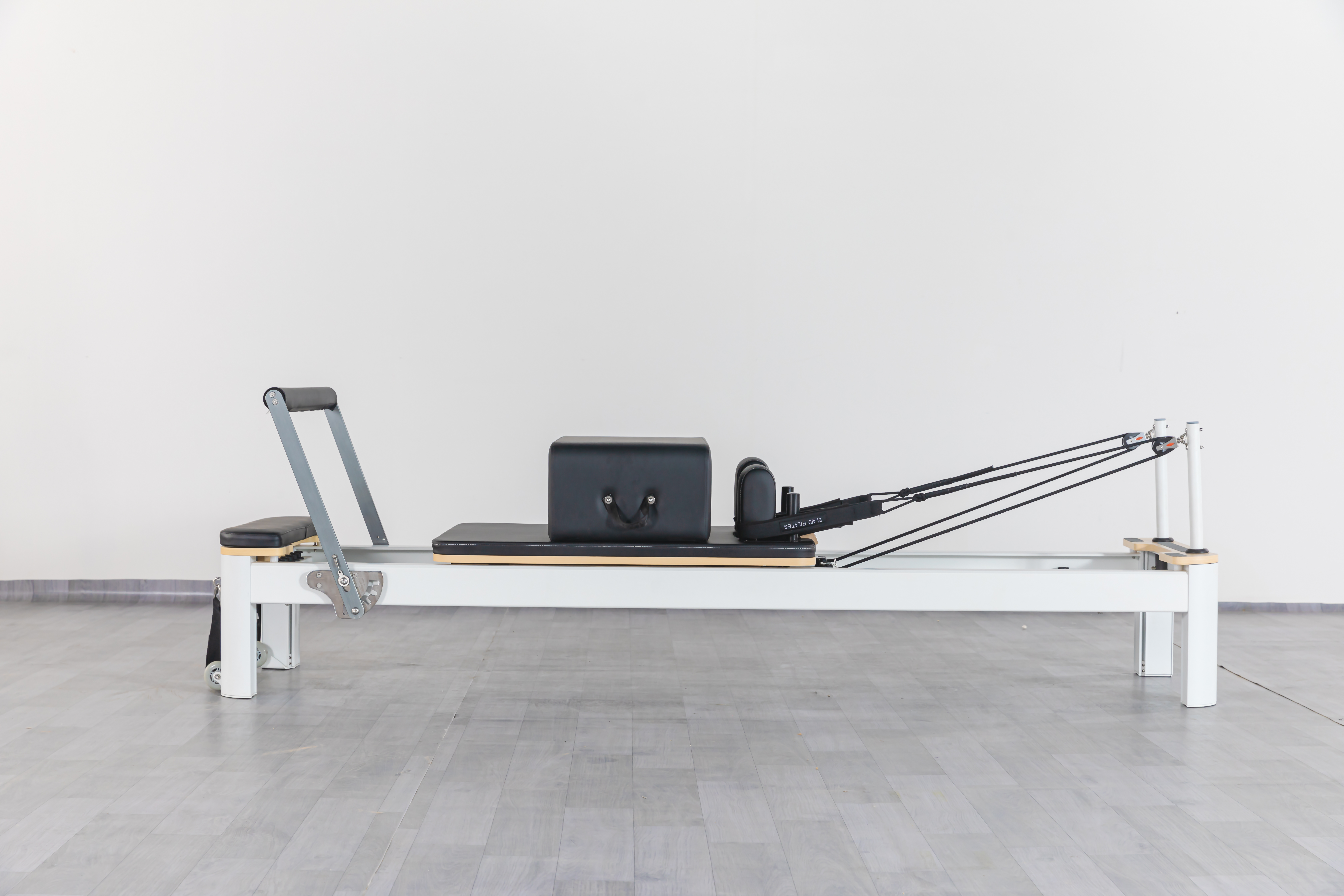
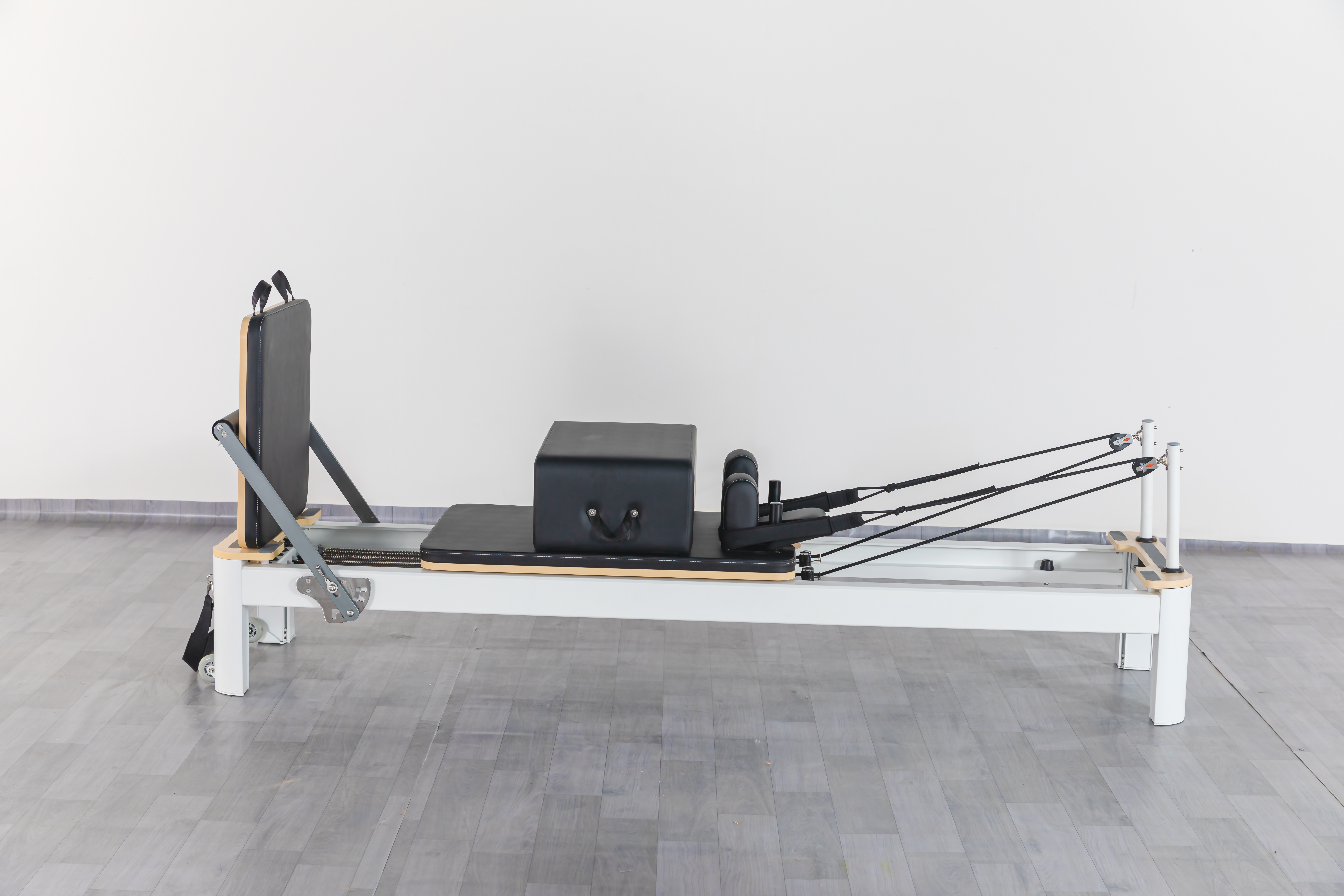
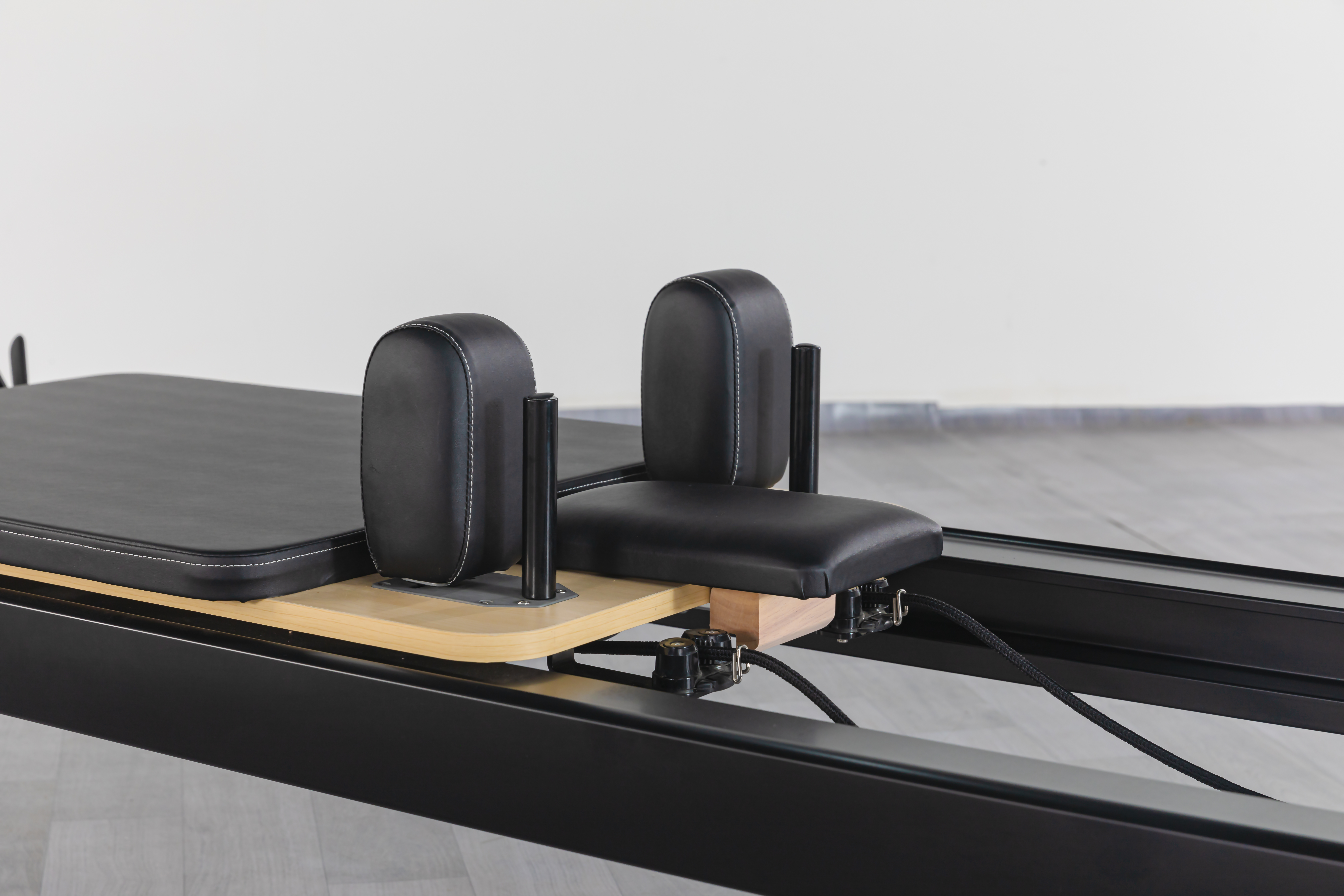
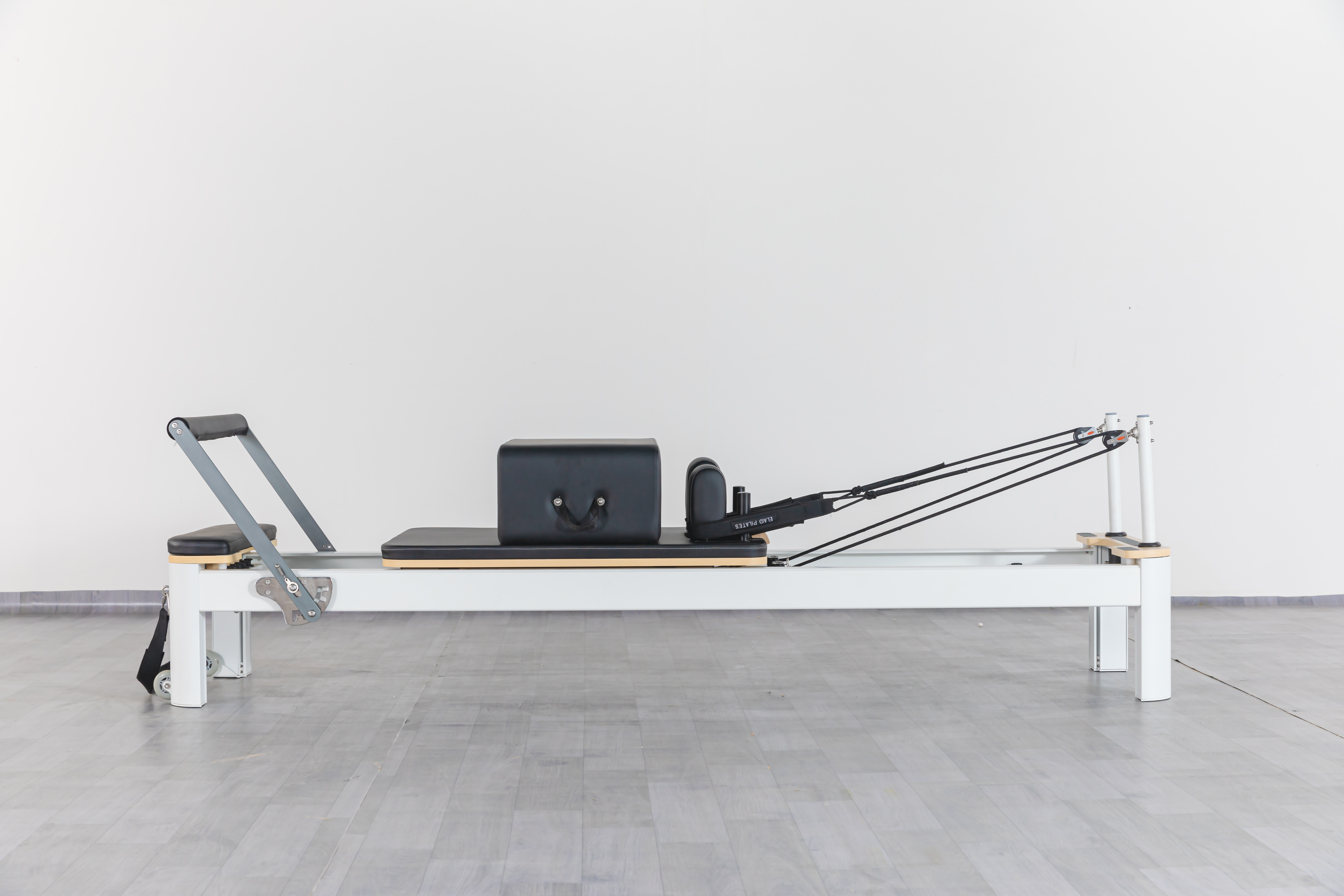
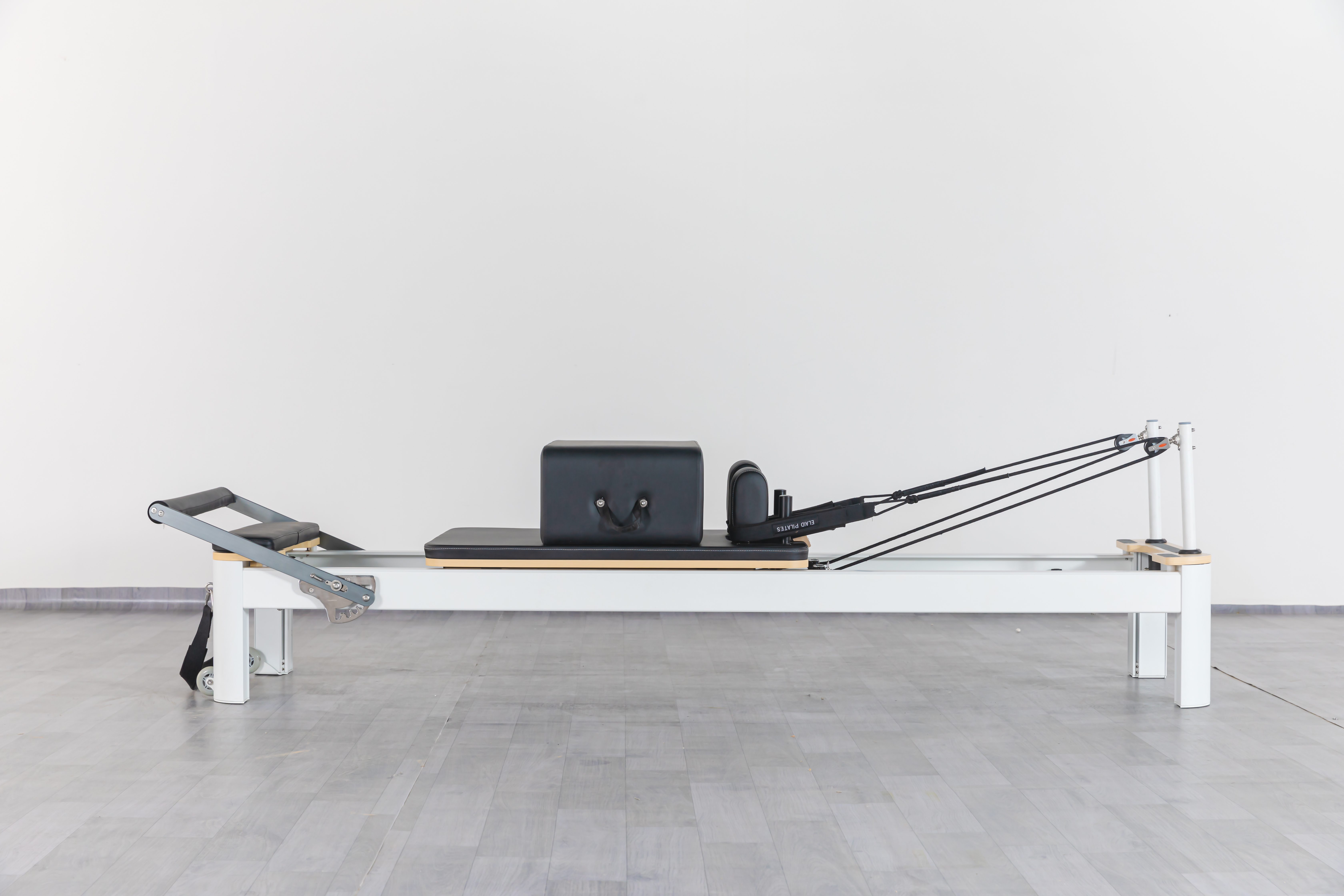
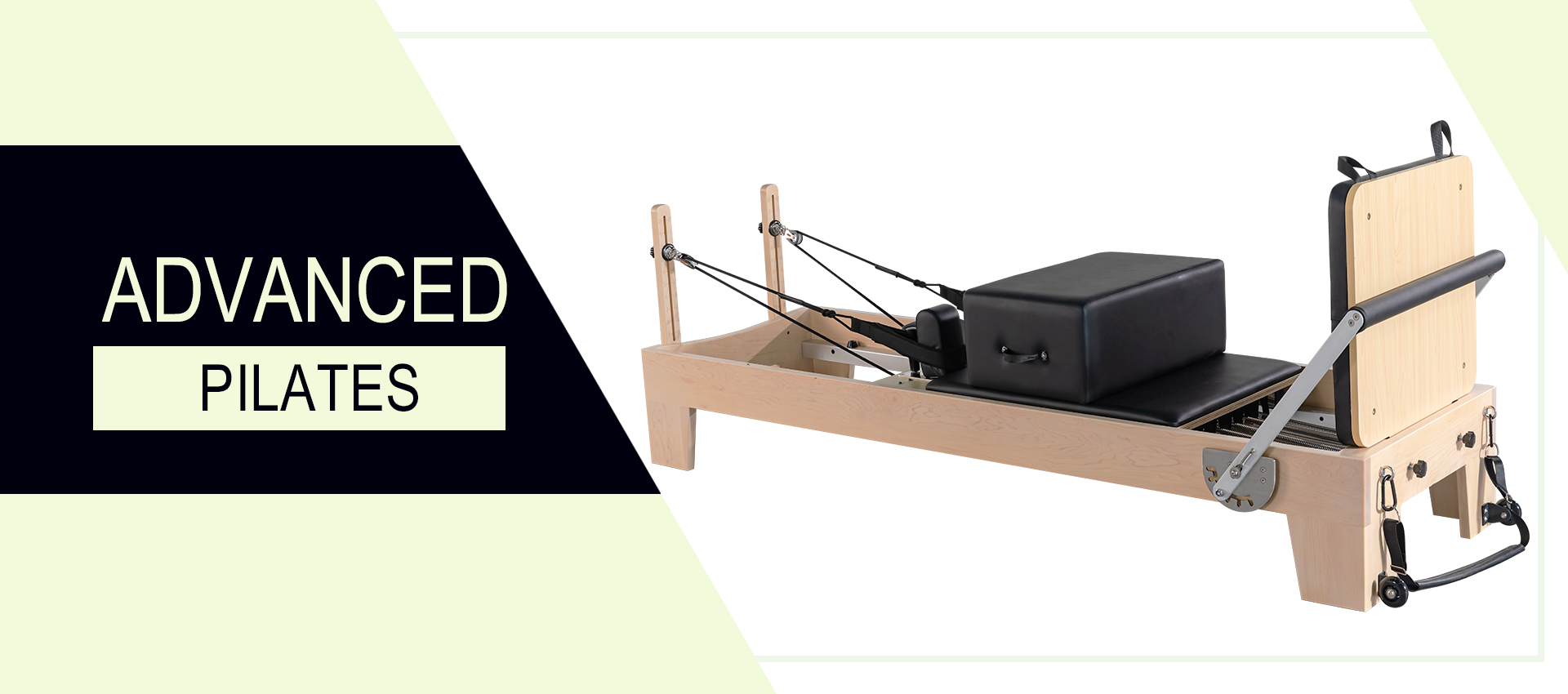
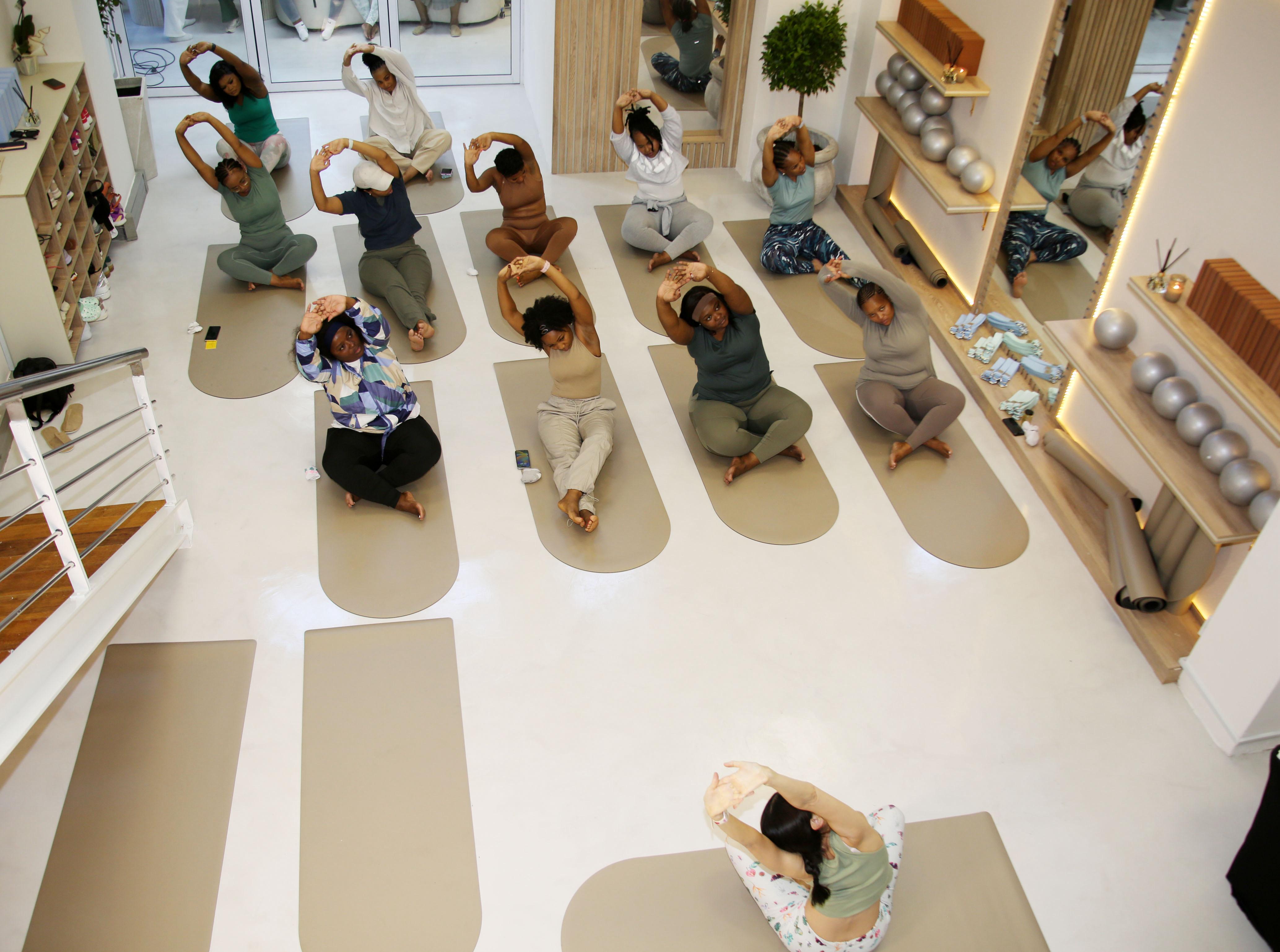
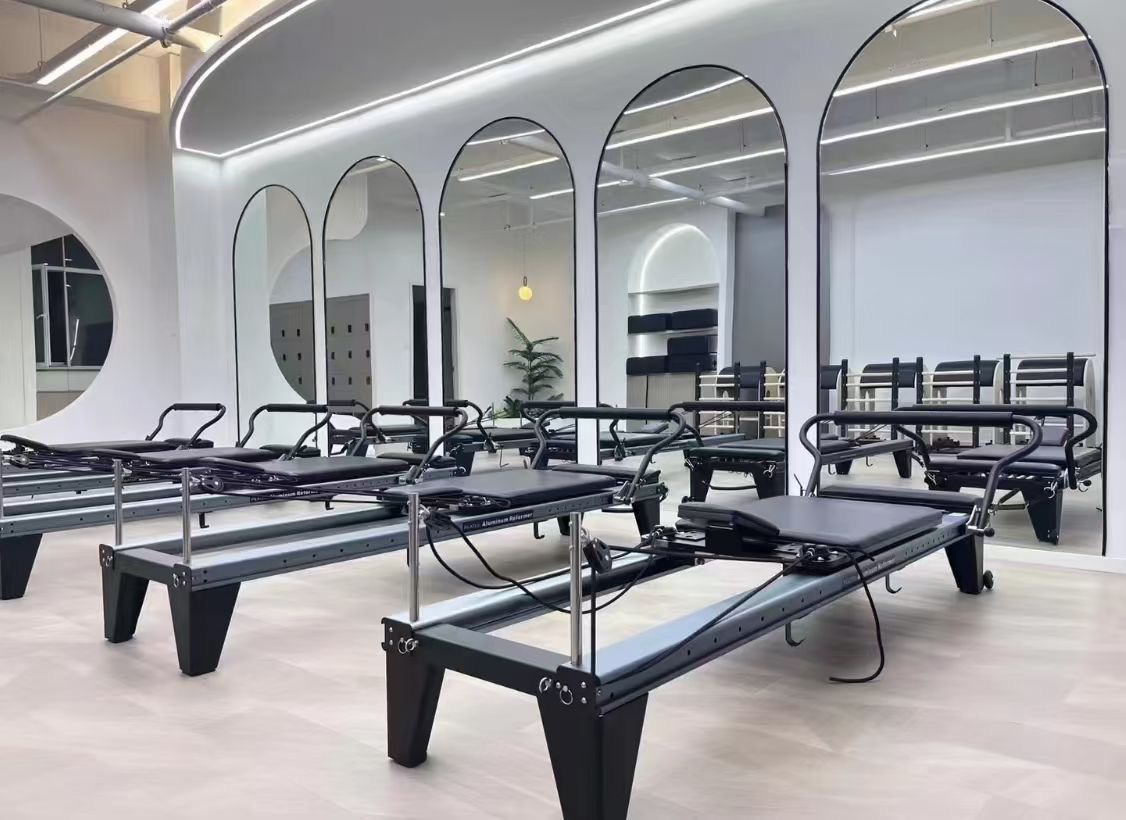
Stretching exercises in Pilates help release muscle tension and improve joint mobility. For example, dynamic stretches on the Reformer allow controlled resistance, promoting muscle recovery while maintaining stability and flexibility.
Breathing and Mind-Body Regulation
Recovery is not only physical but also mental. Pilates emphasizes breath coordination, which helps athletes reduce stress and achieve a faster recovery state.
Advantages of Low-Impact Training
Unlike traditional recovery workouts, Pilates offers low-impact movements, reducing strain on joints and muscles. It is especially beneficial in early recovery phases, allowing gradual return to full athletic performance.
Conclusion
Pilates is more than a supplement to athletic training—it is an essential tool during recovery. With core stabilization, flexibility enhancement, breathing regulation, and low-impact training, Pilates supports athletes in achieving safe and effective rehabilitation.