

Pilates and Rehabilitation Training: Scientifically Aiding Physical Function Recovery
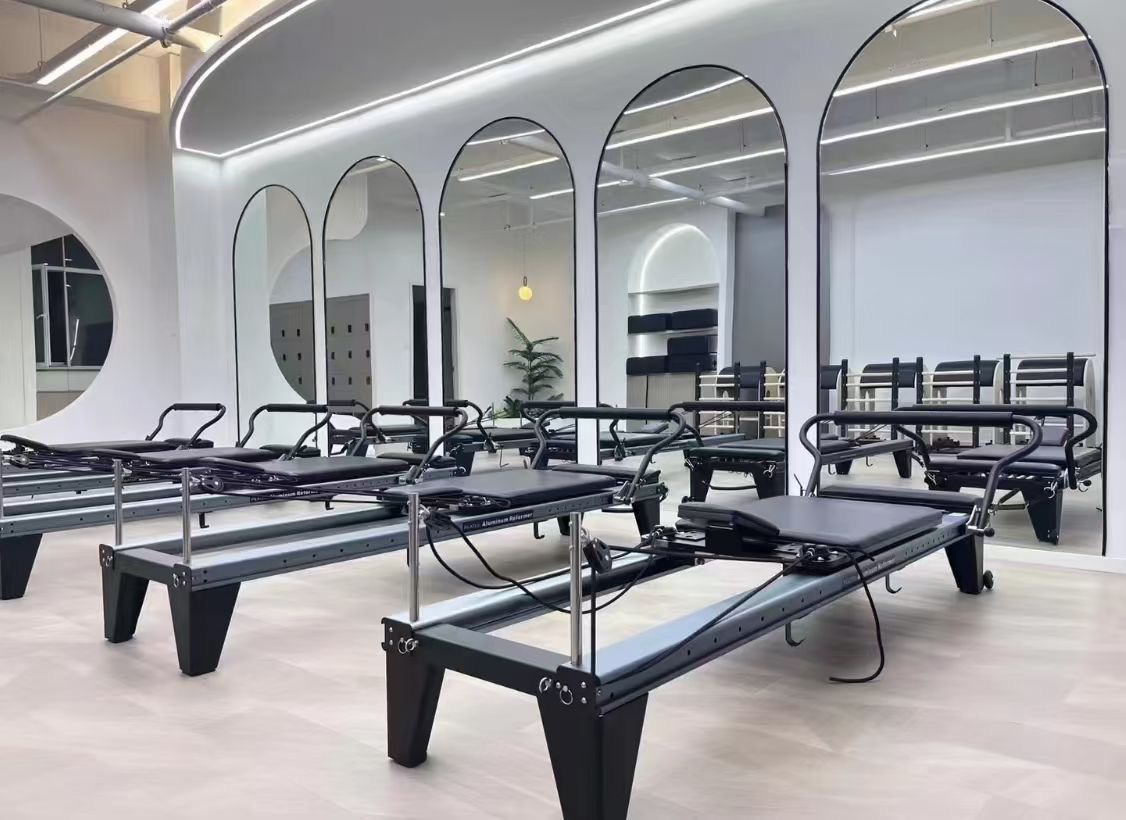
In the fields of sports injury recovery, post - operative rehabilitation, and chronic pain improvement, Pilates is becoming an auxiliary training method recommended by more and more rehabilitation specialists due to its gentle and precise training characteristics. Different from traditional high - intensity rehabilitation training, Pilates focuses on activating deep muscles through controllable movements, adjusting body force lines, repairing damaged tissues, and while avoiding secondary injuries, helping patients gradually restore physical functions and re - establish a sense of control over the body.
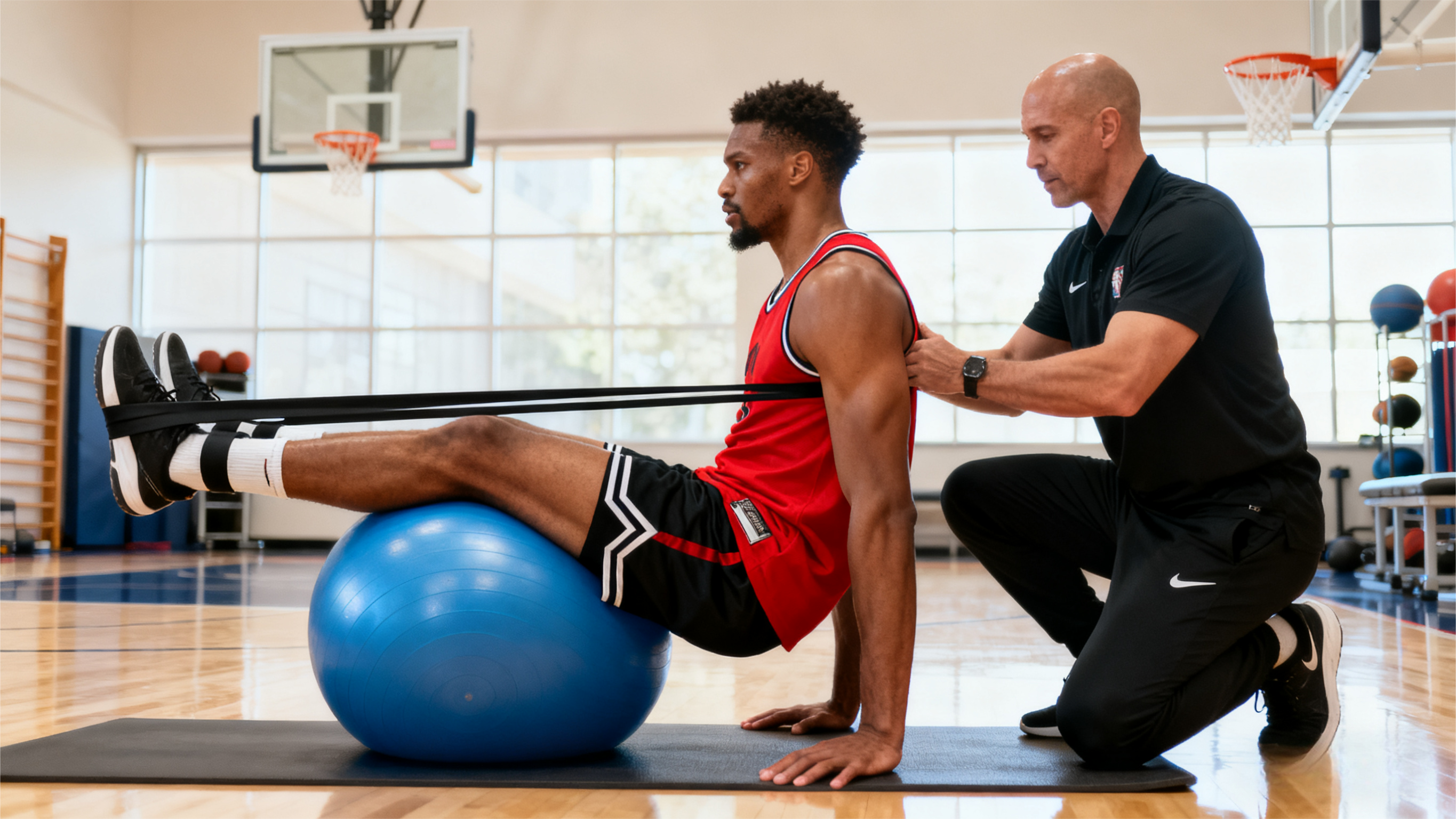
Pilates plays a particularly significant role in sports injury rehabilitation. Taking common knee injuries (such as ligament strain and minor meniscus injury) as an example, after the acute phase, patients often face problems of muscle atrophy and limited joint movement. At this time, rehabilitation specialists will recommend a series of Pilates mat exercises, such as "sitting straight leg raise" - the patient sits on a chair, keeps the back straight, slowly straightens and lifts the injured leg to be parallel to the ground, and then slowly puts it down. This movement can activate the quadriceps on the front of the thigh without weight - bearing, enhance muscle strength, and provide more stable support for the knee joint; at the same time, combined with the "lateral breathing method", it can relax the tension of leg muscles, promote local blood circulation, and accelerate injury repair. For patients with lumbar muscle strain, the "four - point support alternate leg lift" movement of Pilates is known as a "rehabilitation tool": the patient kneels on hands and knees, keeps the back straight, and slowly lifts the opposite hands and feet alternately. This can exercise the core muscles of the lower back, enhance the stability of the lumbar spine, and avoid excessive stress on the lower back, effectively relieving soreness symptoms.
In the field of post - operative rehabilitation, Pilates can also play an important role. Taking the rehabilitation after abdominal surgery (such as caesarean section and cholecystectomy) as an example, after the wound heals, patients often have problems of weak abdominal muscles, poor core stability, and may even cause low back pain. At this time, the "abdominal breathing training" of Pilates is a basic and key link - the patient lies flat, puts hands on the abdomen, and when inhaling slowly, allows the abdomen to bulge naturally, and when exhaling, tightens the abdominal muscles to feel the slight contraction of the muscles around the wound. This movement can activate the deep abdominal muscles step by step, avoiding wound traction caused by sudden force; with the progress of recovery, movements such as "pelvic floor muscle contraction" and "gentle crunch" can be gradually added to help the abdominal muscle function recover step by step and rebuild core strength. It should be noted that post - operative Pilates training must be carried out under the guidance of a doctor or professional rehabilitation specialist, and the difficulty of movements should be adjusted according to the wound healing situation to ensure safety and effectiveness.
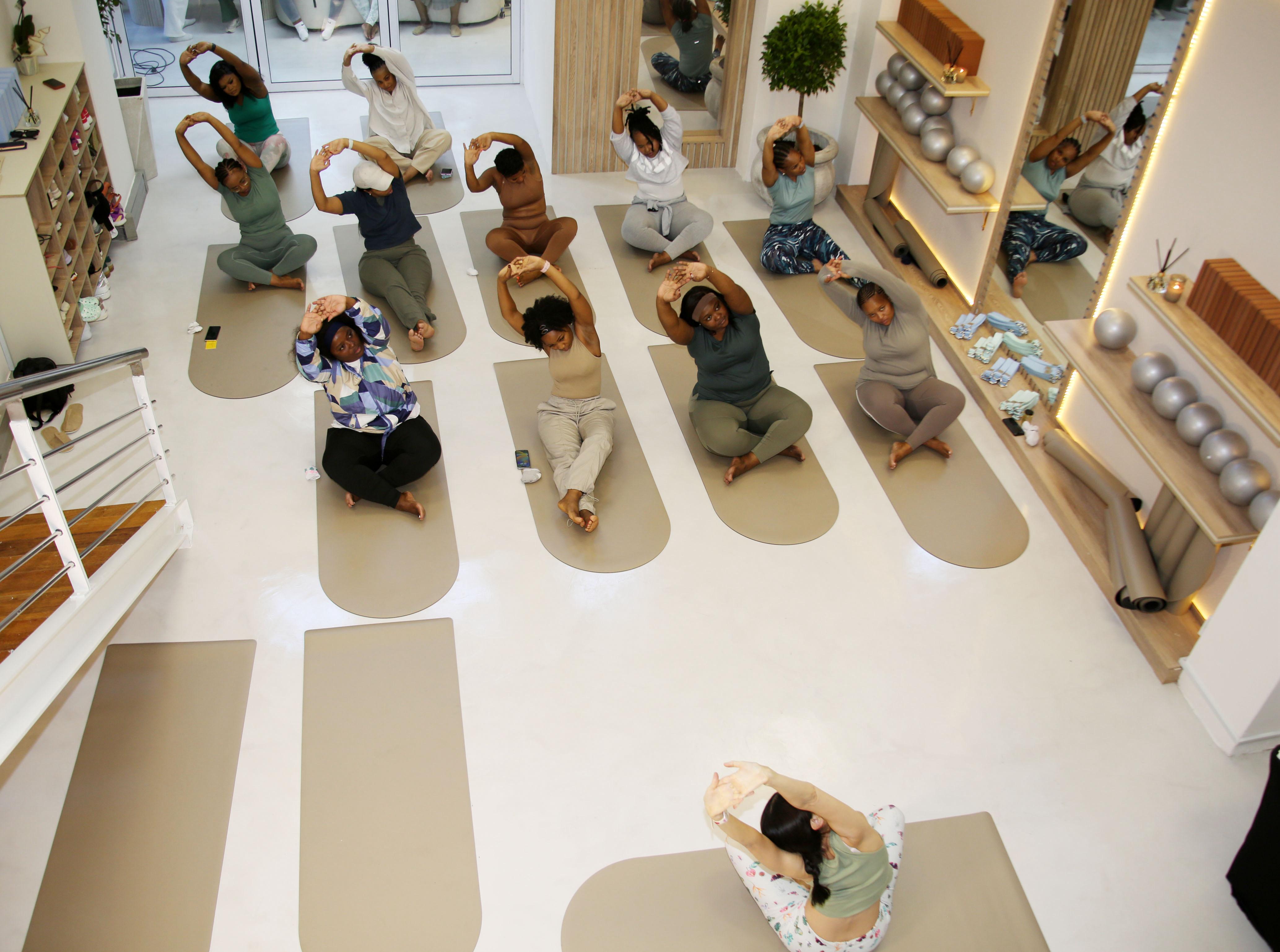
In addition, Pilates also has a positive effect on improving chronic pain (such as cervical spondylosis and frozen shoulder). For patients with cervical spondylosis caused by long - term looking down at mobile phones and using computers, the "cervical traction stretch" movement of Pilates can effectively relieve symptoms: the patient sits, crosses hands behind the head, slowly pulls the head back gently, while keeping the back straight, and feels the stretch of the muscles on the back of the neck; with slow breathing, each stretch lasts for 5 - 10 seconds and is repeated 5 - 8 times. This movement can relax the tense muscles of the neck, adjust the physiological curvature of the cervical spine, and reduce the pressure on the cervical spine; at the same time, combined with the "scapular retraction" movement, it can enhance the strength of the back muscles, improve the hunchback posture, and fundamentally reduce the recurrence of cervical spondylosis.
Nowadays, more and more rehabilitation institutions have included Pilates in their rehabilitation programs. It is no longer a simple fitness method, but has become a bridge connecting "treatment" and "health". Whether it is sports injury, post - operative recovery or chronic pain improvement, Pilates can help people gradually restore physical functions and regain a healthy life in a scientific and gentle way.