



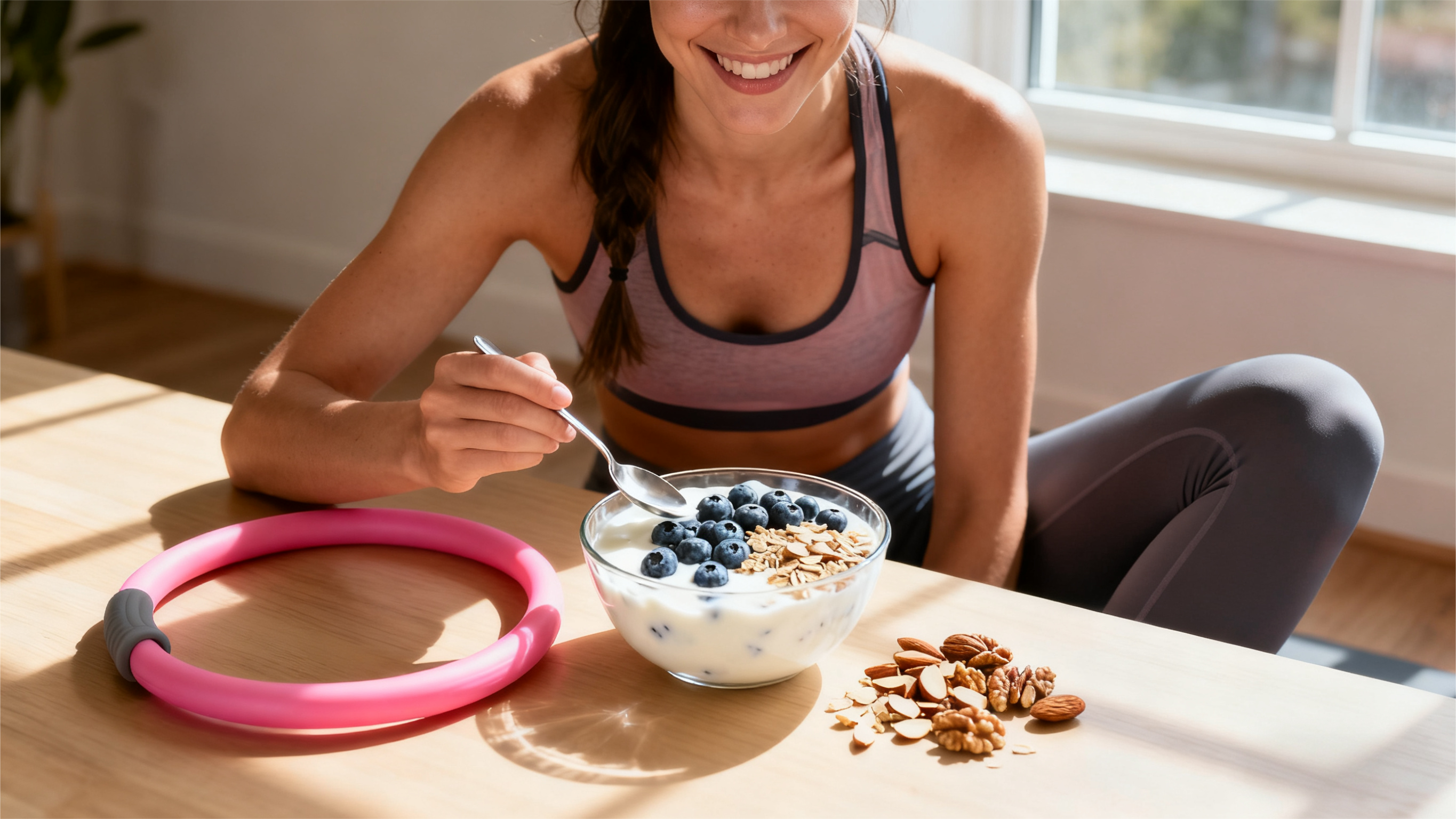
Pilates Diet Matching Guide: Combining Exercise and Nutrition to Enhance Training Effects
To maximize the effect of Pilates training, scientific movement practice alone is far from enough, and a reasonable diet is also crucial. Pilates focuses on the "unity of body and mind", and diet, as the source of body energy, directly affects the state during training, the speed of muscle recovery and the effect of posture improvement. A scientific Pilates diet should follow the principles of "balanced nutrition, on - demand supplementation, and adapting to the training rhythm" to provide sufficient energy for the body while avoiding excess burden, forming a positive cycle between exercise and nutrition.
First of all, the diet before Pilates training should focus on "providing long - lasting energy", and avoid being on an empty stomach or overeating. 1 - 2 hours before training, it is recommended to choose low - GI (glycemic index) and high - complex carbohydrate foods, such as whole - wheat bread (1 - 2 slices), oatmeal (a small bowl), sweet potato (a small piece), etc. This kind of food can release energy slowly, provide continuous power for the training process, and avoid dizziness and fatigue during training caused by sudden rise and fall of blood sugar; at the same time, it can be paired with a small amount of high - quality protein, such as an egg, 100 grams of sugar - free yogurt, which can not only increase satiety but also not bring too much burden to the intestines and stomach. It should be noted that high - oil, high - sugar and high - fiber foods should be avoided before training - high - oil foods (such as fried chicken, French fries) are digested slowly and easily cause abdominal distension during training; high - sugar foods (such as cakes, milk tea) will make blood sugar rise rapidly and then drop rapidly, causing fatigue; excessive consumption of high - fiber foods (such as a large number of vegetables, coarse grains) may also cause gastrointestinal discomfort and affect the training state.
Secondly, the focus of the diet after Pilates training is to "promote muscle repair and energy supplementation", and it is necessary to supplement protein and carbohydrates in a timely manner. Within 30 minutes to 1 hour after the end of training is the golden period for the body to absorb nutrients. At this time, supplementing protein can effectively repair the muscle fibers damaged during training, promote muscle growth and enhance core strength; supplementing carbohydrates can restore muscle glycogen and reserve energy for the next training. Recommended post - training meal combinations include: 100 grams of chicken breast + a small bowl of brown rice + a serving of broccoli, 100 grams of fish + a small bowl of quinoa + a serving of carrots, or a convenient protein drink (such as sugar - free soymilk, whey protein powder) paired with a banana. For vegetarians, plant proteins such as 150 grams of tofu and a small handful of chickpeas can be used to replace animal proteins, and paired with carbohydrates such as whole - wheat pasta and corn, which can also meet the nutritional needs. In addition, it is necessary to supplement an appropriate amount of water after training. It is recommended to drink warm boiled water or light salt water, and avoid drinking sugary drinks to prevent excess calories.
In addition to the diet before and after training, the balance of daily diet also has an important impact on the effect of Pilates training. The daily diet should ensure the comprehensive intake of "carbohydrates, proteins, fats, vitamins and minerals": carbohydrates are mainly complex carbohydrates, such as brown rice, oatmeal, mixed beans, accounting for 50% - 60% of the daily total calories; proteins are from high - quality sources, such as chicken breast, fish and shrimp, eggs, milk, soy products, etc. The daily intake is recommended to be calculated at 1.2 - 1.5 grams per kilogram of body weight (for example, a 60 - kilogram person needs 72 - 90 grams of protein per day); fats are mainly healthy fats, such as avocados, nuts (a small handful per day), olive oil, etc., avoiding trans fats (such as fried foods, processed snacks); vitamins and minerals are obtained through fresh vegetables (300 - 500 grams per day) and fruits (200 - 350 grams per day). In particular, more foods rich in vitamin C (such as oranges, spinach), vitamin D (such as egg yolks, deep - sea fish) and calcium (such as milk, tofu) should be taken in, as these nutrients are crucial for muscle contraction and bone health.
In addition, Pilates practitioners also need to pay attention to dietary details: first, eat regularly, have three meals a day at fixed times and in fixed quantities, avoid overeating or excessive dieting, and keep blood sugar stable; second, control the total calorie intake and adjust it according to the training intensity (for example, high - intensity training can appropriately increase calories, while low - intensity training can reduce them), avoid excess calories leading to fat accumulation and affecting posture improvement; third, reduce the intake of stimulating foods, such as spicy foods, excessive coffee and alcohol, which may affect sleep quality and body metabolism, thereby affecting training effects.
A scientific Pilates diet is a "booster" to improve training effects. When exercise and nutrition are perfectly combined, it can not only make the body more energetic during training, accelerate muscle recovery and posture improvement, but also help develop healthy eating habits, making the health benefits of Pilates more lasting.