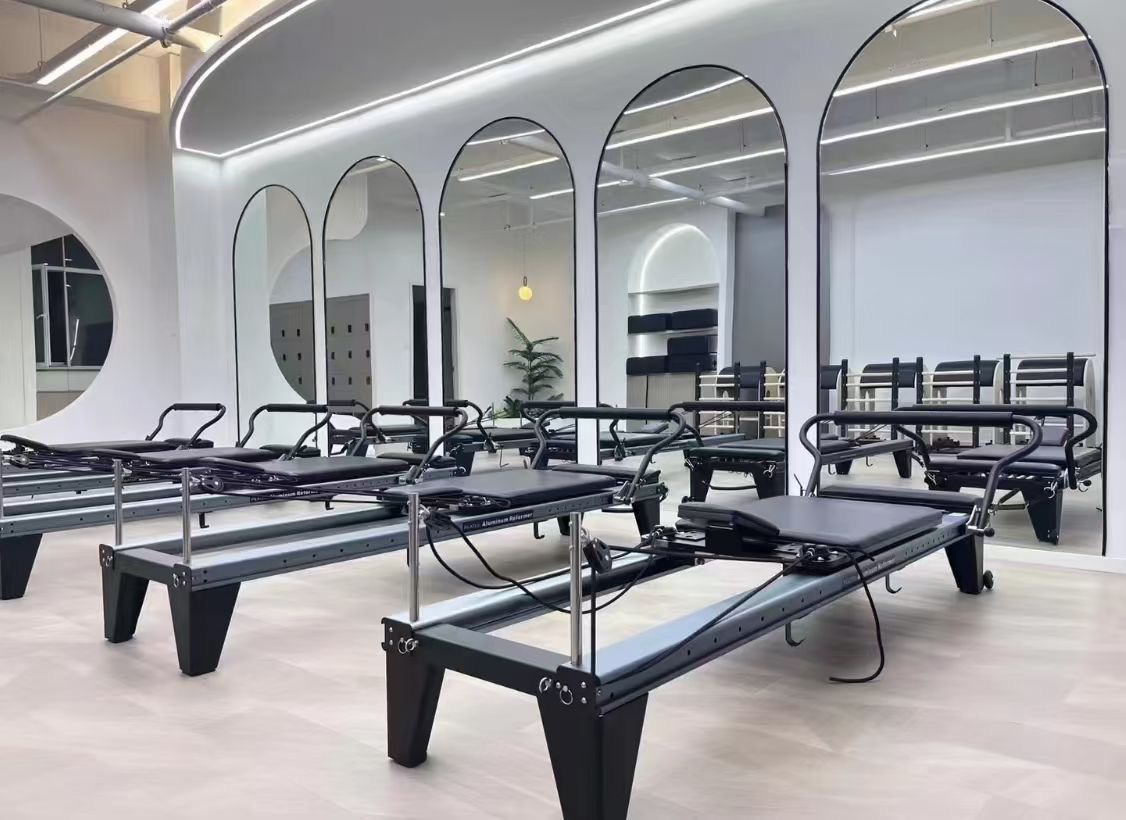


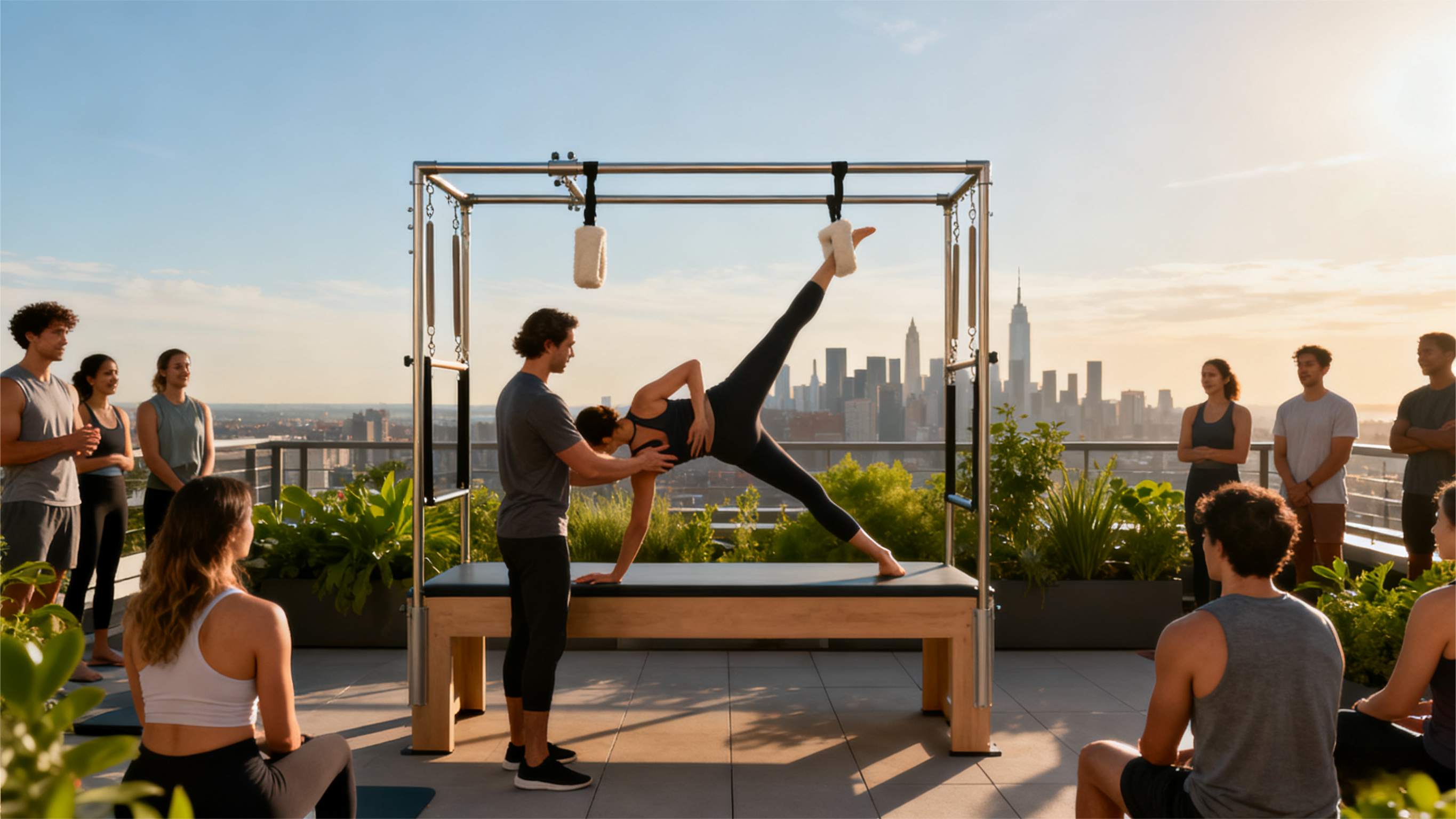
Pilates Group Class Advantages: Social Interaction and Motivation, Making Training More Sustainable
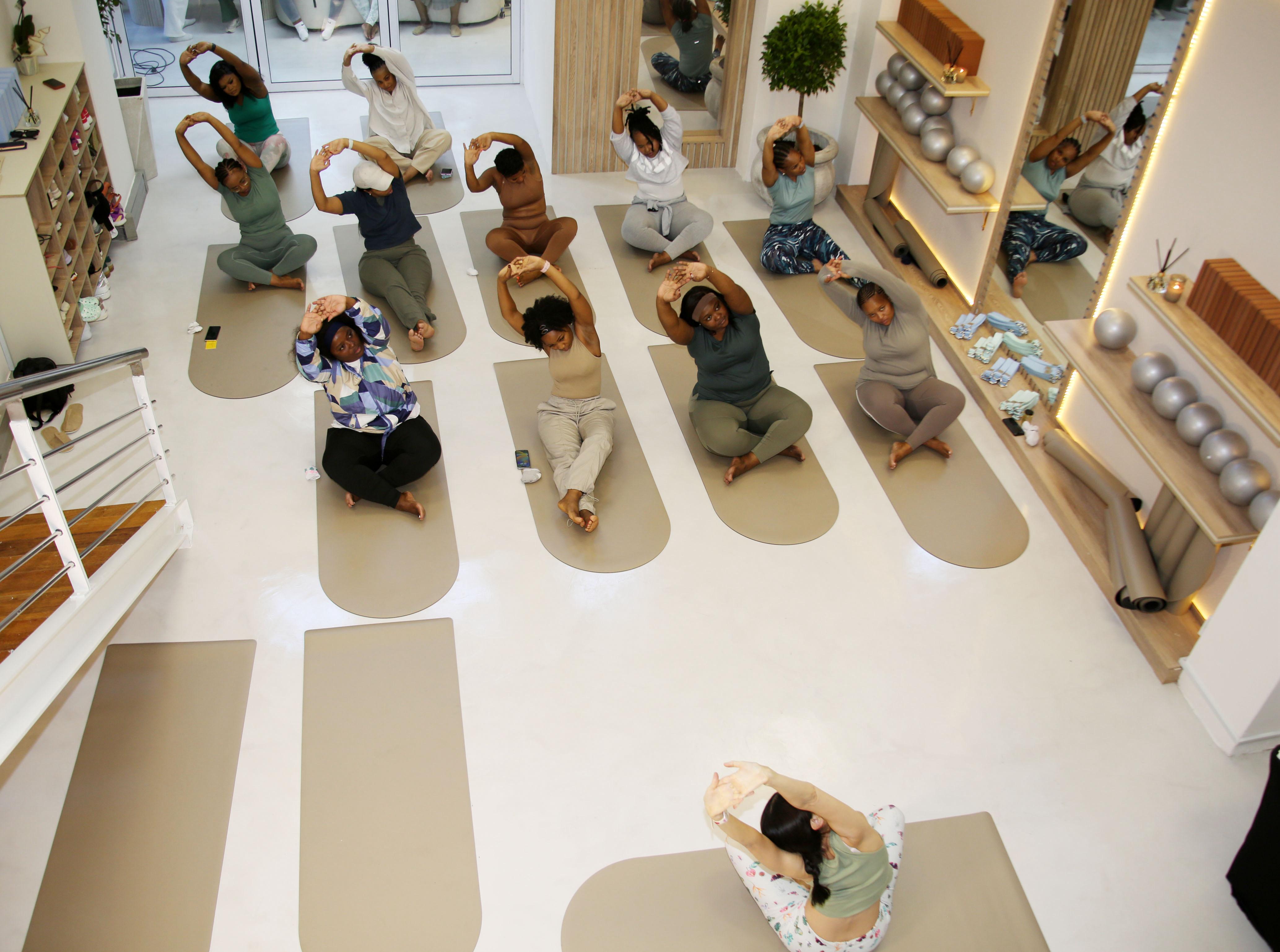
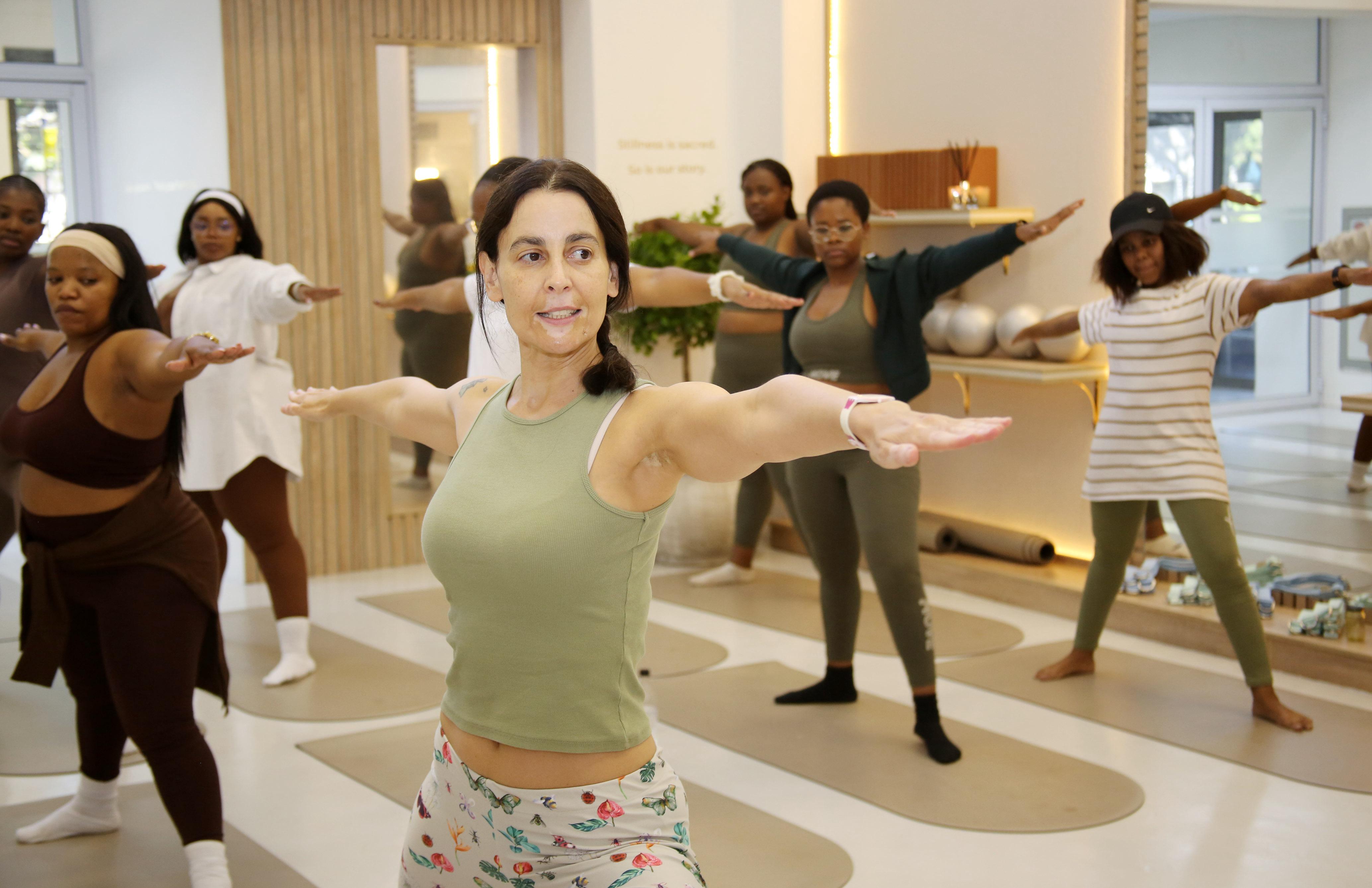
For many Pilates practitioners, training alone is easy to give up due to lack of motivation and difficulty in persisting in movements. However, Pilates group classes (usually 6-12 people per class) have become the choice of more and more people due to the unique advantages of "social interaction + collective motivation". Group classes not only provide professional coach guidance but also allow practitioners to gain a sense of belonging and accomplishment in a collective atmosphere, effectively improving the sustainability of training and making Pilates a long-term healthy habit.
The primary advantage of Pilates group classes is "collective motivation to overcome laziness". When training alone, people often give up due to excuses such as "too tired today" or "don't want to move". In group classes, the collective training atmosphere can effectively stimulate the enthusiasm of practitioners. When seeing peers around seriously completing movements - some grit their teeth to finish the last set of "plank", some try to adjust their breathing to match "spinal curl", this "persistence of others" will be transformed into their own motivation, reducing the idea of giving up. At the same time, coaches will set "phased small goals" in group classes, such as "everyone completes 10 standard bridges this week" and "collectively challenge the advanced single-leg stretch at the end of the month". Through the setting of collective goals, practitioners feel that "they are not fighting alone", and thus are more willing to persist in training. Many practitioners report that after attending group classes, the training frequency has increased from "once a week" to "2-3 times a week", and the abandonment rate has decreased by more than 40%.
Secondly, group classes can provide "social interaction to enrich the training experience". In group classes, practitioners come from different industries and age groups, but gather together due to their common love for Pilates. Greetings before training, mutual encouragement during training, and experience sharing after training can naturally form a social circle. For example, after class, everyone will exchange "how to persist in practicing at home" and "which movement is more effective in improving shoulder and back pain", and even make appointments to participate in Pilates-themed activities (such as Pilates outdoor experience days, equipment training salons); for office workers or people living alone, this social interaction can also alleviate loneliness, making training no longer a "boring task" but an "expected social time". Data shows that among practitioners attending group classes, 65% said they made new friends through the courses, and 40% established long-term fitness partnerships with classmates.
In addition, group classes can "reduce training costs and improve cost-effectiveness". Compared with one-on-one private classes (usually 300-500 yuan per session), group classes have a lower single-session cost (usually 80-150 yuan), which is more friendly to practitioners with limited budgets; at the same time, group classes are also equipped with professional coaches who will correct each student's movements one by one in class - for example, if someone's waist collapses during "bridge pose", the coach will step forward to adjust their hip force in time; if someone's shoulders are tight during "cat stretch", the coach will guide them