



Global Pilates Market Trends — A New Growth Engine in the Wellness Industry
In recent years, the global Pilates market has experienced rapid growth. With rising health awareness and the popularity of mind-body balance concepts, Pilates has evolved from a niche practice into a mainstream fitness trend. According to industry reports, between 2024 and 2030, the global Pilates market is expected to grow at an annual rate of over 10%, making it one of the most promising sectors in the wellness industry.
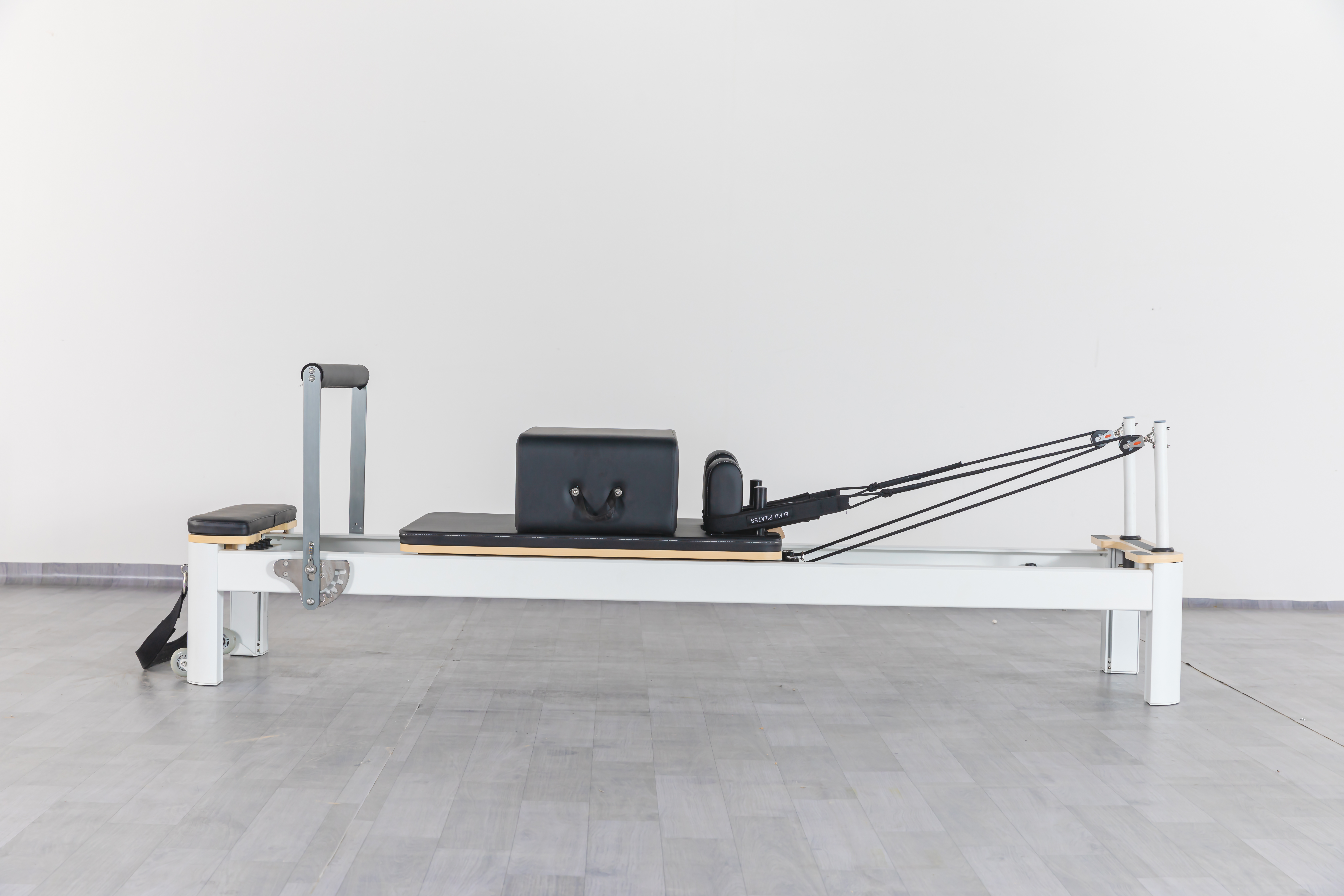
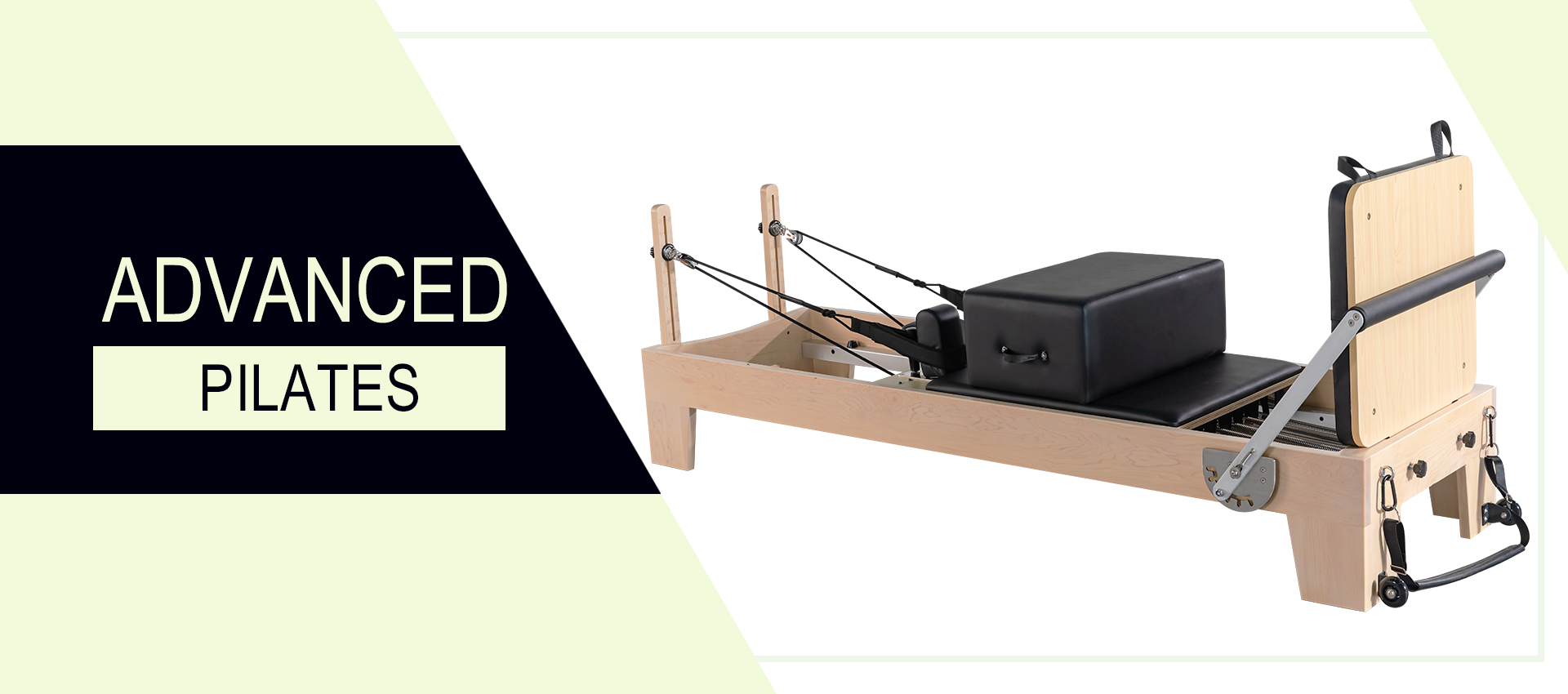
Three key factors drive this growth: evolving health perceptions, the rise of home fitness, and the increasing influence of female consumers. In the post-pandemic era, people seek sustainable health solutions. Pilates, known for its low-impact yet highly controlled movements, has become a preferred option. The growing accessibility of equipment — such as Reformers, Chairs, and Cadillacs — has also blurred the line between home and studio training, expanding the consumer base.
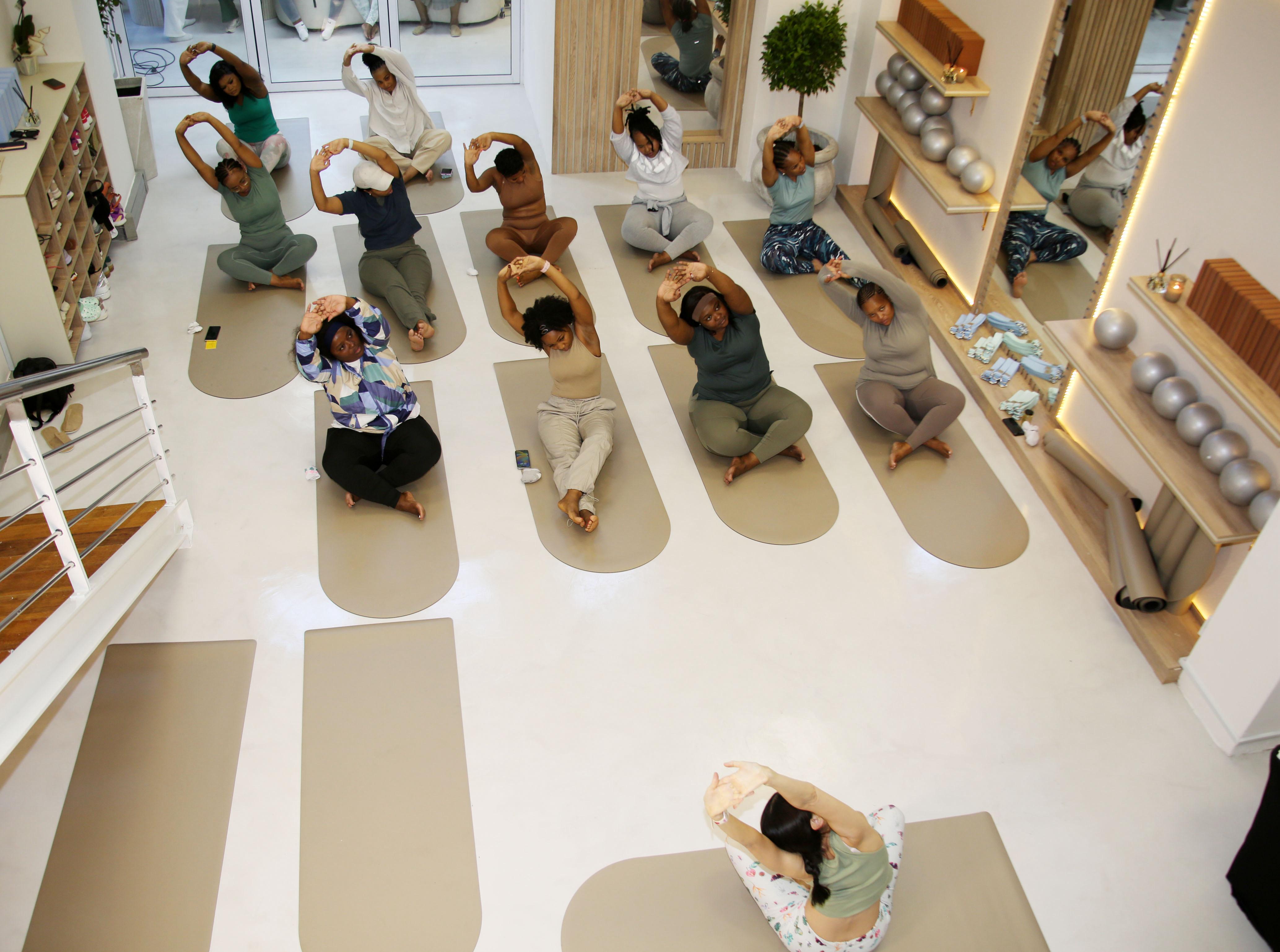
While the United States, Australia, and Europe remain leading markets, Asia is emerging as a major growth region. Countries like China, Japan, and South Korea have seen the number of Pilates studios double in the past three years, fueling local manufacturing and training development.
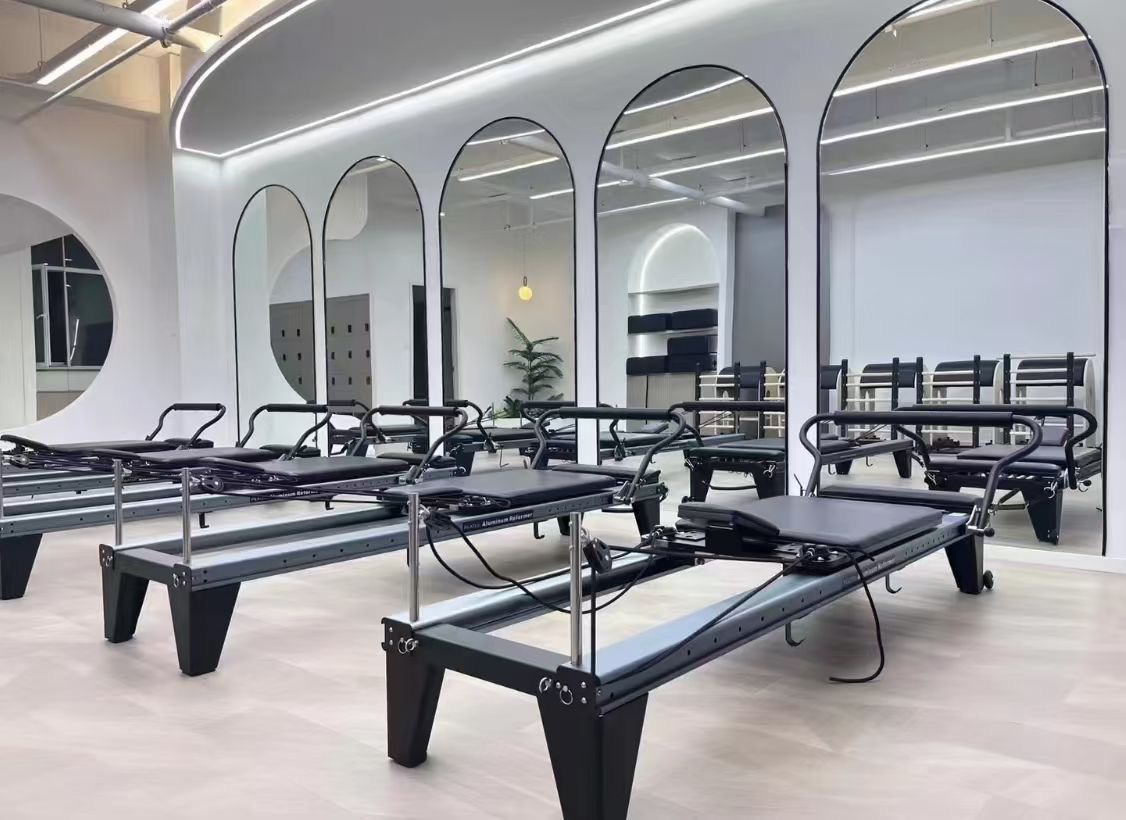
For investors, the Pilates sector offers steady returns and flexible business models. Compared to traditional gyms, Pilates studios require less space and offer higher customer retention rates. Moreover, digital instruction and virtual private coaching are expanding revenue opportunities.
Pilates is no longer just a workout — it has become a lifestyle symbol representing discipline, balance, and quality wellness. Over the next decade, as the pursuit of holistic health continues to rise, Pilates will remain a driving force in the global wellness economy.