

Pilates: The Scientific Art of Rebuilding Body Balance
In today’s fast-paced world, our bodies silently endure the consequences of imbalance. Long hours at the desk, screen time, poor posture, and lack of exercise gradually weaken muscle coordination, restrict joint mobility, and lead to chronic pain. Pilates offers a scientific yet gentle approach to restore the body’s natural alignment. Combining anatomy-based precision, controlled movement, and mindful breathing, Pilates helps rebuild stability and strength from the inside out.
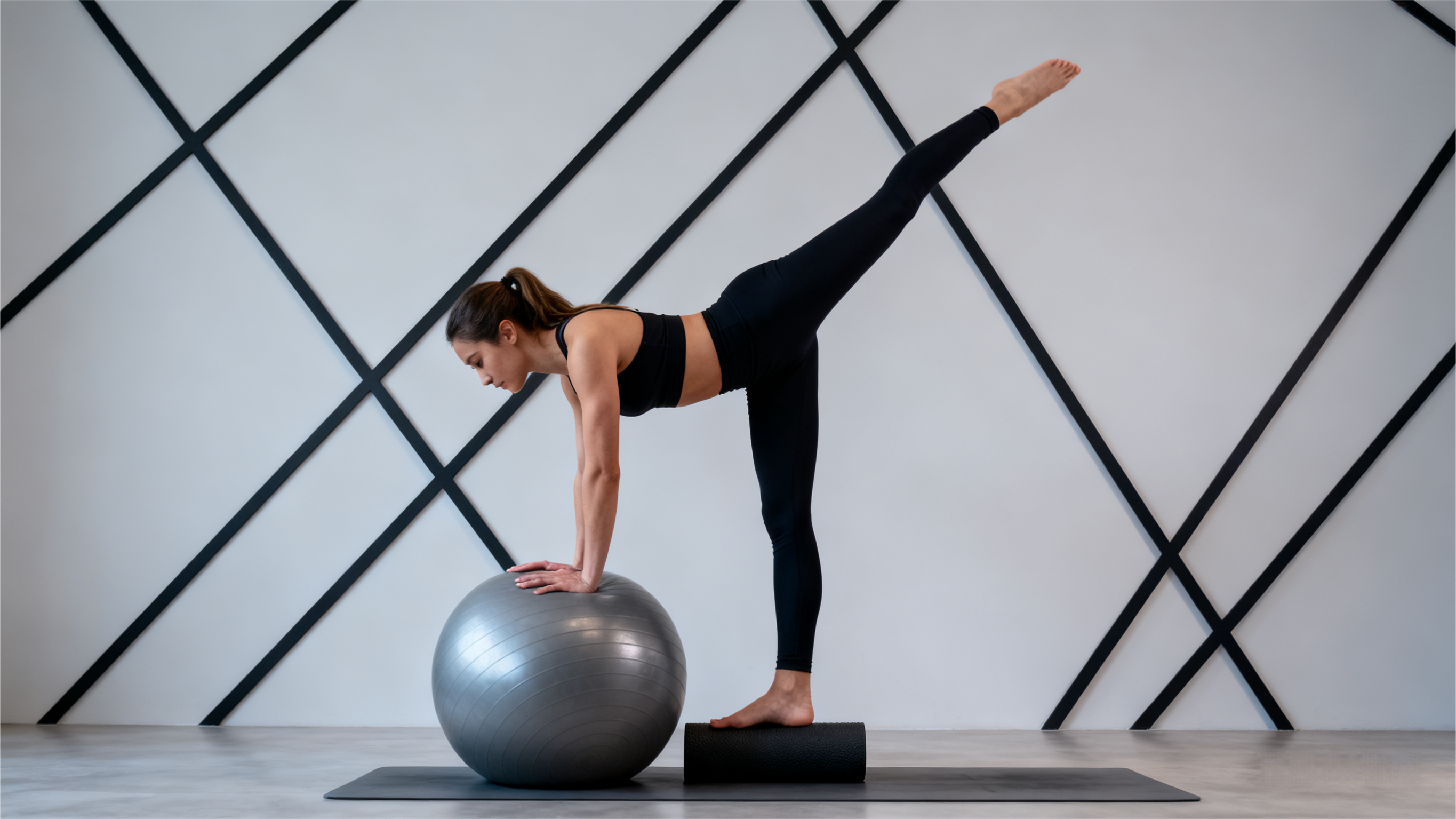
The central philosophy of Pilates is “control.” Every motion is executed with awareness rather than repetition. The connection between breath and movement awakens the body’s intelligence. Deep core muscles—such as the transversus abdominis, pelvic floor, and lumbar stabilizers—are engaged and coordinated throughout the practice. These foundational muscles form the root of strength, supporting the spine and maintaining balance.
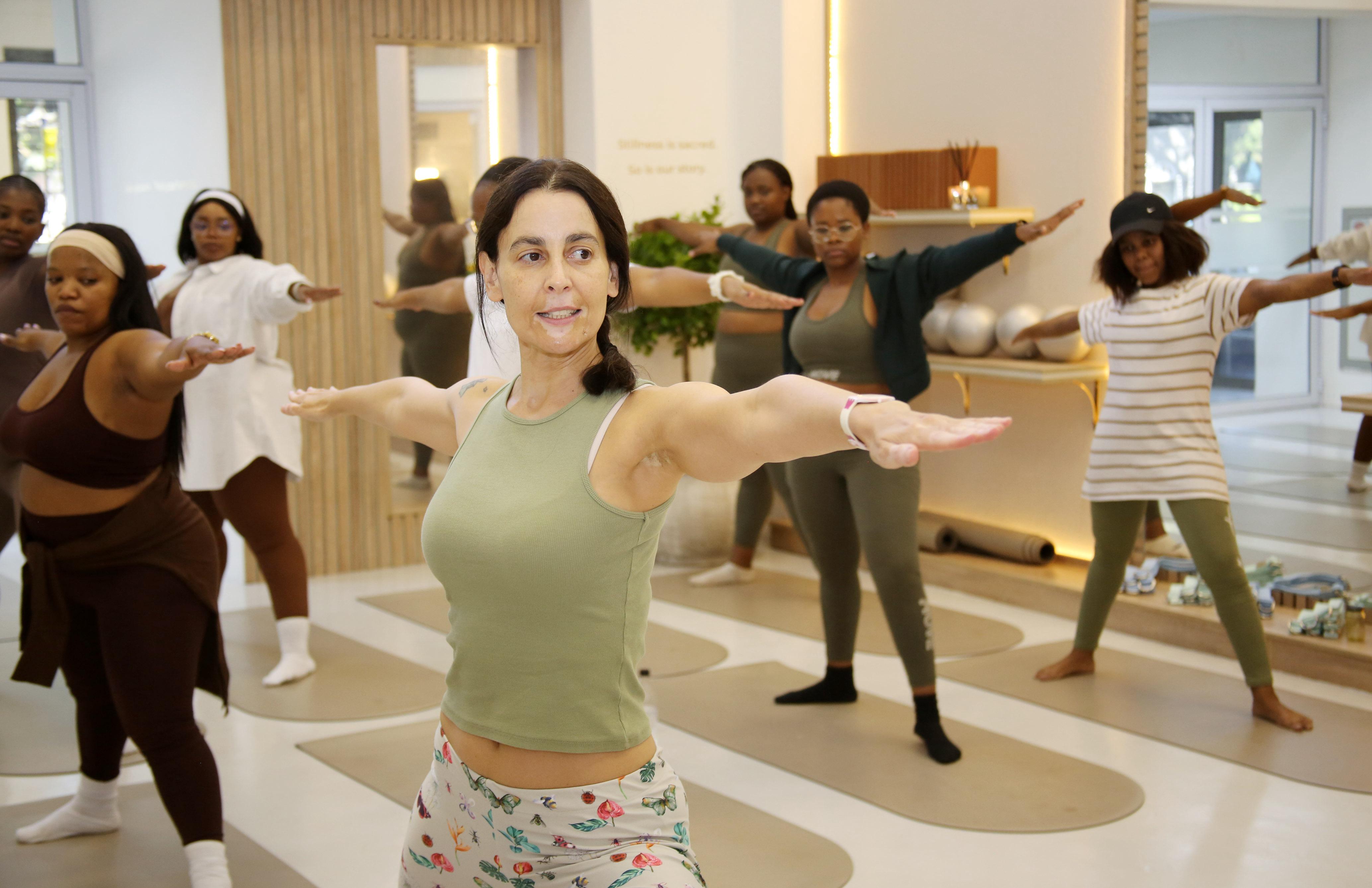
With consistent practice, the body becomes upright, flexible, and harmonized. The spine regains its natural curve, joints move smoothly, and posture improves. For many practitioners, the transformation extends beyond the physical form—it is also a mental awakening, a rediscovery of one’s connection with the body.
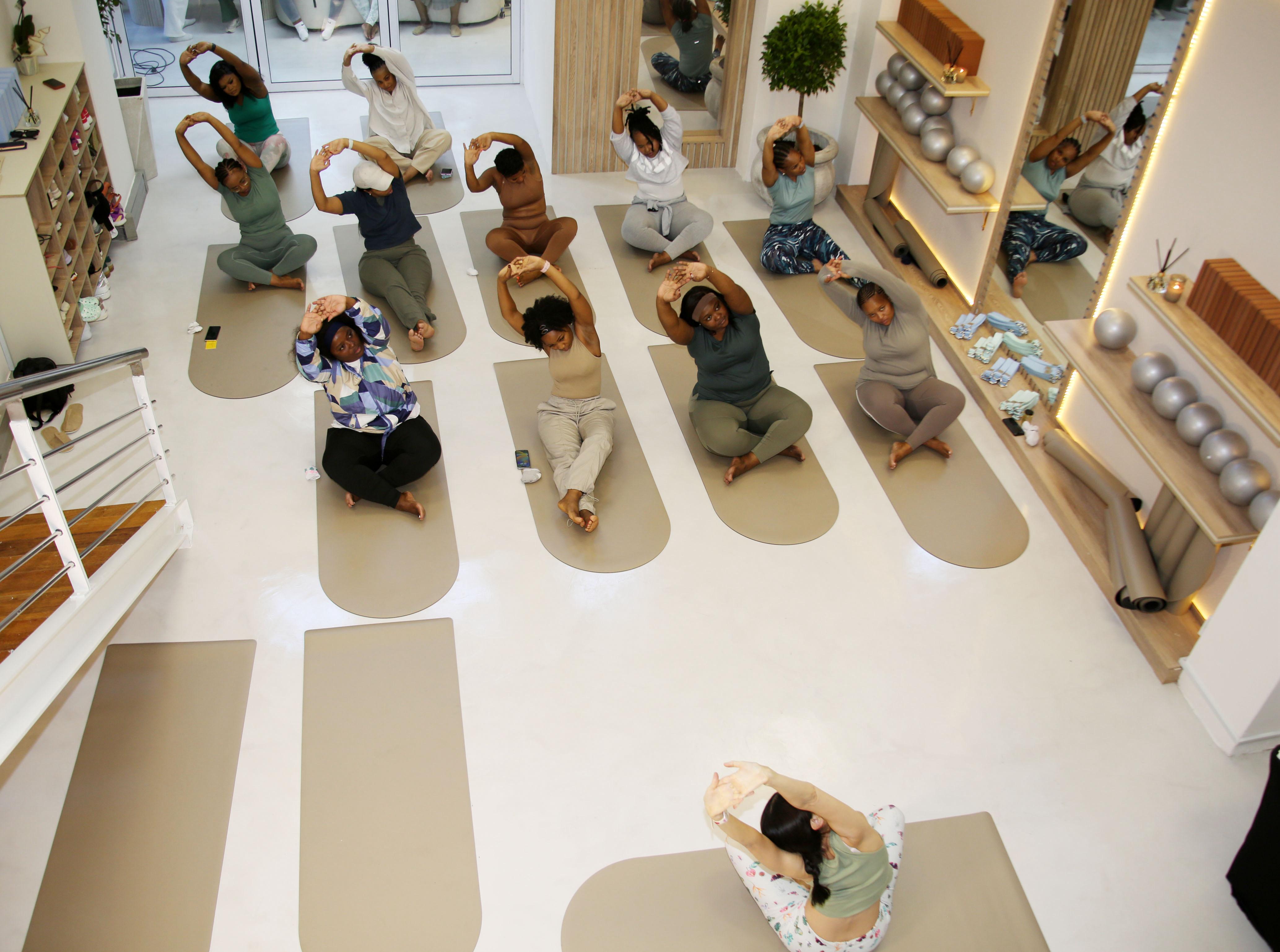
Unlike high-intensity workouts, Pilates emphasizes “strength in stability.” It helps office workers relieve neck and lower back pain, supports athletes with deep stabilization, and assists those in rehabilitation to rebuild functional movement. Pilates is suitable for all ages and fitness levels. It transforms exercise from a mechanical task into a mindful dialogue with one’s own body.
Ultimately, Pilates is more than a workout—it is an art of movement. It teaches us to use strength gently, to find balance within breath, and to achieve freedom through control. When the body regains its center, the mind naturally follows with calmness and confidence.