

Pilates and Postpartum Recovery: Gently Rebuilding Women’s Strength
Postpartum women experience significant physical changes, including weakened pelvic floor muscles, diastasis recti, reduced core strength, and altered posture. These changes often lead to lower back pain, fatigue, and general discomfort. Pilates offers a safe, gentle, and scientific approach to postpartum recovery, helping the body restore strength and balance at a natural pace.
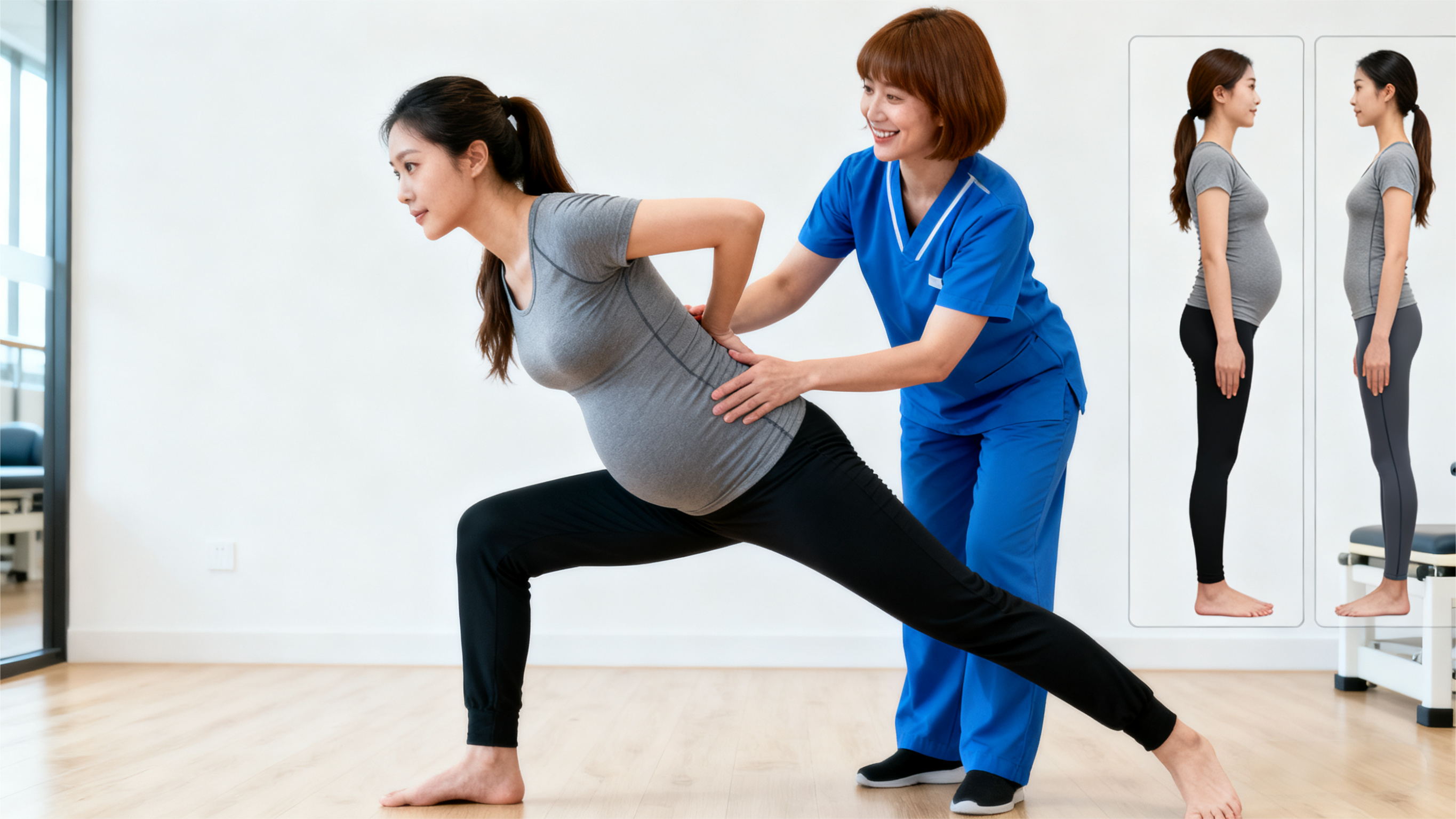
The core of Pilates training focuses on activating deep core muscles and coordinating breath. By engaging the transversus abdominis, pelvic floor, and deep back muscles, women can gradually rebuild core strength, support the spine and pelvis, and alleviate back pain. Movements are designed to be gentle, emphasizing posture, control, and breathing, avoiding excessive load, making it an ideal method for postpartum recovery.
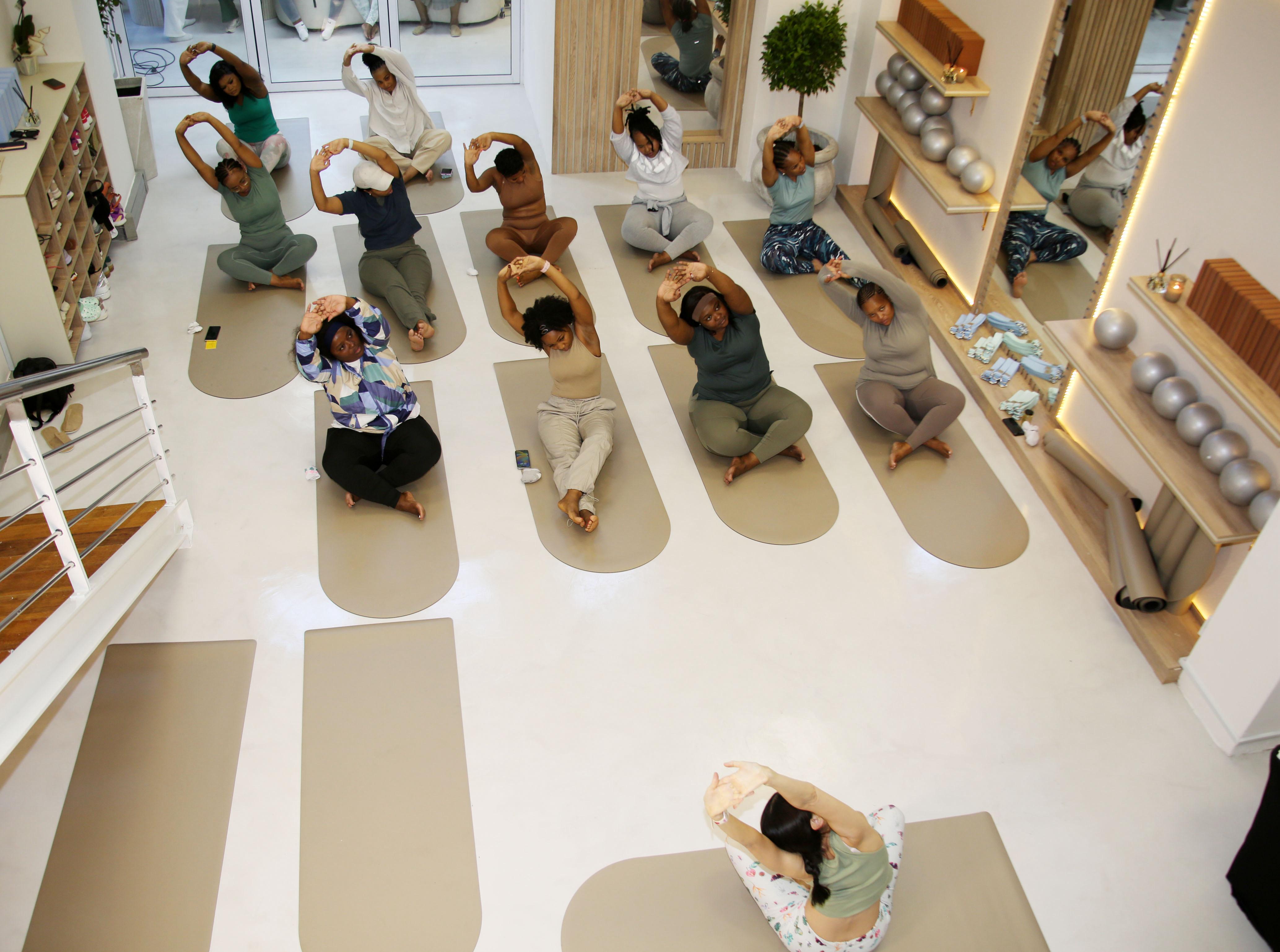
Postpartum Pilates also emphasizes posture reconstruction. Exercises such as bridges, cat stretches, and spinal rolls help lengthen tight muscles and realign the pelvis, restoring balance. Long-term practice can improve slouched shoulders, neck tension, and lower back discomfort while enhancing strength and flexibility.
Psychologically, Pilates combines breath and movement to relax the nervous system, reduce anxiety and stress, and help new mothers regain confidence and a sense of security. The practice allows women to experience healing for both body and mind simultaneously.
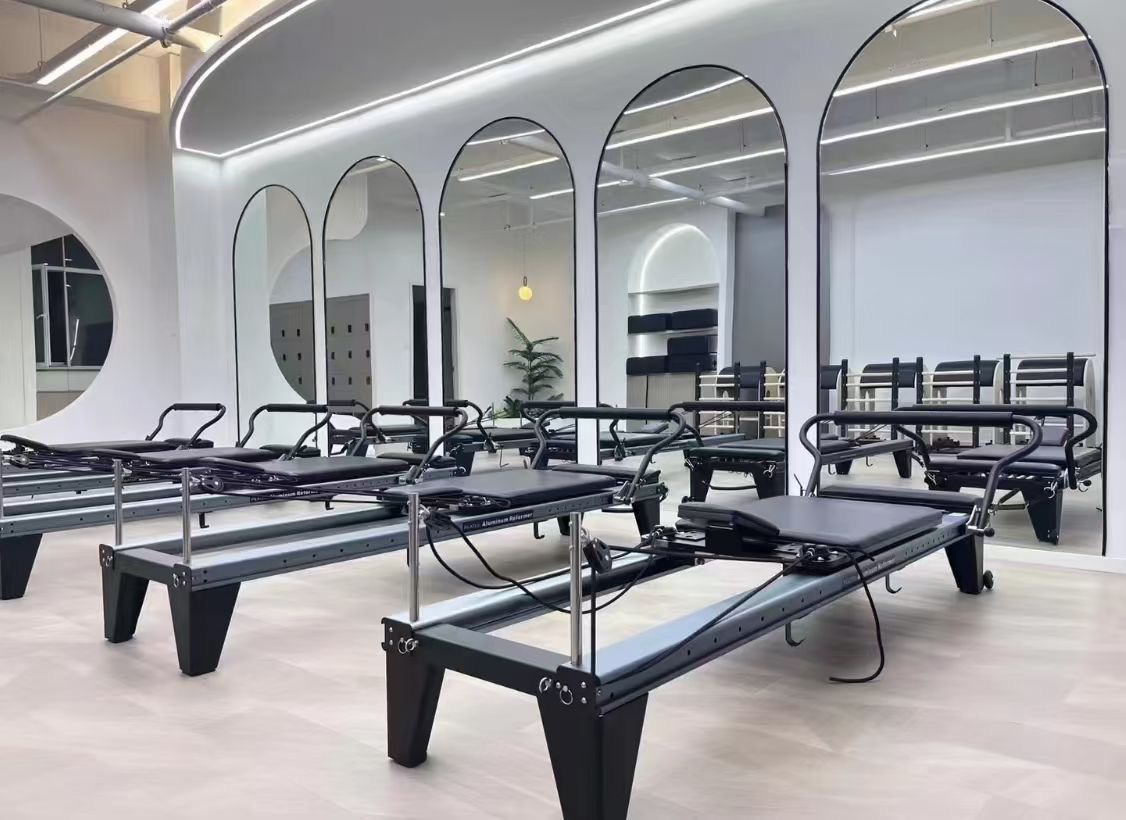
Increasingly, postpartum rehabilitation centers and fitness institutions are integrating Pilates into their programs. Its gentle and safe nature, along with its long-term benefits, makes it a sustainable solution for women’s health. Postpartum Pilates is not just about regaining physical shape—it is a process of rebuilding body awareness and personal strength, helping women stay healthy and confident in their role as mothers.