

Pilates and Spinal Health: Maintaining Flexibility and Stability
In modern life, prolonged sitting, looking down at screens, and high stress levels have made spinal health a growing concern. Poor spinal alignment, stiff shoulders and neck, and back pain are increasingly common. Pilates offers an effective solution through spinal articulation, core activation, and flexibility training.
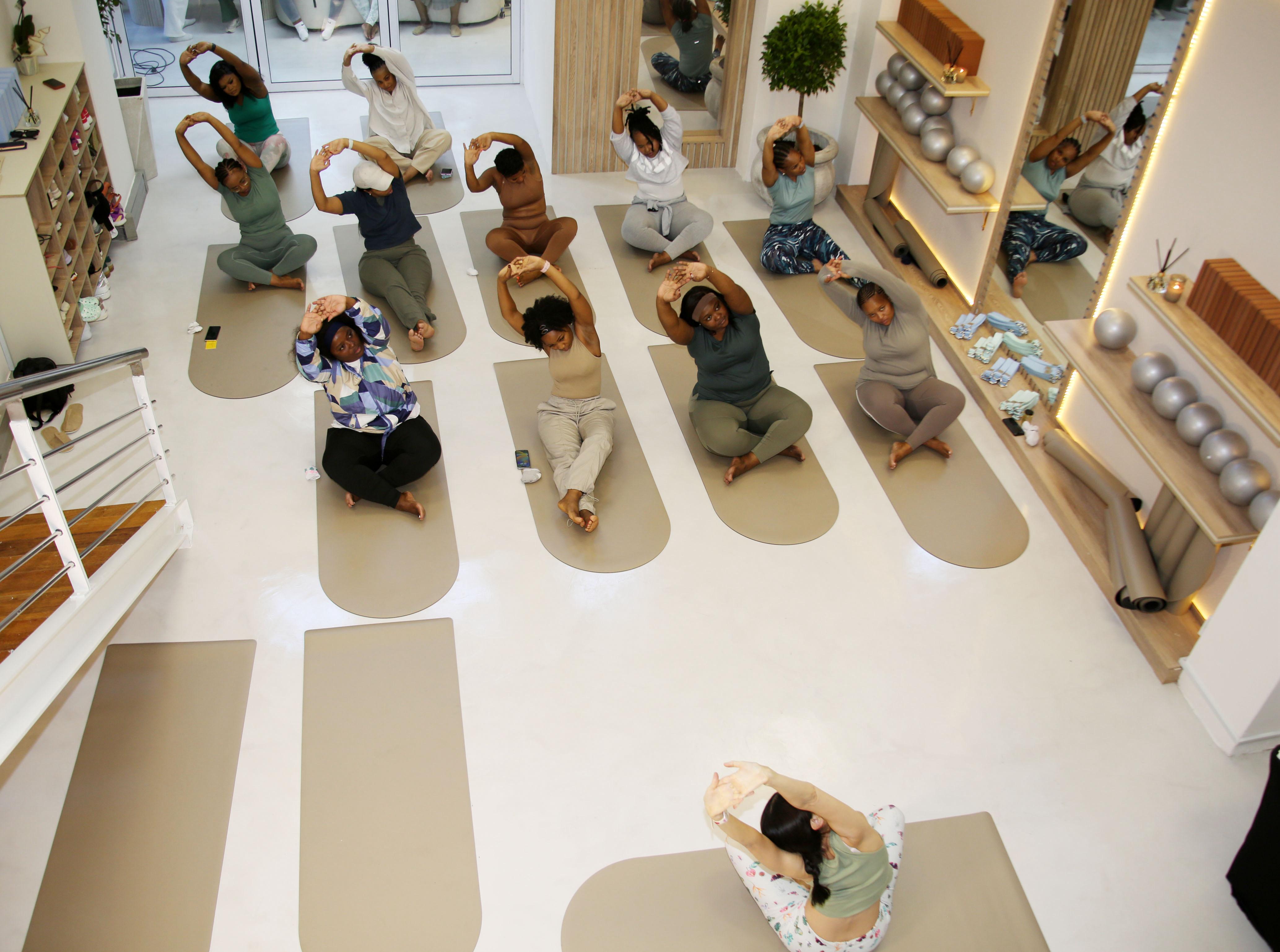
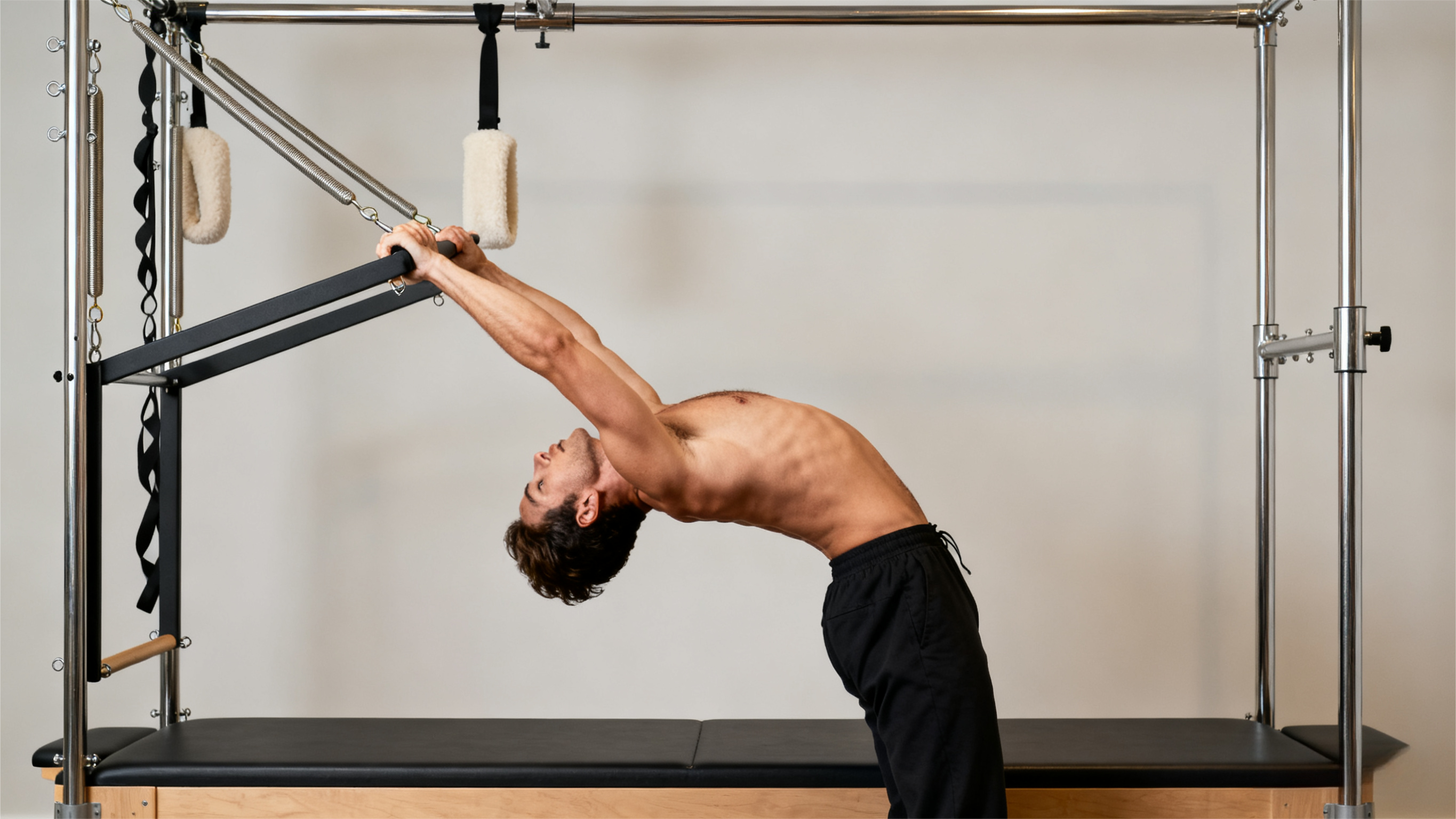
The spine is the body’s central support, and Pilates emphasizes movement in each spinal segment. By controlling breath and motion, the spine gradually regains its natural curves, improving slouched posture, forward shoulders, and lower back tension. Exercises such as bridges, cat stretches, and spinal rolls not only stretch tight muscles but also activate deep stabilizing muscles, enhancing spinal flexibility and stability.
In Pilates training, the coordination of core muscles and deep back muscles supports the spine and alleviates chronic pain. Regular practice improves standing and sitting posture, enhances body awareness, and allows the spine to remain stable and flexible in daily life.
Additionally, Pilates emphasizes body awareness, helping practitioners feel muscle extension and spinal movement, reducing the risk of injury from incorrect posture. The combination of breathing and mindfulness also helps relieve stress and balance the nervous system.
More rehabilitation centers and fitness institutions are adopting Pilates as the preferred method for spinal health. Whether for office workers, fitness enthusiasts, or those in rehabilitation, Pilates improves spinal function and quality of life. It is not just exercise—it is a form of self-care that restores the spine’s flexibility and stability.