


Pilates and Mental Balance: Regulating Emotions Through the Body
In today’s fast-paced life, stress and anxiety are almost everywhere. Shoulder and neck tension, chest tightness, and shallow sleep are all signs that the body needs adjustment. Pilates focuses not only on physical health but also emphasizes regulating mental states through movement and breath, achieving mind-body balance.
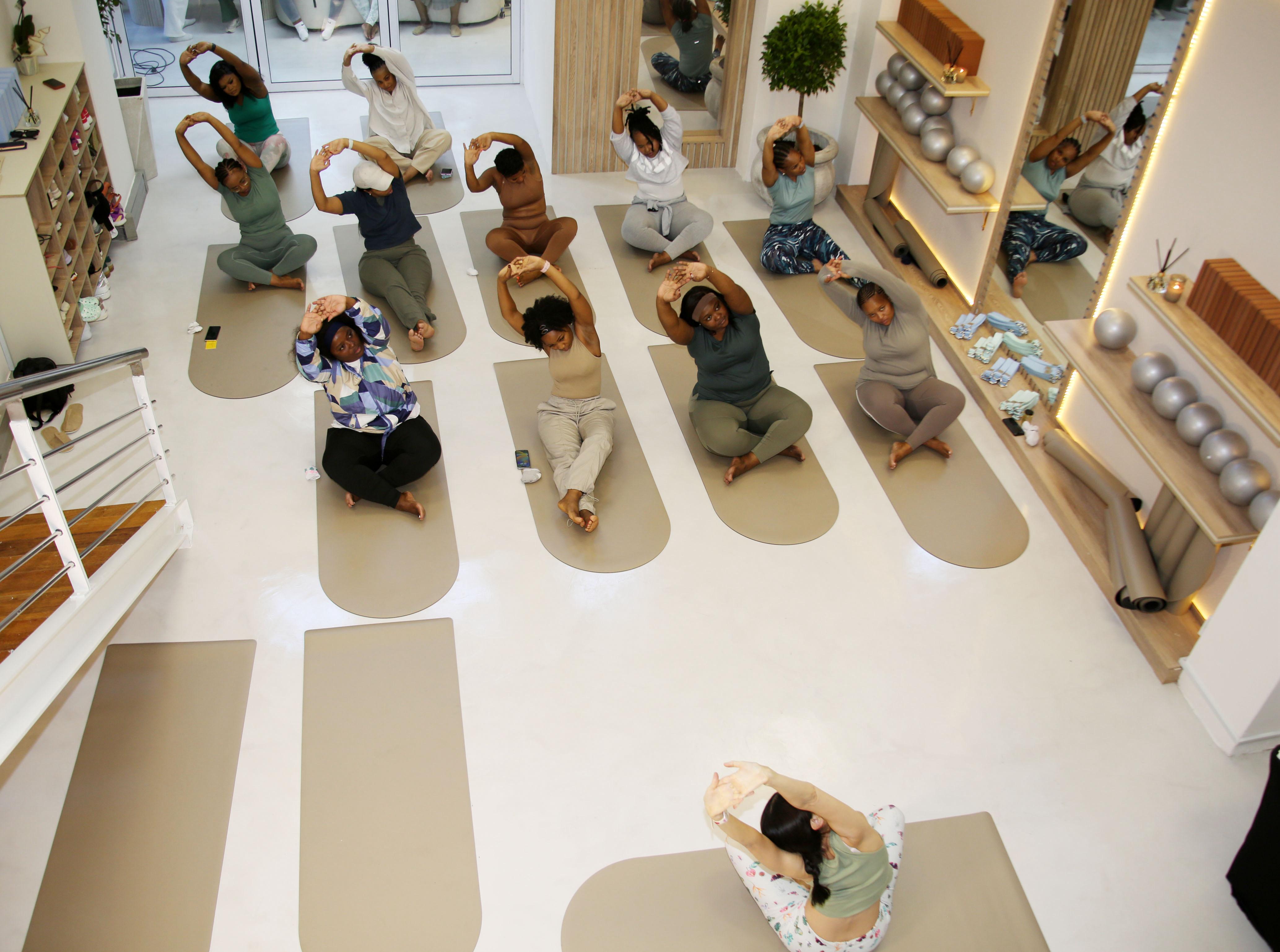
In Pilates practice, each movement is coordinated with breath, activating core and deep muscles while stimulating the nervous system to create a sense of relaxation. By focusing on movement and body awareness, people can temporarily detach from external stress and reconnect with their own body.
Psychological studies show that regular physical exercise can reduce anxiety and depressive symptoms. Pilates, with its gentle and flowing movements, allows the body to perceive these effects more easily. Combining spinal stretches, shoulder-back opening, and core activation, Pilates releases tension in the body and stabilizes mood.
Pilates also cultivates focus and self-awareness. Practitioners learn to observe their breathing, follow movement sequences, and feel muscle contraction and release. This mind-body connection not only improves emotions but also enhances work efficiency, learning ability, and daily focus.
For these reasons, Pilates is increasingly incorporated into mental health and rehabilitation programs. It is more than physical exercise; it is a form of psychological therapy, allowing people to find inner calm and strength through breath, flow, and control. With long-term practice, the body feels lighter and the mind becomes steadier.