

Pilates and Pregnancy Exercise Safety: Phased Training to Protect Mother and Baby Health
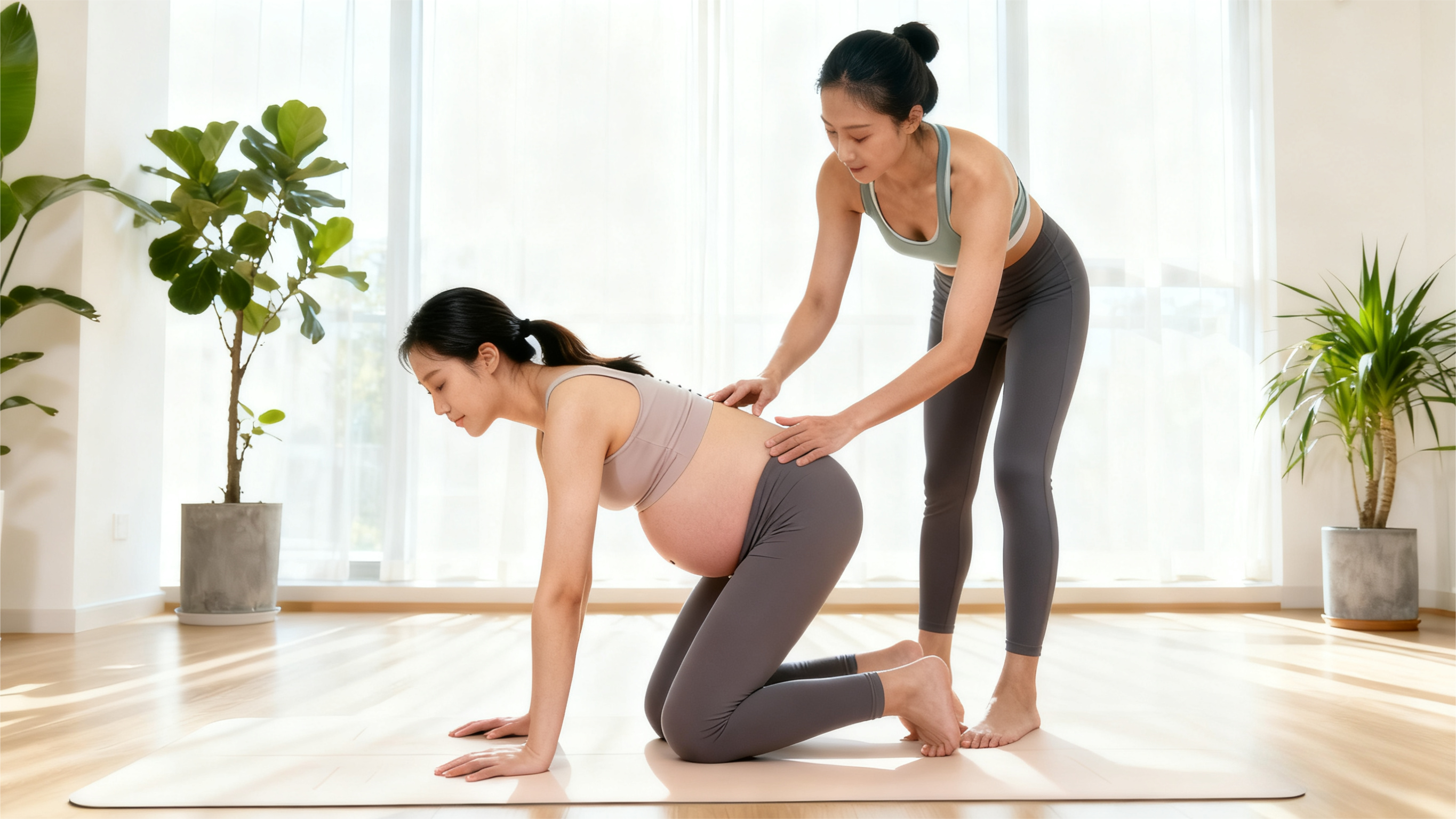
Proper exercise during pregnancy helps relieve morning sickness and control weight, but it is necessary to balance the safety of mother and baby. Pilates has become an ideal exercise choice during pregnancy due to its "low impact and strong controllability", but it is necessary to formulate phased training plans according to the physiological changes of the first trimester (1-3 months), second trimester (4-6 months), and third trimester (7-9 months).
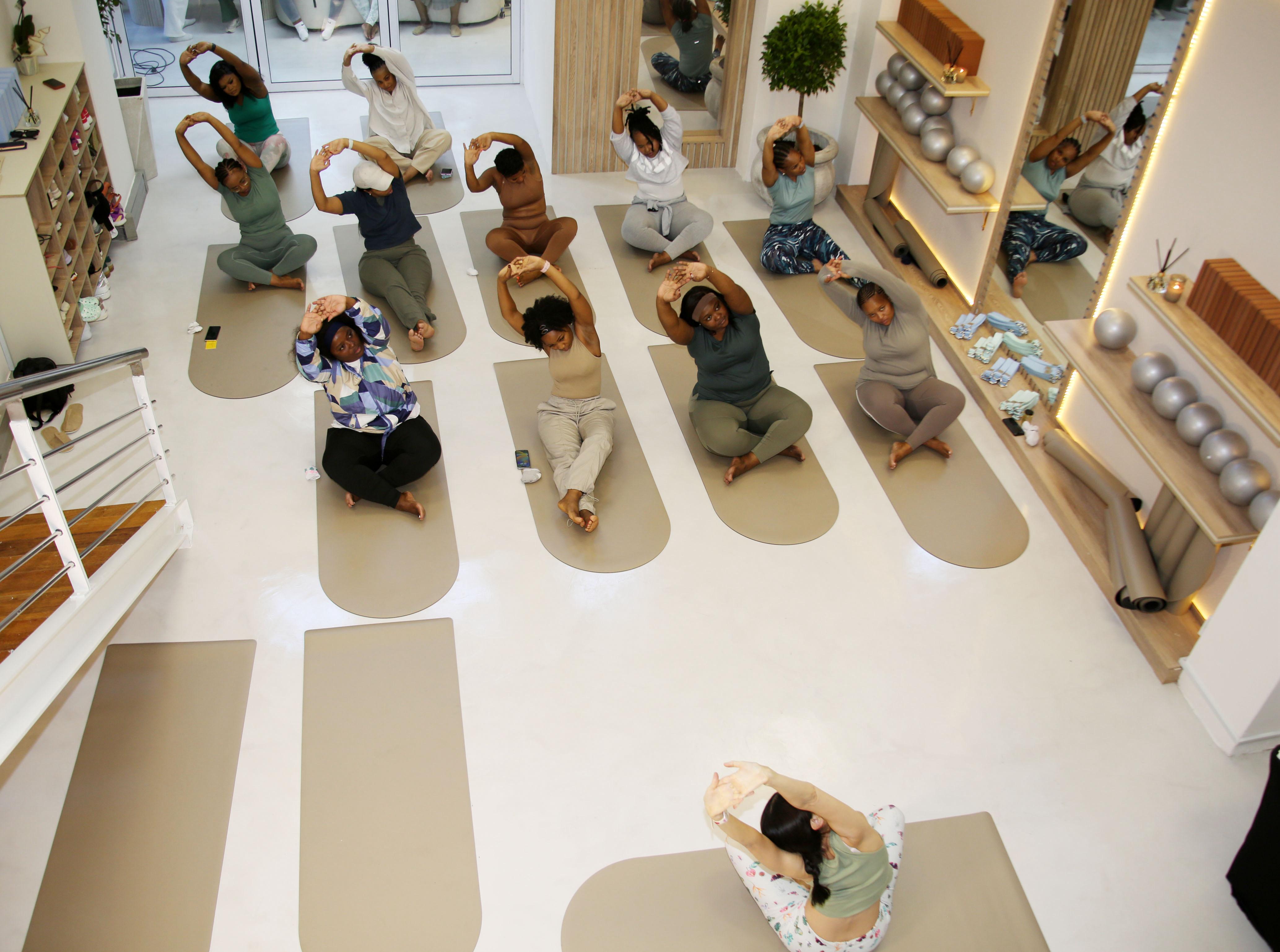
The first trimester (1-3 months) focuses on "breathing and core perception", and "sitting abdominal breathing" is recommended: sit on a non-slip mat, put hands on the abdomen, inhale for 4 seconds to feel the abdomen bulge (avoid holding breath), exhale for 6 seconds to slowly tighten the abdomen, 10 minutes each time, once a day, helping to adapt to pregnancy breathing changes and relieve morning sickness discomfort. In the second trimester (4-6 months), "side-lying leg lift" can be added: lie on the side with bent knees, slowly lift the upper leg (no more than 30 degrees), 8 times per side, strengthen the gluteal muscles, and prevent low back pain during pregnancy. The third trimester (7-9 months) focuses on "pelvic floor muscles and childbirth preparation", and do "pelvic floor muscle contraction training": sit or stand, slowly contract the pelvic floor muscles (like the feeling of stopping urination), hold for 3 seconds and then relax, 10 times per set, enhance the pelvic floor muscle support during childbirth.
Safety taboos: Avoid movements that compress the abdomen (such as crunches, planks); be accompanied by someone during training and carry warm water; stop immediately if discomfort such as abdominal pain or bleeding occurs. Insisting on Pilates during pregnancy can reduce the risk of difficult labor, and the postpartum recovery speed is accelerated by 30%.