


Pilates Equipment Maintenance and Care Guide: Extend Equipment Life, Ensure Training Safety
The service life and training safety of Pilates equipment (such as Reformers and Wunda Chairs) are inseparable from daily scientific maintenance. This guide teaches you to properly maintain Pilates equipment from three aspects: cleaning, part inspection, and regular maintenance, avoiding training risks caused by equipment failures, and extending the service life of equipment (usually by 2-3 years).
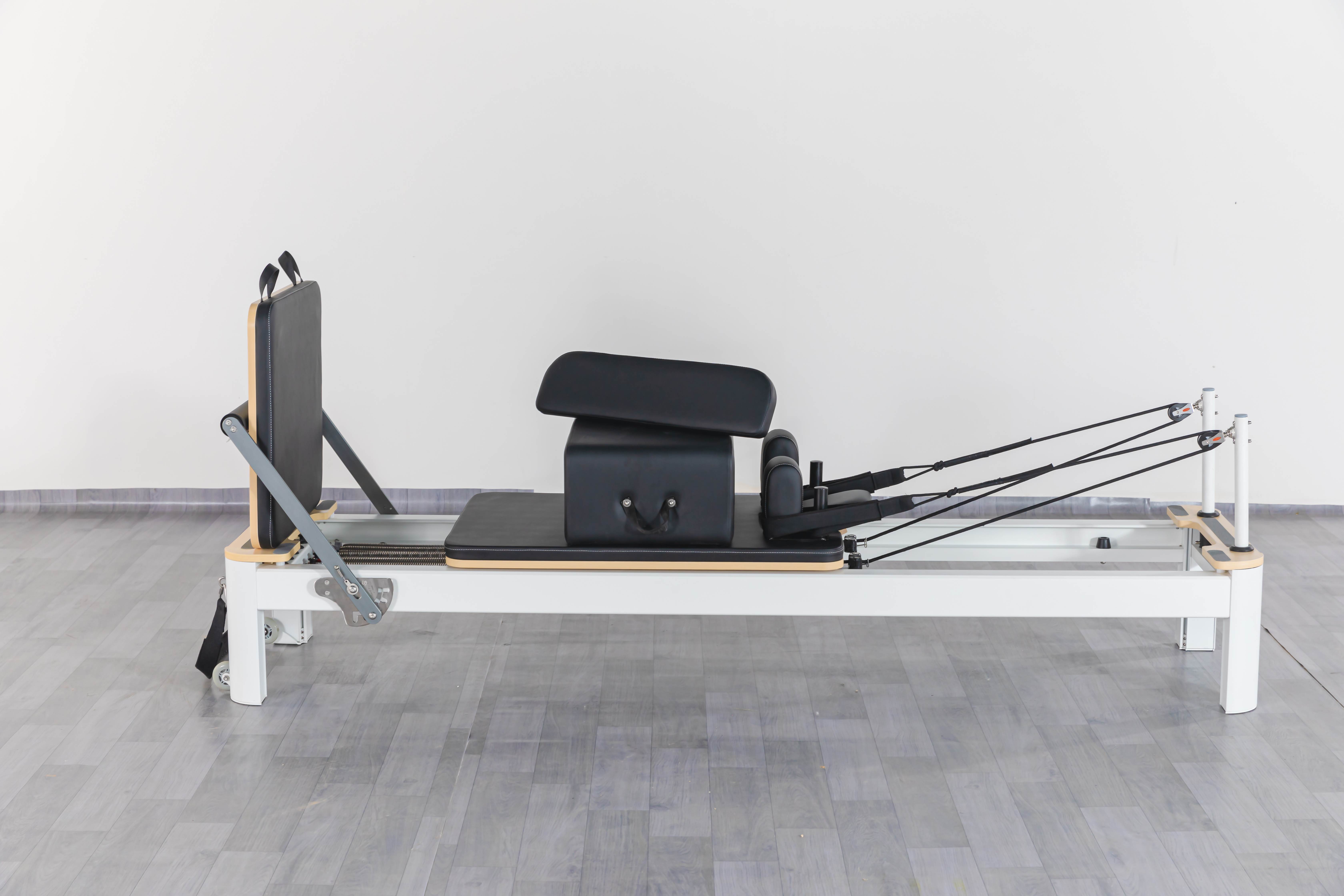
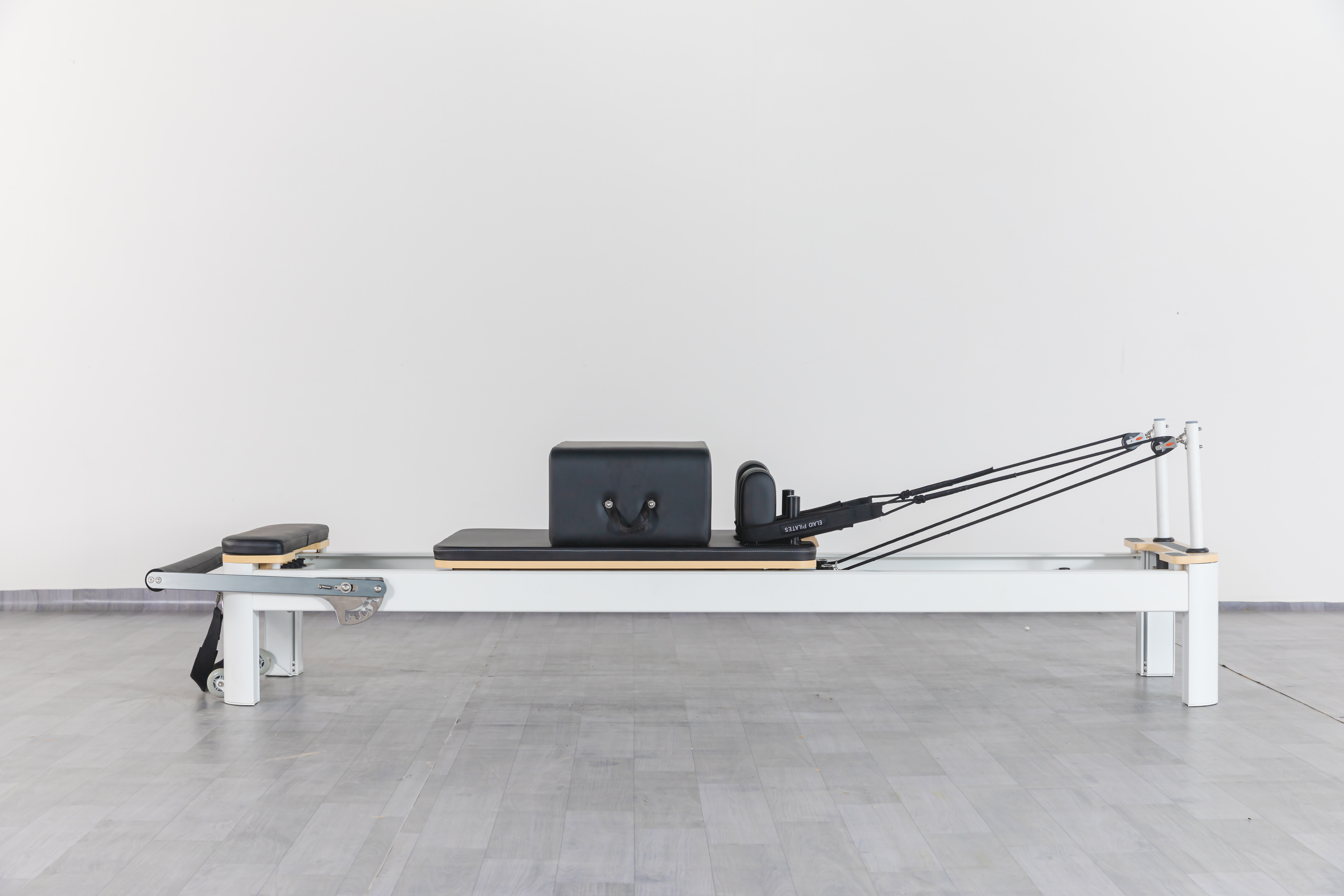
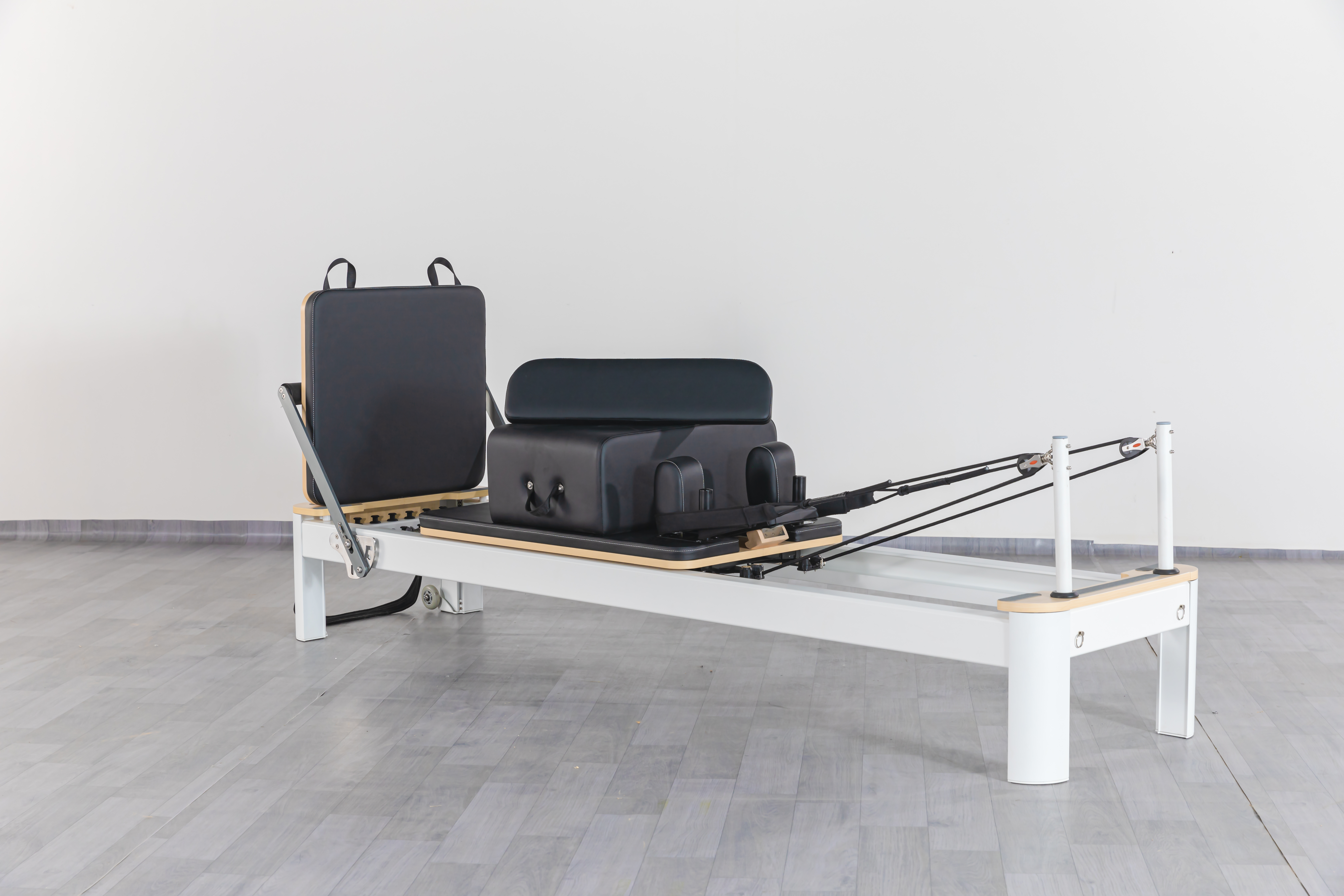
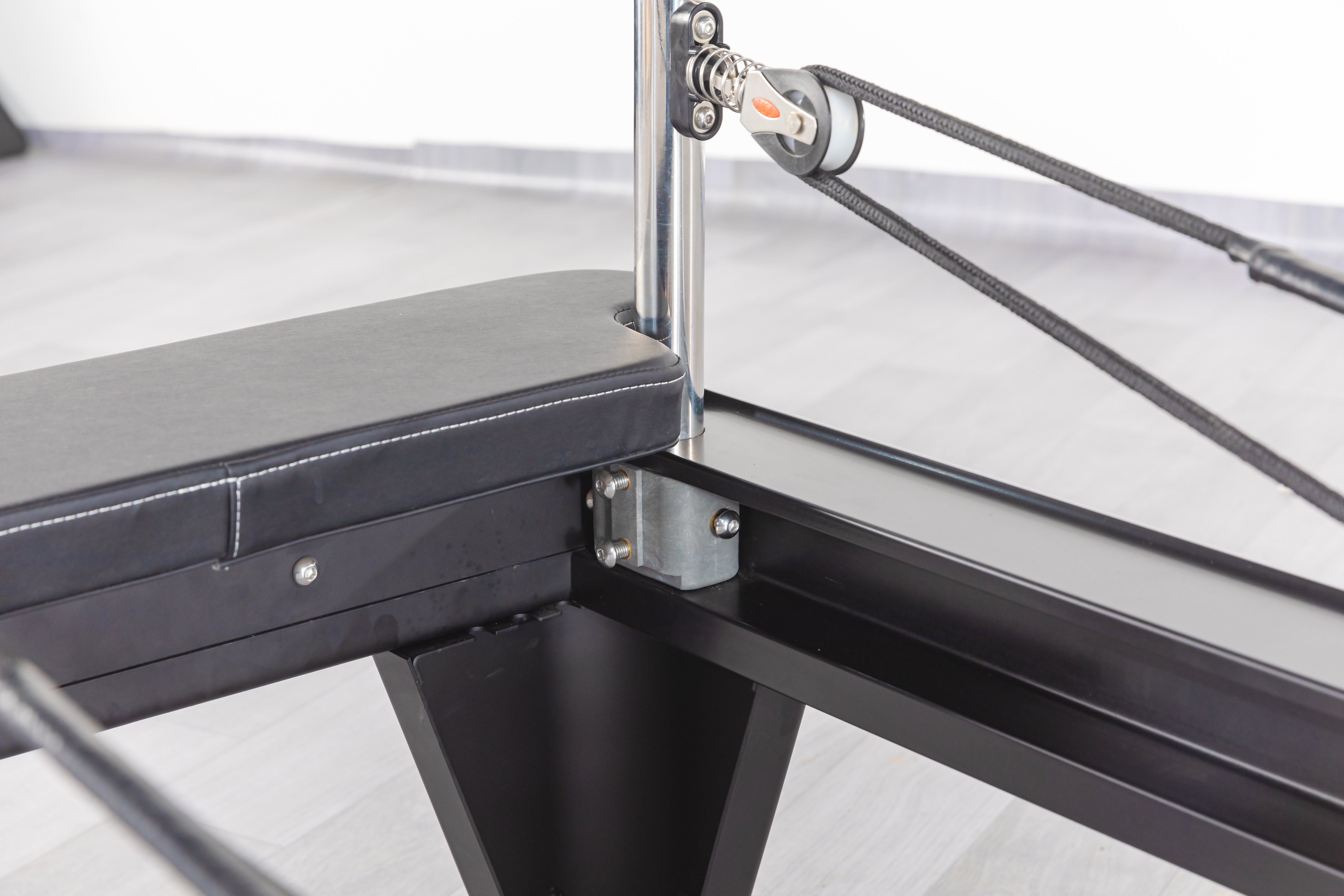
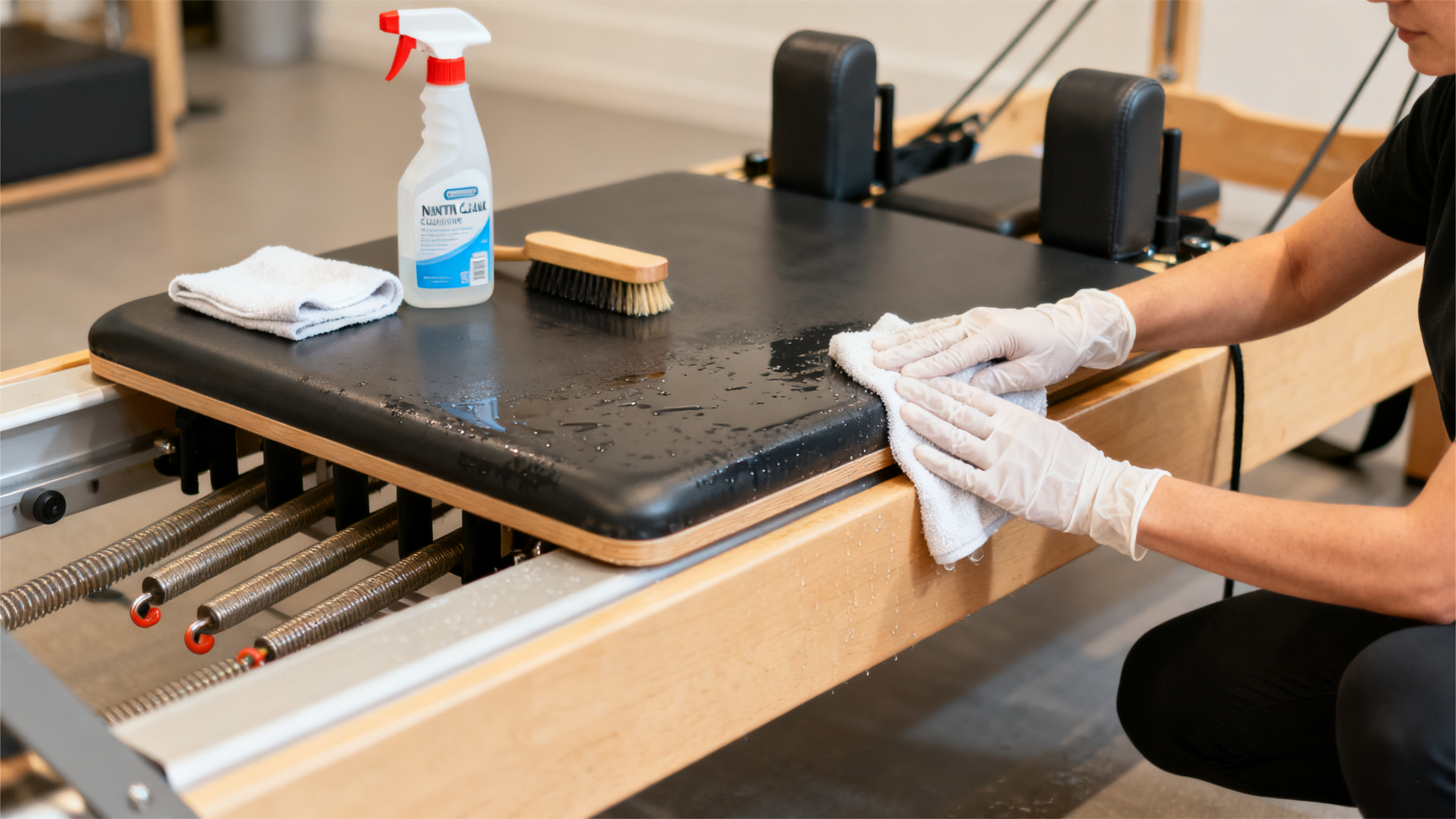
Daily cleaning precautions: After training, wipe the equipment surface (especially high-frequency contact parts such as Reformer footbars and Wunda Chair armrests) with a neutral cleaner (such as diluted soapy water), avoid using alcohol or strong acid cleaners (to prevent corrosion of leather or metal parts); wipe the Reformer's sliding track with a dry cloth once a week to remove dust and impurities and prevent track jamming. Key part inspections: Reformer springs (check elasticity weekly, replace in time if deformation or elasticity decreases), footbar buckles (confirm the buckles are fully closed before each training to prevent footbar loosening); Wunda Chair hydraulic rods (check for oil leakage monthly, stop using immediately if oil leakage is found).
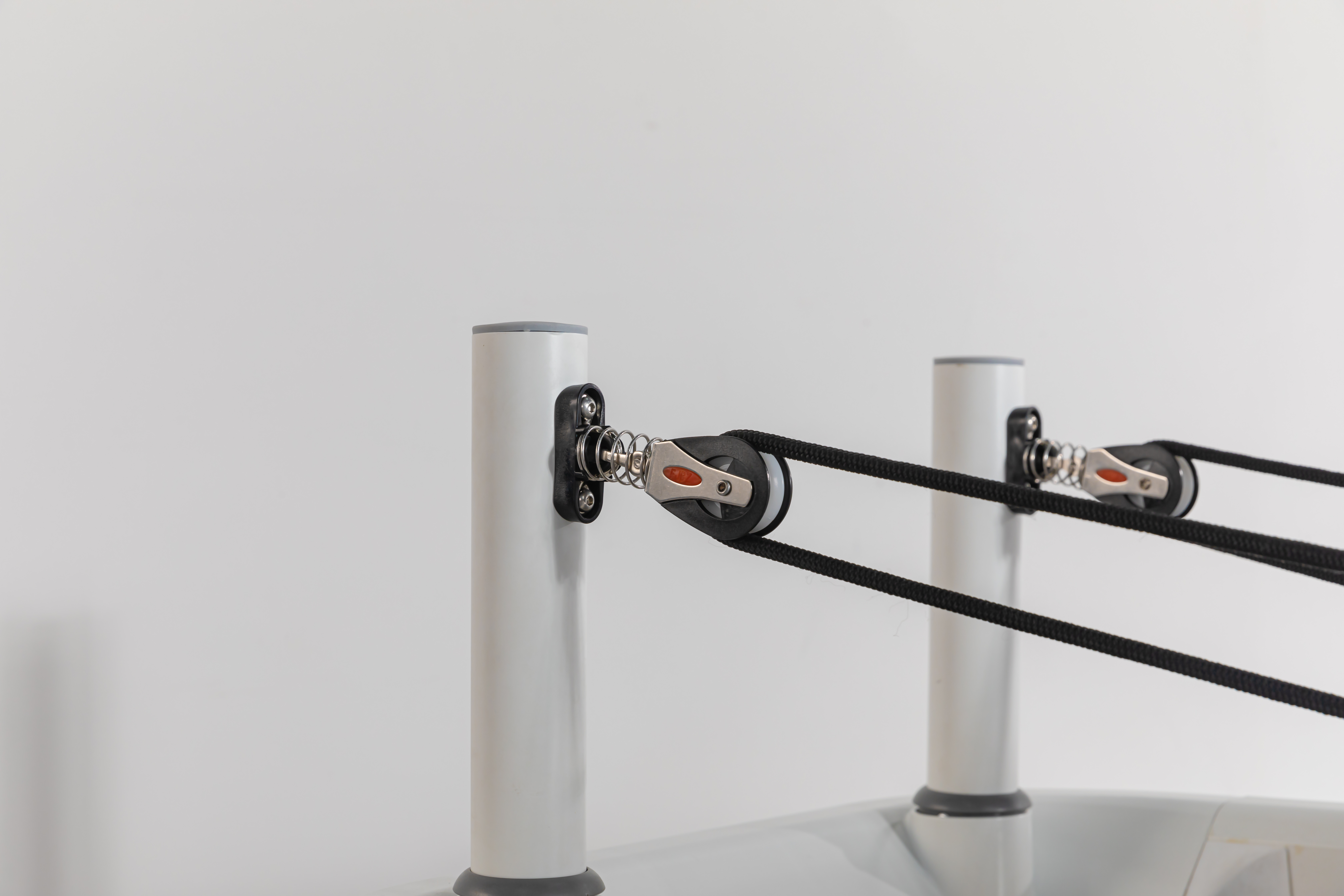
Regular maintenance suggestions: Apply anti-rust lubricating oil (such as hinges, bolts) to the metal joints of the equipment every 3 months; invite professionals for comprehensive maintenance every year (adjust spring tension, calibrate the parallelism of sliding tracks). Following this guide can not only ensure the safety of each training session but also reduce equipment maintenance costs, allowing Pilates equipment to maintain a good working condition for a long time.