

Pilates Seasonal Training Adjustment: Adapting to Seasonal Changes to Optimize Training Experience
Pilates training is not static. With the change of seasons, temperature, humidity and human body state will change. At this time, adjusting the training plan can better meet the needs of the body, avoid seasonal factors affecting training effects or causing discomfort. Whether it is hot summer, cold winter, or mild spring and autumn, it is necessary to make targeted adjustments from four dimensions: training intensity, movement selection, training time, and body protection, so that Pilates training is more in line with seasonal characteristics and improves training comfort and safety.
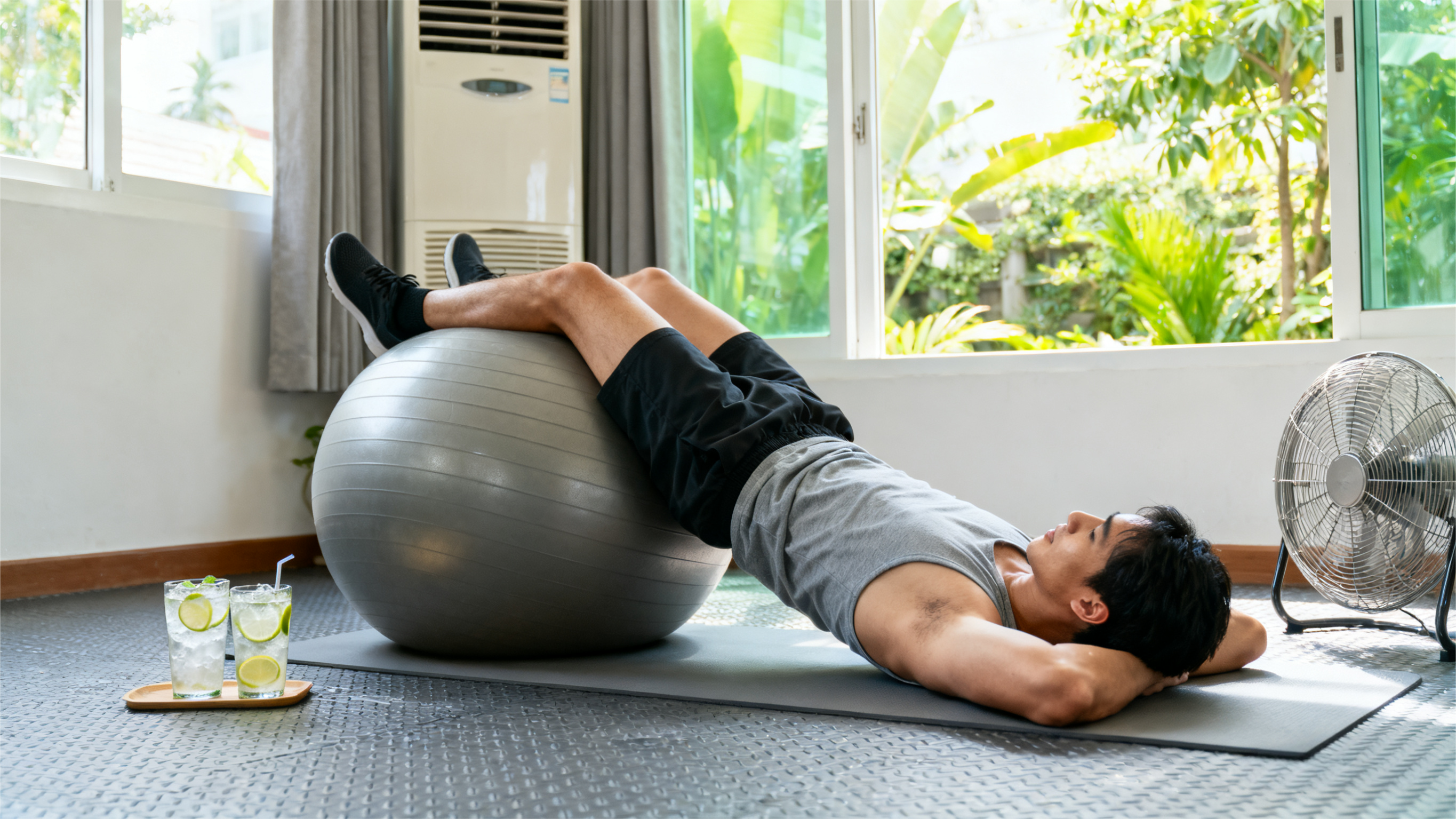
In summer, the temperature is high and the humidity is high, so the human body is prone to sweating and fatigue. Pilates training should focus on "relieving summer heat and avoiding heatstroke". First, the training intensity should be appropriately reduced, shortening the original 40-50 minute training duration to 30-40 minutes, reducing the proportion of high-intensity movements (such as rapid plank variations, continuous side leg lifts), and increasing the time of soothing movements (such as cat stretch, child's pose relaxation) to avoid excessive physical consumption; second, in terms of movement selection, prioritize mat-based low-amplitude movements, reduce movements that easily cause heavy sweating such as jumping and large-scale stretching, and at the same time increase the proportion of breathing training (such as lateral breathing, abdominal breathing). Conduct 5-10 minutes of breathing exercises before each training to help the body adapt to the high-temperature environment and stabilize the heart rate; the training time is recommended to avoid the high-temperature period from 10 am to 4 pm, and choose early morning (6-8 am) or evening (7-9 pm), when the temperature is lower and the air circulation is better; in terms of body protection, drink 200-300 ml of warm boiled water before training, and replenish water in small amounts and multiple times every 15 minutes during training (50-100 ml each time) to avoid gastrointestinal discomfort caused by drinking a large amount of water at one time; change wet clothes in time after training, wipe the body with warm water, avoid catching cold from air conditioning, and at the same time replenish drinks containing electrolytes (such as light salt water, sugar-free electrolyte water) to relieve body dehydration.
In winter, the temperature is low, the human muscles are stiff, and blood circulation is slow. Pilates training should focus on "warming up and keeping warm, preventing strains". The warm-up session is crucial. The original 5-10 minute warm-up time needs to be extended to 15-20 minutes, adding dynamic warm-up movements (such as in-place stepping, high knees, shoulder circles), and cooperating with hot compresses (such as using a hot water bottle to apply heat to the lower back and knee joints) to help muscles warm up and relax, and improve joint mobility; the training intensity can be appropriately increased, but it is necessary to follow the principle of "gradual progress", starting with low-intensity movements, and gradually increasing the difficulty after the body is fully warmed up to avoid muscle strains caused by direct high-intensity training; in terms of movement selection, prioritize whole-body movements that can activate multiple muscle groups (such as bridge pose, four-point support alternate leg lifts), generate heat through muscle activity to maintain body temperature, and reduce the proportion of static stretching movements to prevent the body from catching cold during static stretching; the training time is recommended to be from 10 am to 3 pm, when the temperature is relatively high and the sun is sufficient, which helps to improve the body state; in terms of body protection, wear layered warm clothes during training (inner layer wears breathable quick-drying clothes, outer layer wears lightweight warm jackets), and put on jackets in time after training to avoid exposure to cold air; after training, you can drink warm drinks (such as ginger tea, red date tea) to promote blood circulation and dispel cold.
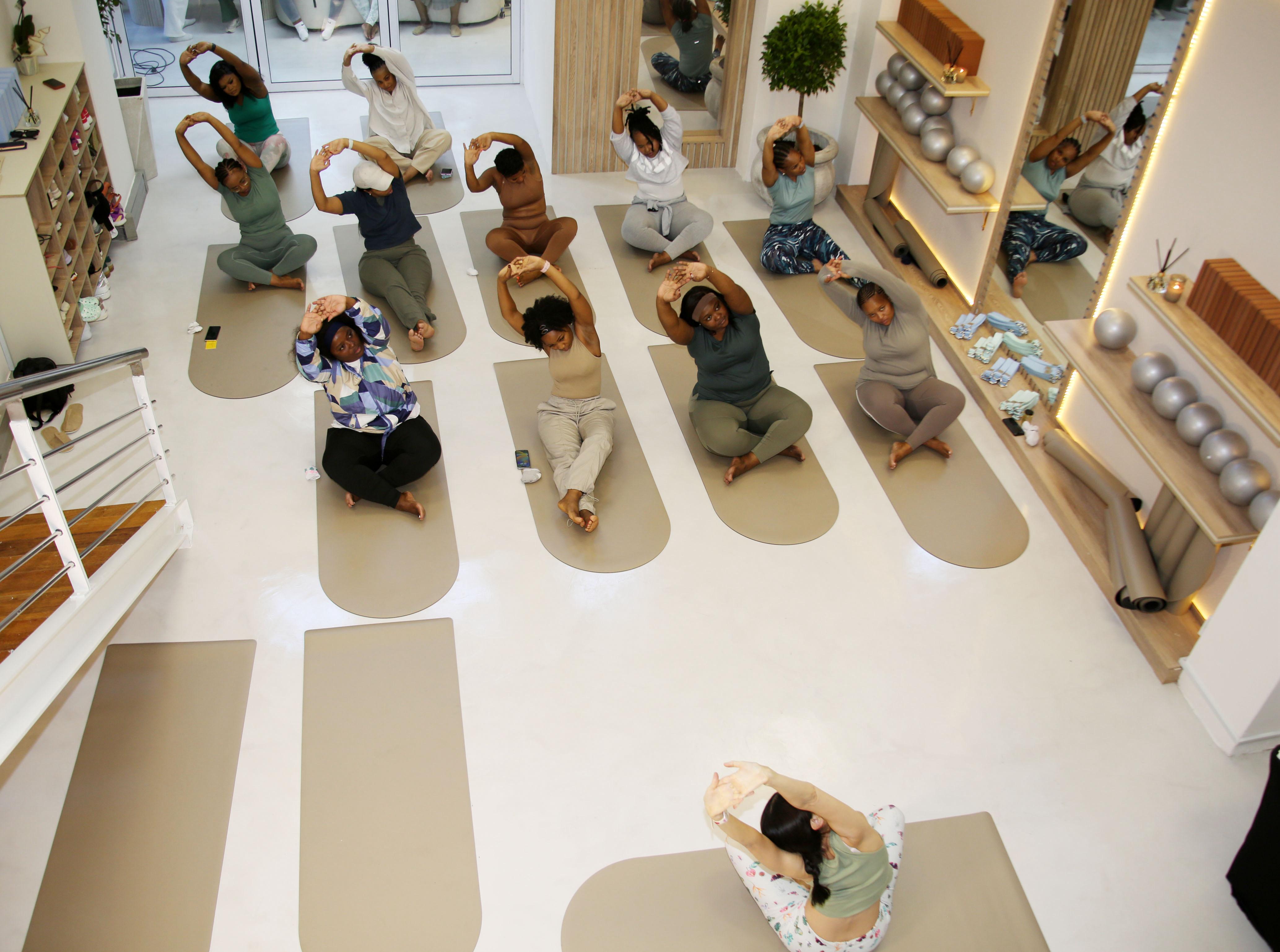
Spring and autumn have mild temperatures and suitable humidity, which are the "golden seasons" for Pilates training, but adjustments still need to be made according to seasonal characteristics. In spring, all things recover, and the human body's metabolism accelerates. The training intensity and diversity can be appropriately increased, introducing new movements (such as Pilates ball-assisted movements, resistance band training). Each training duration is controlled at 40-50 minutes, and practice 4-5 times a week, using the good body state to improve training effects; at the same time, people are prone to "spring sleepiness" in spring. The training time is recommended to be from 9-11 am or 4-6 pm, avoiding training within half an hour after meals to prevent drowsiness from affecting movement quality. In autumn, the climate is dry, and the human body is prone to water shortage. Attention should be paid to replenishing water before and after training, drinking 150-200 ml of water each time, and replenishing water in small amounts according to sweating during training; the temperature difference between day and night is large in autumn, so carry a lightweight jacket during training and put it on during training intervals to avoid catching cold; in terms of movement selection, flexibility training (such as spinal twist, side stretch) can be increased to relieve muscle tightness caused by autumn dryness.
Adjusting Pilates training in line with the seasons can not only make training safer and more comfortable, but also help the body better adapt to natural changes and improve overall health. No matter which season it is, it is necessary to pay attention to the body's feedback and flexibly adjust according to its own state, making Pilates truly a healthy sports method that fits life and conforms to nature.